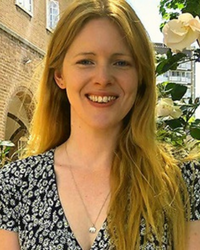
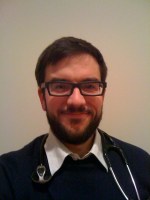
Dr Lisa Jamieson is a Professor and NHMRC Senior Research Fellow at the University of Adelaide's Australian Research Centre for Population Oral Health. She holds a NHMRC Senior Principal Research Fellowship and directs the Indigenous Oral Health Unit, a globally recognized research group. Her academic roles include Director of the Indigenous Oral Health Unit, Convenor of the Animal Ethics Committee (Medical), and Past President of the International Association of Dental Research’s Behavioral, Epidemiologic, and Health Services Research group. Dr Jamieson earned a PhD in Oral Health Disparities from the University of Otago School of Dentistry (2004), a Master of Community Dentistry (2000), and a Bachelor of Dental Surgery (1994). She has supervised numerous PhD and DClinDent students, including current advisees such as Eleanor Parker and Philip Nguyen. Her research focuses on Indigenous oral health equity, clinical trials, cohort studies, and surveillance. Notable achievements include establishing four research interventions for Indigenous Australians and co-developing the dental component of the Aboriginal Birth Cohort's Wave-3. She has published widely, with over 200 peer-reviewed articles, and serves on editorial boards of journals like BMC Public Health and Community Dentistry and Oral Epidemiology . Awards include the 2020 International Association of Dental Research Distinguished Scientist Award and NHMRC fellowships (2016, 2012, 2008). She has led major grants, including an NHMRC L2 Investigator Grant (2022–2026) for advancing Indigenous oral health research. Her work emphasizes policy contributions, equity advocacy, and culturally secure healthcare systems. Dr Jamieson has organized over 50 international conferences/symposia and co-authored special journal issues on Indigenous oral health methodologies. Her research addresses systemic inequities, food sovereignty, and antiracist health system design, with a focus on Indigenous-led methodologies and community partnerships.
Professor Shandy Li works at the School of Public Health and Preventive Medicine at Monash University, where she joined in March 2017. She currently serves as the Deputy Head of the Climate, Air Quality Research (CARE) Unit and the Group Leader of Children's Environmental Health Research, leading an interdisciplinary research team focused on human health in the context of global environmental change. Her work spans planetary health, environmental epidemiology, and child health, with significant contributions to understanding the impacts of air pollution, climate change, and extreme weather events on human health. Professor Li holds a PhD in Public Health (awarded in 2014) from The University of Queensland, a Master of Medical Sciences (awarded in 2010) from Peking University, and a Medical Degree (awarded in 2006) from Capital Medical University in China. Following her PhD, she completed a two-year postdoctoral training supported by a NHMRC Centre of Research Excellence at The University of Sydney. Her research interests focus on four primary areas: Planetary and Environmental Health (including Environmental Epidemiology, Air Pollution, Climate Change, and Exposure and Health Risk Assessment); Child Health (including Perinatal Health, Birth Outcomes, and Children's Respiratory Health); Public Health and Epidemiology (including Methodological Design and Global Health); and Biostatistics (including Quantitative Analysis and Spatiotemporal Modelling). Her recent publications analyze wildfire-related PM2.5 exposure, heat and humidity events, flood health impacts, and urban greenness effects, demonstrating her focus on climate-health interactions with global implications across multiple countries and territories. Dean's Award for Excellence in Research - Team Award (2024) FMNHS Early Career Researcher Fellows Publication Prize for Non-Laboratory Based Research (2021) SPHPM Early Career Excellence Award (2019) As a NHMRC Emerging Leadership (Level 2) Fellow, Professor Li has successfully secured competitive grants and currently leads multiple active projects including Real-Time Prediction of CVD Healthcare Utilization Driven by Environmental Stressors and Developing a Global Air Quality Alert System. She serves as Academic Editor of PLoS Climate and Associate Editor of BMC Public Health, and regularly reviews for prestigious journals and funding bodies. Professor Li leads the Children's Environmental Health Research group, maintaining extensive international collaborations that produce high-impact evidence informing healthcare policy. Her work has been adopted by governmental authorities to develop guidelines for preventing environmental health impacts, and she is currently accepting PhD students whose research aligns with UN Sustainable Development Goals in planetary health and environmental sustainability.
Neena Modi is a Professor of Neonatal Medicine and Vice-Dean (International) at Imperial College London's Faculty of Medicine. She is an Honorary Consultant in Neonatal Medicine at Chelsea and Westminster NHS Foundation Trust. Her roles include leading the Neonatal Data Analysis Unit, managing the UK National Neonatal Research Database (a国家级信息资产), and directing the National Institute for Health Research Imperial Biomedical Research Centre's 'Pregnancy and Prematurity' theme. She chairs the Scientific Committee of the International Paediatric Association and previously held leadership positions in the Royal College of Paediatrics and Child Health, British Medical Association, and UK Medical Women's Federation. Her research focuses on perinatal determinants of metabolic health, neonatal nutrition, and medical ethics. Key initiatives include establishing the UK Neonatal Collaborative and advocating for child health equity, publicly funded healthcare, and youth suffrage. She has authored influential reports like the 'Turning the Tide' review on strengthening UK child health research. Awards include Fellowship of the Academy of Medical Sciences and multiple honorary fellowships. Her work spans global health advocacy, clinical trial leadership (e.g., PREMFOOD, OPTI-PREM), and policy development. Current projects include the COLLABORATE precision-medicine trial and the Neonatal Update conference series. She also chairs NHS England's Infant, Children and Young People Patient Safety Expert Group and serves on ethics committees.
Karen Wynter is a Senior Research Fellow at the Department of Psychiatry, School of Clinical Sciences, Monash University. Previously, she worked at the Jean Hailes Research Unit (2011-2017) and Deakin University’s Faculty of Health in partnership with Western Health (2017-2023). Her expertise spans perinatal mental health, paternal involvement in healthcare, and health service accessibility. She holds degrees in Psychology, Applied Statistics, and Education from the Universities of Stellenbosch (South Africa) and Cambridge (UK). Prior academic roles include General Manager at SPSS South Africa before migrating to Australia in 2005. Research Focus: Antenatal/postnatal depression, fatigue postpartum, intimate partner relationships during parenthood, health literacy among new parents. Key Projects: Includes leadership on father-infant attachment studies and collaborations on cervical cancer screening in mental health populations. Contributions: Over 115 peer-reviewed publications and active roles in SDG-aligned research on health equity and well-being.
Professor Andrew Pickles is a leading academic at King's College London's Institute of Psychiatry, Psychology & Neuroscience (IoPPN), holding the position of Professor of Biostatistics and Psychological Methods. He leads the Department of Biostatistics & Health Informatics and directs KCL’s Clinical Trials Unit. His career has spanned UK and US universities, with key roles in Michael Rutter's MRC Unit and collaborations with institutions like the University of Manchester. Research focuses on statistical methods for developmental data, particularly in autism, neurodevelopment, and mental health. Notable contributions include the gllamm software for multilevel structural equation modeling and long-term studies like the PACT trial. Current projects include predicting outcomes for autistic children, the STRATA schizophrenia initiative, and the BIPP Study on preterm birth outcomes. Lifecourse Epidemiology Group : Specializes in longitudinal data methods and developmental change analysis. Mental Health Clinical Trial Group : Designs trials for mental health interventions. Psychometrics & Measurement Lab : Advances psychometric tool development and validation. His work has been recognized with prestigious awards, including Fellowship of the Academy of Medical Sciences and election to Academia Europaea. Recent studies address pandemic impacts on youth mental health, caregiver interventions in autism, and cognitive remediation for psychosis.
Mr. Isaac Owusu serves as a Senior Lecturer at the Centre for Disability and Rehabilitation Studies within the School of Public Health, College of Health Sciences at Kwame Nkrumah University of Science and Technology (KNUST) in Ghana. He is concurrently pursuing a PhD at KNUST's School of Public Health, focusing on assistive technology utilization among persons with physical disabilities. His academic credentials include: Master of Arts in Disability Studies from the University of Leeds, United Kingdom Bachelor of Arts in Geography and Resource Development from the University of Ghana Diploma in Education from the University of Education, Winneba Mr. Owusu's research spans Disability Studies, Rehabilitation, Assistive Technology, Accessibility, and Inclusive Education, emphasizing practical solutions for disability inclusion in Ghanaian contexts. His work addresses critical gaps in healthcare access, educational equity, and community participation for persons with disabilities across multiple regions of Ghana. Analysis of his publication record reveals consistent thematic focus on disability inclusion across health domains (vaccine acceptance, epilepsy management, mental health), educational settings (teacher challenges, vocational training, inclusive schooling), and environmental accessibility (tourist sites, community infrastructure). His methodological approach combines qualitative insights with quantitative epidemiological analysis, predominantly centered on Ghanaian populations with strong regional representation from Ashanti, Northern, and Western regions. Professionally, Mr. Owusu holds significant administrative roles as Examinations Officer for KNUST's School of Public Health and serves on the examinations committee of KNUST Institute of Distance Learning. He contributes to policy development through his consultancy work with Ghana's National Council for Persons with Disability, where he authored the livelihood section of their mainstreaming training document for local government assemblies. He maintains active community engagement as a board member of the KNUST Counselling Centre and through his membership in the Ashanti Regional branch of the Ghana Society for the Physically Disabled.
Melanie Smuk is a Reader in Medical Statistics at the Centre for Genomics and Child Health within Queen Mary University of London's Faculty of Medicine and Dentistry. Her academic career spans roles at the London School of Hygiene and Tropical Medicine (LSHTM) and the National Centre for Social Research (NatCen), with a focus on clinical trials, health data science, and global health. BSc in Mathematics MSc in Statistics (University College London) PhD in Missing Data Methodology (LSHTM) Melanie's research explores the interplay of infection, immunity, and malnutrition in HIV contexts, particularly in sub-Saharan Africa. She develops statistical methodologies for clinical trials and contributes to public health interventions addressing stunting and severe acute malnutrition in children. Her recent work includes statistical modeling for HIV treatment outcomes, birth weight prediction, and intersectionality in youth mental health. She leads studies on long-acting antiretroviral therapies and malnutrition interventions. At Queen Mary, Melanie collaborates with the Blizard Institute and Pragmatic Clinical Trials Unit, advancing research in medical statistics and global child health.
Catherine Moakes is a Senior Medical Statistician at the Birmingham Clinical Trials Unit within the College of Medical and Dental Sciences at the University of Birmingham. With over 42 research outputs documented between 2017 and 2025, she has established herself as a key contributor to numerous high-impact clinical trials across multiple medical specialties. Her research primarily focuses on randomized controlled trials methodology with expertise spanning vascular surgery (particularly the BASIL series investigating revascularization strategies for chronic limb-threatening ischemia), obstetrics/gynecology (including miscarriage management and prevention of preterm birth), and hepatology (focusing on variceal bleeding prevention in liver cirrhosis). Her work often bridges clinical medicine with advanced statistical methodology and health economic analysis. Dr. Moakes has led and contributed to major multicenter trials including the BASIL-2 and BASIL-3 trials for limb-threatening ischemia, the CALIBRE Trial for variceal bleeding prevention, and the C-STICH2 trial for cervical cerclage to prevent miscarriage. Her publications demonstrate consistent expertise in trial design, statistical analysis, and health economic evaluation across diverse medical fields. She currently serves as Principal Investigator for the iCAN project (2024-2029) funded by NIHR, which aims to integrate physical activity support into routine NHS breast cancer care. Her research portfolio reflects a strategic focus on translating evidence into clinical practice across multiple specialties. PRE-EMPT project (2025-2028): Preventing Preterm Birth through cervical length screening iCAN project (2024-2029): Integrating physical activity support into routine NHS breast cancer care REACT-AVB (2021-2027): Randomized controlled trial of early TIPS in acute variceal bleeding BABY PANDA study (2021-2025): BP response assessment by pregnancy antihypertensive drug treatment C-STICH2 (2018-2027): Rescue cervical cerclage to prevent miscarriage and preterm birth
Mikko Aaltonen is Professor of Criminology at the Department of Law, University of Eastern Finland's Faculty of Social Sciences and Business Administration. He leads multiple research initiatives including the Criminology Research Group and Empirical Legal Research Unit. His work focuses on register-based studies of crime patterns, juvenile delinquency, and criminal justice outcomes. Research interests span quantitative criminology, adverse childhood experiences, recidivism prevention, neurodegenerative disease impacts on criminal behavior, and cross-national crime comparisons. His projects investigate societal determinants of crime through large-scale data analysis. Recent publications (2021-2025) demonstrate methodological diversity including longitudinal cohort studies, registry linkages, and cross-national comparisons. Dominant themes include juvenile violence trajectories, prison population dynamics, neurocriminology, digital forensics, and reentry program effectiveness. Active projects include: ACElife - Adverse childhood experiences and prevention methods (2022-2028) Finnish Infrastructure for Register Research (FIRE) (2025-2029) Access to justice for marginalized groups in aging societies (2023-2027) He collaborates with the Neuroethics and Rights Research Group and House of Influence research collective.
Mikael Knip is a Research Professor at the University of Helsinki, affiliated with the HUS Children's and Adolescent Diseases unit. He leads the CAMM - Research Program for Clinical and Molecular Metabolism and supervises doctoral studies in Clinical Research. His research focuses on type 1 diabetes etiology, gut microbiome interactions, environmental determinants, and HLA genotype influences. Current projects include Microimmun (2025–2026), Pre-T1D Registry (2024–2025), and Sigrid Juselius Stiftelse (2023–2026) with total funding exceeding €396,000 Recent scientific contributions emphasize gut microbiome dynamics, dietary interventions, and biomarker discovery in prediabetic and diabetic youth Key Research Themes His work investigates microbial metabolites, immune cell epigenetics, and preventive therapies like the multi-CBV vaccine. Studies span longitudinal cohorts (TEDDY, EDIA), dietary fiber impacts, and proteomic profiling of disease markers. Scientific Awards Johnny Ludvigsson Prize (2010) Honorary Doctorate, University of Tartu (2012) Leadership & Collaboration Serves on editorial boards (e.g., The Lancet Diabetes & Endocrinology ) and leads international consortia including INNODIA and DIABIMMUNE. Supervises multiple doctoral candidates and collaborates with institutions like KU Leuven.
Tony Yuan, PhD, MS, is an Assistant Professor in the Department of Radiology at the Uniformed Services University of the Health Sciences (USUHS) School of Medicine and serves as Associate Director of Research for the Center for Biotechnology (4DBio3). With over 14 years of Department of Defense (DoD) research experience, he specializes in translating biomedical innovations for military health applications including warfighter-focused diagnostics and tissue engineering solutions. Education B.A. in Biology from University of Texas at Dallas M.S. in Biotechnology from Northwestern University Ph.D. in Biomedical Engineering from University of Texas at San Antonio/UT Health San Antonio Research Interests Dr. Yuan's work spans Molecular Biology, Organ-on-a-Chip systems, Tissue Engineering, and Organoid development with emphasis on environmental sensing and diagnostic biotechnology. His research addresses critical military health challenges including wound healing, infectious disease diagnostics, and psychosocial health of service members, integrating biomaterials science with clinical applications to develop deployable solutions for battlefield medicine. Publication Trends Recent publications (2020-2022) demonstrate interdisciplinary focus on military-relevant health issues: blast-induced neurotrauma modeling using cerebral organoids, SARS-CoV-2 diagnostic systems validation, and pregnancy outcomes in military women. Earlier work (2015-2018) established foundational expertise in electrospun biomaterials for wound healing and bacterial wound pathophysiology, reflecting consistent translation of engineering principles to military medical needs across neuroscience, infectious diseases, and regenerative medicine. Scientific Awards Texas Business Hall of Fame Scholar USUHS School of Medicine Impact Award Advising and Grants Dr. Yuan has built and led multiple DoD-funded research programs including the Center for Advanced Molecular Detection (CAMD) and Joint Integrative Clinical Medicine Directorate. He secures military health research grants spanning infectious disease diagnostics, PTSD, orthopedic innovations, and maternal health, while establishing partnerships with private industry and academic institutions to accelerate technology transition for warfighter needs. Labs and Teams As Associate Director of Research for 4DBio3 at USUHS, Dr. Yuan leads biotechnology development initiatives. Previously, he directed CAMD at the 59th Medical Wing and led the Joint Integrative Clinical Medicine Directorate, managing cross-functional teams focused on unconventional exposures research, diagnostic systems, and requirement-based military medical solutions through collaborations with Naval Medical Research Units and academic partners.
Natasha Housseine is a Research Fellow at the Department of Public Health, Global Health Section within the Faculty of Health and Medical Sciences at the University of Copenhagen. She concurrently serves as a Medical Resident in Obstetrics and Gynaecology at Aga Khan University Hospital in East Africa, maintaining dual appointments across institutions. Her educational background includes: Residency in Obstetrics and Gynaecology (2023-present) at Aga Khan University Hospital MSc Epidemiology and PhD (2015-2020) from Julius Center for Health Sciences and Primary Care, UMC Utrecht MBBS (2008-2013) from International Islamic University Malaysia O-level and A-level studies (2005-2007) at City of Norwich School, UK Dr. Housseine specializes in improving maternal healthcare in resource-limited settings, with particular expertise in stillbirth prevention and fetal monitoring. Her research integrates clinical practice with implementation science to develop context-appropriate solutions for high-volume maternity units. She emphasizes co-creation of interventions with local healthcare providers to ensure cultural relevance and sustainability. Her publication record demonstrates consistent focus on perinatal outcomes in East Africa, with recent work analyzing cesarean section timing, respectful maternity care measurement, and fetal movement monitoring in Tanzanian hospitals. This research cluster reveals strong methodological diversity spanning cohort studies, ethnographic analysis, and criterion-based audits. As Co-Principal Investigator of The PartoMa Project since 2014, she leads efforts to implement evidence-based clinical guidelines in Dar es Salaam maternity units. This multinational initiative provides mentorship in research methodologies and governance while addressing systemic challenges in resource-constrained childbirth care. Her clinical residency complements this research through direct patient care experience in Tanzanian referral hospitals.
Joseph D. Tucker is a Professor of Medicine at the University of North Carolina at Chapel Hill and Professor of Global Health at the London School of Hygiene and Tropical Medicine. He serves as Director of the UNC Project-China, and as a Working Group Member of TDR Global. His work bridges infectious disease medicine and social innovation, with a focus on developing novel approaches to improve global health outcomes through community engagement and open collaboration. Tucker received his B.A. from Swarthmore College (2000), MD from University of North Carolina at Chapel Hill (2004), completed Internal Medicine training at University of California San Francisco, Infectious Diseases fellowship at Massachusetts General Hospital/Brigham and Women's Hospital, earned an A.M. in Regional Studies East Asia from Harvard University (2010), and completed his PhD in Public Health from the London School of Hygiene and Tropical Medicine (2014) under supervision of Professors Rosanna Peeling and Heidi Larson. As an infectious diseases physician and social scientist, Dr. Tucker specializes in crowdsourcing and participatory research methods. His work focuses on applying open innovation approaches to address challenges in HIV, syphilis, and hepatitis prevention and treatment, with particular emphasis on China and Nigeria. He has pioneered the adaptation of hackathons to design health interventions (designathons) and developed pay-it-forward approaches to increase health service utilization. His research on syphilis burden in China helped inform China's national syphilis screening program. Dr. Tucker has led over 100 crowdsourcing open calls to improve health, with finalist ideas informing regional, national, and global guidelines. Dr. Tucker's recent publication portfolio demonstrates a consistent focus on applying innovative methodologies like crowdsourcing and pay-it-forward models to improve health service delivery across diverse contexts. His work spans multiple continents (particularly China, Nigeria, and the United States) and addresses key health challenges including HIV prevention, hepatitis vaccination, cervical cancer screening, and sexual health services. A notable trend is the increasing application of community engagement strategies to make health interventions more inclusive, particularly for marginalized populations such as older adults, people with disabilities, and sexual minorities. Crowdsourcing research identified by TDR in 2017 as one of the top global innovations Pay-it-forward research recognized at the 2018 World Health Summit Pay-it-forward research featured at the 2019 UNAIDS Health Innovation Exchange Pay-it-forward research awarded at the 2020 World Health Organization Re-Boot Challenge Mid-career Award from the National Institutes of Health for HIV research mentorship 1st place in WHO Re-Boot Health Challenge Dr. Tucker has secured significant research funding including NIH grants for "Enhancing Partner Services Among Men Who Have Sex With Men Living With HIV" and "Mentoring Multidisciplinary Global HIV Patient-Oriented Research." He has contributed to six World Health Organization guidelines or guidance documents, including leading the development of a TDR/SIHI/SESH Practical Guide on Crowdsourcing in Health and Health Research. He has served on multiple WHO committees in locations including Kampala, Nairobi, Geneva, Jakarta, New Delhi, and Tokyo. Dr. Tucker founded and leads the SESH (Social Engagement to Spur Health) initiative, a partnership joining individuals from the Southern Medical University Dermatology Hospital, the London School of Hygiene and Tropical Medicine, and the University of North Carolina-Project China. SESH serves as the Social Innovation in Health Initiative Hub for China and has organized numerous crowdsourcing open calls to develop public health interventions and community engagement practices. During the COVID-19 pandemic, he helped organize the Carolina Collective, a crowdsourcing open call to inform UNC Chapel Hill's fall semester planning. His team has developed multiple WHO-TDR guides on social innovation, crowdsourcing, public engagement, research mentorship, and participatory health research.
Dr Jess van den Heuvel serves as a GP Academic Registrar at the General Practice Clinical Unit within the University of Queensland Medical School, undertaking an academic post through the Royal Australian College of General Practitioners (RACGP). Her role integrates clinical practice with academic responsibilities across teaching and research domains. Her research critically examines weight stigma in maternity care through the nationwide "Body Positive Birth" initiative, focusing on general practitioner experiences. This work bridges obstetrics, public health, and social determinants of health, highlighting systemic biases in healthcare delivery. Dr van den Heuvel actively shapes medical education as a core contributor to the General Practice Rotation curriculum, designing assessments and examinations for medical students. Her pedagogical approach emphasizes real-world clinical application and ethical patient engagement within primary care settings.