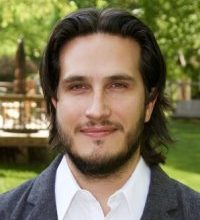
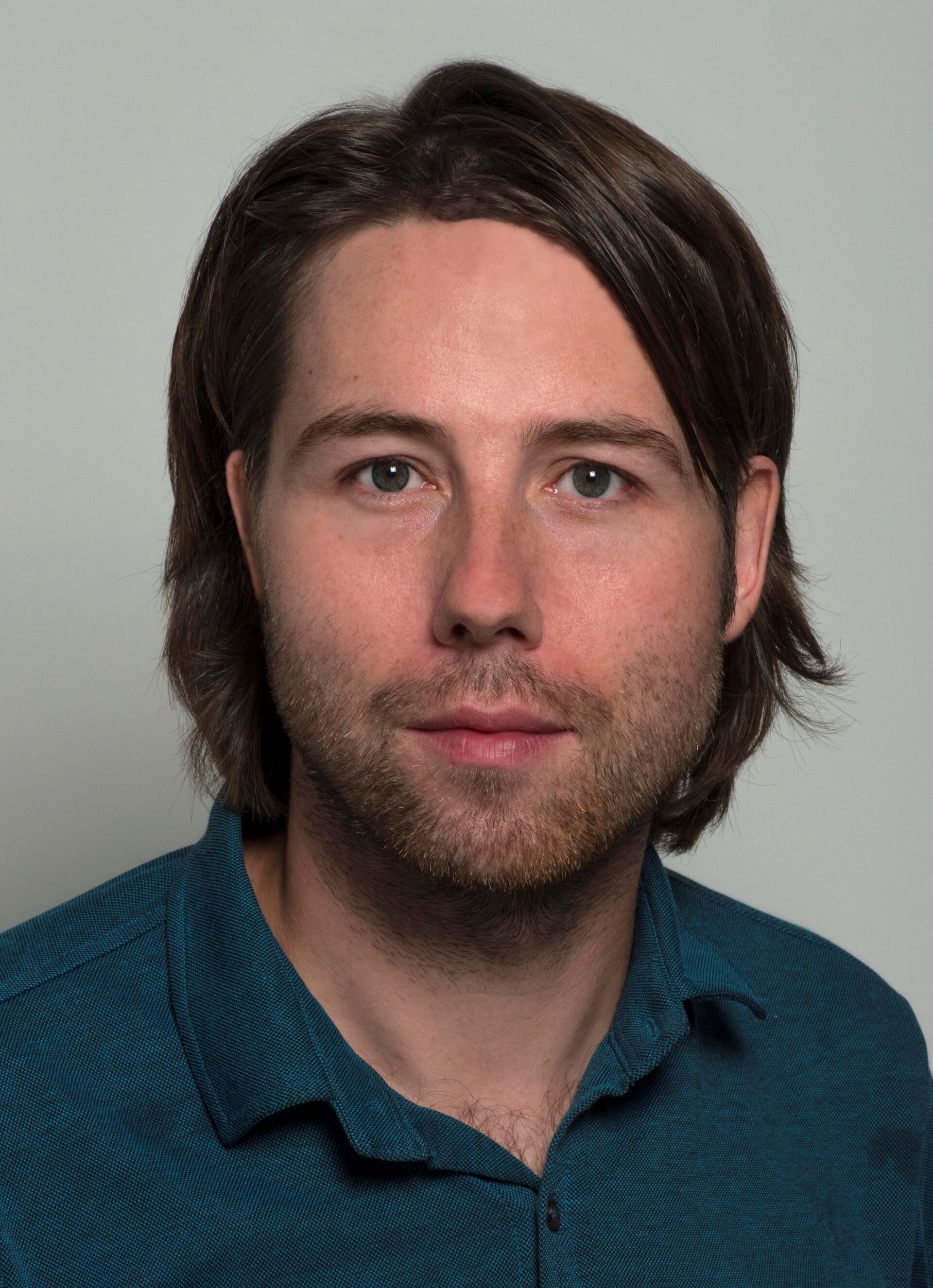
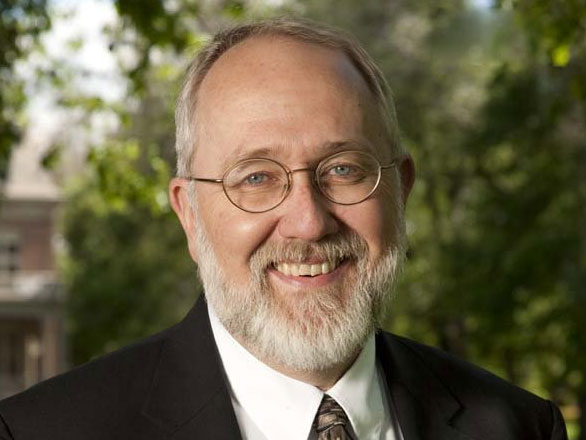
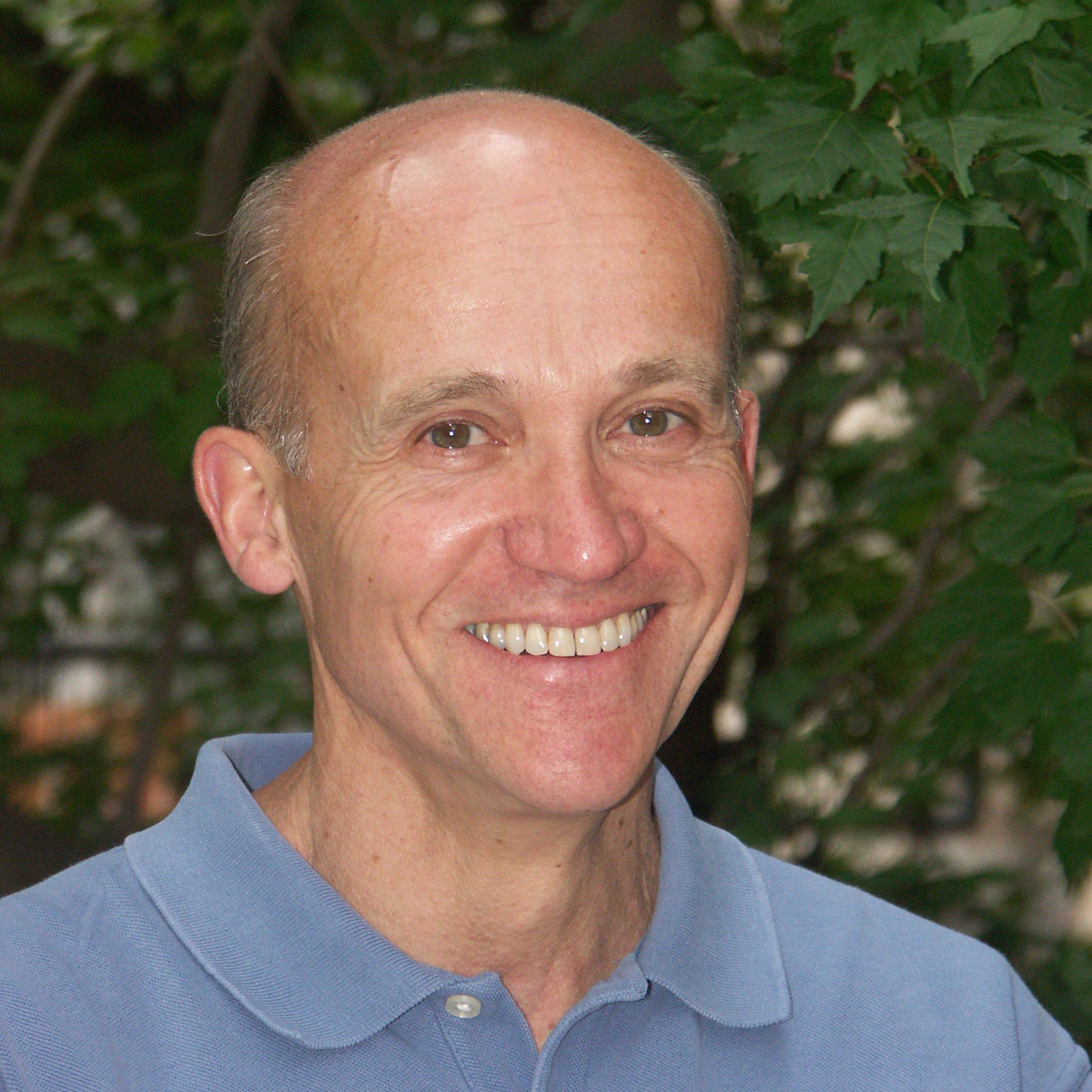
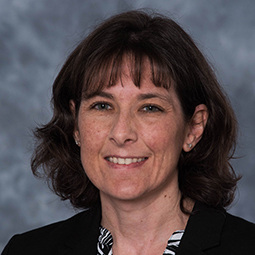
Dr. Donald Freytes is an Associate Professor in the Department of Biomedical Engineering at NC State University. He holds dual affiliations with NC State and the University of North Carolina at Chapel Hill. His research focuses on designing bioengineered tissues using pluripotent stem cells and extracellular matrix (ECM) scaffolds to restore tissue function. Key areas include leveraging ECM to guide stem cell differentiation, understanding macrophage interactions with engineered tissues, and developing biomaterials for vocal fold regeneration and cardiac repair. His work bridges cell biology, materials science, and clinical applications. Education includes a Ph.D. in Biomedical Engineering from the University of Pittsburgh, an M.S. from Purdue University, and a B.S. in Mechanical Engineering from Purdue. Research achievements include over 50 peer-reviewed publications and two significant awards: the 2012 TERMIS Young Investigator Travel Award and the 2010 NYSTEM Fellow-to-Faculty Award. His lab develops novel ECM-derived hydrogels, bioreactor systems for vocal fold engineering, and mathematical models to optimize bioprocessing. Current projects explore maternal aging models using uterine tissue constructs and inhalable ECM-based substrates for laryngeal repair.
Laura Elizabeth Christianson serves as an Adjunct Research Associate Professor in the Department of Crop Sciences within the College of Agricultural, Consumer and Environmental Sciences at the University of Illinois. Her research focuses on innovative solutions for agricultural water quality management, particularly through engineered denitrifying bioreactors. Her primary research interests center on bioremediation of agricultural drainage systems , with expertise in denitrifying woodchip bioreactors for nitrate removal. Dr. Christianson's work addresses critical challenges in water quality protection through Design and optimization of denitrifying bioreactors Hydraulic performance analysis of agricultural drainage systems Long-term monitoring of bioreactor structural integrity Integration of renewable energy into water treatment infrastructure Quantitative assessment of nutrient removal efficiency Her recent publications demonstrate a strong focus on practical applications of denitrifying bioreactors, with particular emphasis on nitrate removal efficiency, phosphorus dynamics, and system longevity. Current research trends show increasing integration of sustainability metrics including climate change mitigation potential and renewable energy applications. Dr. Christianson's scholarly impact is evidenced by her extensive publication record of 103 research outputs, including 82 articles, 10 conference contributions, and 4 review articles. Her work has been featured in high-impact journals such as the Journal of Environmental Quality and Ecological Engineering, with recent studies receiving attention from 6 news outlets and 9 social media platforms. She actively collaborates with researchers across multiple institutions, particularly with Reid David Christianson and international partners, focusing on field-scale implementation of conservation drainage practices. Her research program addresses critical gaps in agricultural water management through empirical studies of bioreactor performance under varying environmental conditions.
Wim Teughels is a Professor at KU Leuven (Faculty of Medicine) and head of the Periodontology & Oral Microbiology research group. He holds visiting professorships at Cukurova University (Turkey) and Malaya University (Malaysia). His expertise spans periodontology, oral microbiology, and biomaterials, with a focus on probiotics, antimicrobials, and biofilm management. He has authored over 200 peer-reviewed articles, 3 books, and serves as associate editor for Journal of Periodontal Research and Carranza's Clinical Periodontology . Education & Qualifications: Dental degree (2000) from Katholieke Universiteit Leuven (KULeuven) Specialist in Periodontology (2006) and PhD (2006), both from KULeuven European Federation of Periodontology (EFP) certificate in Periodontology Research Interests: His work centers on bacterial adhesion, microbial interactions, and novel therapies for oral diseases. Key areas include probiotic delivery systems, antimicrobial biomaterials, and regenerative therapies. Recent projects explore electrospun probiotic encapsulation and zinc-infused polymers for dental implants. Recent Publications Trends: Recent work emphasizes probiotics in oral health, antimicrobial strategies , and biofilm dynamics . Notable contributions include systematic reviews on platelet concentrates in alveolar ridge preservation and consensus reports on periodontal diagnostic technologies. Professional Roles: Co-director, EFP Post-graduate Education Committee Advisor, EAO Consensus Conference Committee ITI University Campus Ambassador Member of multiple academic councils and committees at KU Leuven Labs & Collaborations: Leads the Periodontology & Oral Microbiology research group, collaborating on projects funded by EU grants (e.g., MICROTUNe bioreactor platform) and industry partnerships. Active in developing novel biomaterials and probiotic therapies for peri-implant infections.
Mathias Busek is a Researcher at the Hybrid Technology Hub within the University of Oslo's Faculty of Medicine. His work focuses on developing advanced microfluidic systems including organ-on-chip technologies, hypoxia modeling platforms, and 3D bioprinting applications. Dr. Busek designs pneumatically actuated microsystems and develops computational models for microfluidic network optimization. His research enables precise control of cellular microenvironments for applications in drug testing and disease modeling. Current projects investigate metabolic crosstalk between organs using pump-less recirculating platforms and develop analytical systems for organoid medium analysis compliant with FDA standards. Busek's publications demonstrate consistent innovation in microengineering approaches for biological applications, with recent advances in 3D-printed tooling for microfluidics and stem cell-derived tissue models. His work bridges engineering precision with biological complexity to create physiologically relevant in vitro systems. Major Scientific Awards: Fraunhofer Institute Award for Innovative Product Development (2017) European EARTO Innovation Award, 3rd Place (2018) Scientia II Fellowship - Marie Curie Co-fund Project (2019) Teaching & Supervision: Conducts practical training in microfluidics and lectures on organ-on-chip technology. No specific student advisees are named in source materials.
Prof. Sara Kleindienst is a Professor and Head of the Department of Environmental Microbiology at the University of Stuttgart's Institute of Sanitary Engineering, Water Quality, and Solid Waste Management. Her research focuses on microbial degradation processes in environmental systems, including oil bioremediation, glyphosate dynamics, and nitrate transformation. She holds an ERC Starting Grant for her MICROSURF project investigating surfactant impacts on microorganisms. Education: Bachelor's in Biology, University of Oldenburg PhD (2012), University of Bremen, on hydrocarbon-degrading sulfate-reducing bacteria Prior Roles: Postdoc, University of Georgia (Deepwater Horizon oil spill research) Junior Research Group Leader, University of Tübingen (2015–2017) Junior Professor of Microbial Ecology, University of Tübingen (2017–2022) Her research interests span microbial ecology in marine and terrestrial environments, bioremediation strategies, and the environmental impacts of pollutants like glyphosate and oil. She has been honored with prestigious awards such as the ERC Starting Grant and Emmy Noether Program funding. Her lab explores interdisciplinary approaches to environmental challenges, including surfactant effects on microbial communities and greenhouse gas emissions. Collaborations focus on bridging microbial ecology with engineering solutions for sustainable environmental protection.
Antonius van Maris is a Professor of Biochemical Technology at KTH Royal Institute of Technology. His research focuses on industrial biotechnology as a sustainable alternative to fossil-based fuel and chemical production, aiming to reduce greenhouse gas emissions and oil dependency. He specializes in optimizing yeast-based biotechnological processes for improved economy, robustness, and flexibility, and explores the potential of Clostridium thermocellum for converting agricultural residues into fuels and chemicals. His research interests span microbial metabolism, enzyme engineering, bioreactor design, and metabolic modeling, with emphasis on sustainable bioprocesses. Recent work reveals advances in extremophile applications, metabolic pathway regulation, and genome-scale modeling to enhance bioproduction efficiency.
Nicholas A. Kurniawan is an Associate Professor in the Soft Tissue Engineering and Mechanobiology group at the Department of Biomedical Engineering, Eindhoven University of Technology (TU/e). He is also a member of the Institute for Complex Molecular Systems (ICMS). His research focuses on understanding cellular behavior in different physical environments through the creation of precisely controlled biomimetic cellular environments. He received his PhD in 2012 from the National University of Singapore, where he studied the role of matrix viscoelasticity in cancer metastasis. Following this, he conducted postdoctoral research as a Marie Curie Fellow at AMOLF in Amsterdam, investigating hierarchical structure-property relations in the cytoskeleton and extracellular matrices. In 2015, he joined TU/e to establish his research group. Dr. Kurniawan's research is highly interdisciplinary, spanning biophysics, cell biology, protein polymers, biomechanics, and soft matter. His work centers on creating biomimetic cellular environments at multiple scales—from 2D micropatterns to 3D extracellular matrices and bioreactors—where physical and mechanical cues to cells can be precisely controlled. These in vitro platforms enable systematic breakdown of the origins of basic cellular behavior, such as orientation, migration, and differentiation. The overarching goal is to apply these insights to direct cell response in vivo, for example to promote tissue regeneration or slow down disease progression. His fingerprint includes significant contributions to Tissue Engineering (100%), Fibroblast research (70%), Rigidity studies (63%), Multiscale Engineering (63%), Cell Function (55%), Biological Tissue Engineering (52%), Microenvironments (49%), and In Vitro studies (46%). His recent publications (2023-2025) demonstrate a strong focus on cellular mechanobiology, particularly how substrate properties (stiffness, topography, adhesion) influence fibroblast behavior. There is growing emphasis on dynamic and photoresponsive biomaterials, organoid engineering, and computational approaches to tissue analysis. His work shows a clear trajectory toward increasingly sophisticated control of cellular microenvironments and deeper understanding of how physical cues translate to cellular responses. ERC Starting Grant for 'Control cell communication and tissue regeneration' (2019) Dr. Kurniawan has supervised 34 students and research projects. He led the 'Advaessel' research project (2020-2021) focused on advanced materials processing for regenerating blood vessels. His research is supported by significant funding that enables cutting-edge investigations into cellular mechanobiology and tissue engineering. The Soft Tissue Engineering and Mechanobiology group employs a highly collaborative approach, working with researchers across disciplines to develop biomimetic cellular environments that bridge fundamental science with clinical applications in regenerative medicine. The research group maintains state-of-the-art facilities for biomaterial fabrication, cell culture, and mechanical characterization. They employ advanced techniques including UV-photopatterning, two-photon printing, and dynamic substrate topographies to create precisely controlled cellular microenvironments. Their work bridges fundamental cell biology with translational applications in cardiovascular tissue regeneration and disease modeling.
Fatima Anjum is a Researcher at the University of Bath, affiliated with the Department of Chemical Engineering and contributing to the Centre for Bioengineering & Biomedical Technologies (CBio) and the Centre for Integrated Materials, Processes & Structures (IMPS). She holds a PhD in Chemical Engineering from Technische Universität Dortmund (2020–2024), an MSc in Membrane Engineering from Université de Montpellier (2018–2020), and a BEng in Chemical Engineering from the University of Engineering and Technology, Lahore (2013–2017). Her research focuses on membrane processes , pharmaceutical separations , and bioseparations , with an emphasis on optimizing downstream purification techniques using membrane technology. Recent work includes developing injectable drug suspensions via bottom-up membrane methods and advancing antisolvent crystallization processes with polymer effects. Her publications (2019–2024) explore anaerobic membrane bioreactors for wastewater treatment and novel membrane-based solvent exchange systems for API purification. Collaborations span chemical, pharmaceutical, and environmental engineering domains. No awards or grants are explicitly listed in the provided data.
Parisa Biniaz is a Doctor of Philosophy (PhD) student and Assistant Lecturer in the Department of Chemical and Biological Engineering at Monash University. Her research focuses on sustainable energy solutions, advanced materials science, and environmental engineering. Key areas include the recovery of critical metals from lithium-ion batteries, development of high-performance energy storage systems (e.g., zinc-air batteries), and optimization of membrane technologies for water treatment and biofuel production. Her academic profile reflects expertise in chemical engineering processes, including mathematical modeling of industrial reactors and catalyst immobilization techniques. She actively contributes to interdisciplinary projects, such as integrating biomass into wastewater treatment systems and exploring clean ammonia as a carbon-free fuel for power generation. Parisa’s work emphasizes innovation in recycling and waste valorization, addressing global challenges in resource efficiency and environmental sustainability. She is affiliated with Monash University’s Clayton campus and maintains professional networks via LinkedIn and ResearchGate.
Carl Nesbitt is an Associate Professor and the Goldcorp Endowed Chair in Minerals Engineering at the University of Nevada, Reno (UNR), within the Mackay School of Earth Sciences and Engineering. He holds a PhD in Metallurgical Engineering from UNR (1990) and prior degrees from the University of Michigan and UNR. His career spans over three decades with roles at Michigan Technological University and industry positions like Metallurgical Engineer at Anaconda Minerals Company. Research focuses on activated carbon materials, nuclear materials recycling, hydrometallurgy, and environmental remediation. He leads projects funded by U.S. DoE, including spent nuclear fuel recycling and corrosion studies for GenIV reactors. His patented innovations include Reticle Carbon (for water treatment/energy storage) and ferric ion generation systems (SAAB-FIG). Award-winning patents include U.S. Patent 6,350,520 (2002) for amorphous carbon materials and U.S. Patent 6,043,022 (2000) for ferric ion generation. Collaborations span industries like Newmont, Dow Corning, and Ferritech Inc. He advises on global energy and mineral market strategies through Altos Management Partners. Education includes a PhD (UNR 1990), MSE Chemical Engineering (University of Michigan 1989), and MS Metallurgical Engineering (UNR 1985). His work bridges academia and industry through startups like Reticle Inc. (carbon materials) and Ferritech Inc. (ferric ion tech).
Dr. Dilara Perver is a Lecturer and Jr. Group Leader at ETH Zürich, affiliated with the Department of Health Sciences and Technology and the Institute of Translational Medicine. She holds a Dr. Sc. ETH Zürich, complemented by M.Sc. degrees in Biology and Chemistry from Hacettepe University (Turkey). Her research focuses on ex-vivo technologies for immuno-cellular therapies targeting hematological malignancies, predictive microphysiological models for leukemia/lymphoma, and development of bioreactors for stem cell expansion. She has authored numerous peer-reviewed articles and book chapters, with a particular emphasis on bone marrow niche engineering and extracellular matrix dynamics. Key professional milestones include a postdoctoral role at ETH Zürich, an internship at Novartis in CAR-T cell therapy development, and leadership roles in academic associations like AVETH and the Scientific Staff Association of Health Sciences and Technology. She has secured grants such as the TÜBİTAK Doctoral Research Grant (USD 120,000) and the National Graduate Student Prestige Scholarship. Her work bridges biomaterials, stem cell biology, and clinical translation, with implications for regenerative medicine and oncology. Dr. Perver is actively involved in teaching and science communication, having completed training in project management, entrepreneurship, and clinical trial design. Her contributions to interdisciplinary research and innovation are further highlighted by her memberships in societies like the International Society for Stem Cell Research (ISSCR) and the European Society for Blood and Marrow Transplantation (EBMT).
James John Bisogni is a Professor in the Department of Environmental Engineering at Cornell University, joining the faculty in 1972. His research focuses on applying chemical and physical principles to water and wastewater treatment, including aquaculture water quality, lead/copper control in water systems, and biochar's role in nutrient absorption. He has held visiting roles, including Visiting Associate Professor at MIT (1982). His teaching emphasizes physical/chemical processes in natural and engineered systems. Education: B.S., Civil Engineering, Lehigh University (1968) M.S., Civil Engineering, Cornell University (1970) Ph.D., Civil Engineering, Cornell University (1973) Research Interests: Dr. Bisogni’s work spans water quality modeling, anaerobic wastewater treatment, and environmental engineering solutions for sustainable systems. His recent studies include biochar’s ability to absorb nitrate and phosphate, and ammonia speciation in anaerobic digesters. Awards: 2009 Daniel M. Lazar Excellence in Teaching Award 1997 Outstanding Teaching Recognition (AISES) 1987 Chi Epsilon Professor of the Year Service and Roles: He has served on committees such as the Scientific Advisory Committee for Cornell’s Chemical and Radiation Disposal Sites, College of Engineering Grievance Committee, and is a faculty advisor for Chi Epsilon.
Xufei Yang is an Assistant Professor in the Department of Agricultural and Biosystems Engineering at South Dakota State University (SDSU), concurrently serving as an SDSU Extension Environmental Quality Engineer. His work bridges environmental engineering and agricultural systems, focusing on air quality solutions for livestock operations and precision agriculture innovations. He teaches Agricultural Waste Management and leads research in bioaerosol mitigation, sustainable waste-to-resource systems, and cyberinfrastructure development for smart farming. Education: Ph.D., University of Illinois; M.S. & B.S., Tsinghua University. His professional experience includes roles in environmental management outreach targeting South Dakota livestock producers, emphasizing practical solutions for reducing emissions and optimizing resource use. Research Interests include: Development of cost-effective air quality monitoring technologies for agricultural environments Optimization of algal-based bioremediation systems using photobioreactors Cybersecurity frameworks for agricultural IoT systems Wastewater nutrient recovery and energy-efficient treatment processes Grant Activities: Current projects include a $500k FFAR-funded study on bioaerosol characterization in swine facilities, a $250k SD Cyber-Ag-Law initiative for LPWAN-based precision systems, and multiple industry collaborations addressing feed waste reduction and soybean byproduct utilization. Past work includes noise exposure studies in forestry operations and UAV-based methane monitoring systems. Labs/Teams: Leads SDSU's Agricultural Environment and Energy Lab, collaborating with interdisciplinary teams on biofilter design, microbial fuel cell sensors, and smart agriculture infrastructure. Active in extension programs delivering environmental management training to producers across South Dakota.
Stephen Richardson is a Senior Lecturer in Cell and Tissue Engineering at The University of Manchester, within the School of Biological Sciences and Division of Cell Matrix Biology & Regenerative Medicine. He leads undergraduate placements and co-directs the Advanced Materials in Medicine initiative. His research focuses on intervertebral disc degeneration, stem cell therapies, and biomaterials, with expertise in tissue engineering and regenerative medicine. He has supervised over 20 PhD students and holds leadership roles in global societies like TERMIS and TCES. Awards include the ORS Spine Section Best Podium Award (2017) and the Northwest Young Biotechnologist of the Year (2006). His work spans biomaterial design, biofabrication, and clinical translation, contributing to UN Sustainable Development Goals related to health and innovation. Education: BSc (HONS) Biotechnology, Liverpool John Moores University (1998) PhD in Chondrocyte Behavior, University of Liverpool (2002) Fellow of the Higher Education Academy (2016) Research Interests: Intervertebral disc cell subpopulation dynamics during development and degeneration iPSC modeling and stem cell-based therapies for disc regeneration Biomaterials and biofabrication for tissue analogues Musculoskeletal tissue engineering (meniscus and intervertebral disc) His lab employs -omics technologies (RNASeq, proteomics) and CRISPR tools to study cell fate and disease mechanisms, paired with bioreactor and biomaterial studies. Awards and Activities: Global Treasurer of TERMIS (2024–present) Programme Chair for TERMIS EU 2023 Conference Member of Versus Arthritis Musculoskeletal Research Advisory Group External examiner for Cardiff University’s Tissue Engineering MSc Grants and Collaborations: MRC-funded postdoc Dr Christabel Dube studying disc cell transcriptomics WT ISSF-funded Dr Samuel Moxon developing biomimetic analogues EPSRC and BBSRC grants for biofabrication platforms and aging studies His lab actively collaborates on public engagement, including the Re-Gen-X website and outreach programs, and contributes to policy through scientific advocacy initiatives.
Dr. Nicole D. Berge is an Associate Professor in the Department of Civil and Environmental Engineering at the University of South Carolina, serving as Undergraduate Program Director and Society of Women Engineers Faculty Advisor. She holds a PhD from the University of Central Florida (2006), and BS/MS degrees from the University of South Carolina (1999/2001). Her research focuses on sustainable waste management, including hydrothermal carbonization (HTC), leachate treatment, and nanomaterial behavior in landfills. She explores waste-to-energy conversion, carbon sequestration, and resource recovery through innovative technologies. Education: Ph.D., Environmental Engineering, University of Central Florida (2006) M.S., Civil and Environmental Engineering, University of South Carolina (2001) B.S., Civil and Environmental Engineering, University of South Carolina (1999) Research Interests: Her work addresses sustainable waste treatment techniques, including HTC for energy generation, fate of engineered nanomaterials, and leachate treatment processes. She also focuses on life cycle assessment to evaluate environmental impacts of waste management systems. Her lab develops new protocols for waste conversion and groundwater remediation. Publications: Her recent work emphasizes hydrothermal carbonization applications, leachate management, and nanomaterial interactions in waste environments. Key topics include food waste recycling, siloxane removal from landfill gas, and nutrient recovery from sewage sludge. Labs/Teams: The Berge Laboratory leads interdisciplinary research on sustainable waste solutions, integrating chemical, biological, and engineering approaches. Collaborations include international projects on circular economy applications of wet wastes. Advising/Grants: She advises undergraduate programs and has secured grants for projects like US-China collaborative research on hydrothermal carbonization. Her work bridges academic research with real-world waste management challenges.