

معرفی
Nicholas A. Kurniawan is an Associate Professor in the Soft Tissue Engineering and Mechanobiology group at the Department of Biomedical Engineering, Eindhoven University of Technology (TU/e). He is also a member of the Institute for Complex Molecular Systems (ICMS). His research focuses on understanding cellular behavior in different physical environments through the creation of precisely controlled biomimetic cellular environments.
He received his PhD in 2012 from the National University of Singapore, where he studied the role of matrix viscoelasticity in cancer metastasis. Following this, he conducted postdoctoral research as a Marie Curie Fellow at AMOLF in Amsterdam, investigating hierarchical structure-property relations in the cytoskeleton and extracellular matrices. In 2015, he joined TU/e to establish his research group.
Dr. Kurniawan's research is highly interdisciplinary, spanning biophysics, cell biology, protein polymers, biomechanics, and soft matter. His work centers on creating biomimetic cellular environments at multiple scales—from 2D micropatterns to 3D extracellular matrices and bioreactors—where physical and mechanical cues to cells can be precisely controlled. These in vitro platforms enable systematic breakdown of the origins of basic cellular behavior, such as orientation, migration, and differentiation. The overarching goal is to apply these insights to direct cell response in vivo, for example to promote tissue regeneration or slow down disease progression. His fingerprint includes significant contributions to Tissue Engineering (100%), Fibroblast research (70%), Rigidity studies (63%), Multiscale Engineering (63%), Cell Function (55%), Biological Tissue Engineering (52%), Microenvironments (49%), and In Vitro studies (46%).
His recent publications (2023-2025) demonstrate a strong focus on cellular mechanobiology, particularly how substrate properties (stiffness, topography, adhesion) influence fibroblast behavior. There is growing emphasis on dynamic and photoresponsive biomaterials, organoid engineering, and computational approaches to tissue analysis. His work shows a clear trajectory toward increasingly sophisticated control of cellular microenvironments and deeper understanding of how physical cues translate to cellular responses.
- ERC Starting Grant for 'Control cell communication and tissue regeneration' (2019)
Dr. Kurniawan has supervised 34 students and research projects. He led the 'Advaessel' research project (2020-2021) focused on advanced materials processing for regenerating blood vessels. His research is supported by significant funding that enables cutting-edge investigations into cellular mechanobiology and tissue engineering. The Soft Tissue Engineering and Mechanobiology group employs a highly collaborative approach, working with researchers across disciplines to develop biomimetic cellular environments that bridge fundamental science with clinical applications in regenerative medicine.
The research group maintains state-of-the-art facilities for biomaterial fabrication, cell culture, and mechanical characterization. They employ advanced techniques including UV-photopatterning, two-photon printing, and dynamic substrate topographies to create precisely controlled cellular microenvironments. Their work bridges fundamental cell biology with translational applications in cardiovascular tissue regeneration and disease modeling.
Nicholas A. Kurniawan در سایتهای دیگر
جستوجوهای مرتبط
شاید اینها هم برایتان مناسب باشند
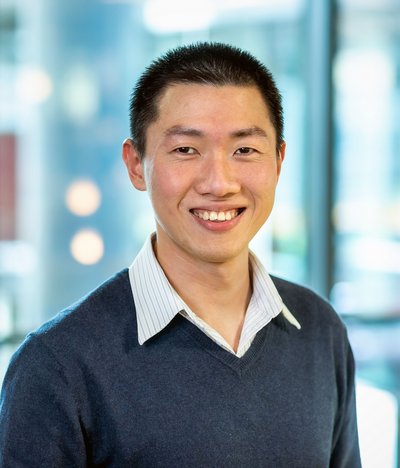 Nicholas KurniawanEindhoven University of Technology · دانشیار
- BBart GW GroenenEindhoven University of Technology · پژوهشگر ارشد
- BBart G. W. GroenenEindhoven University of Technology · پژوهشگر
- CCarlijn V.C. BoutenEindhoven University of Technology · استاد
- CCarlijn VC BoutenEindhoven University of Technology · استاد
 April KloxinUniversity of Delaware · استاد