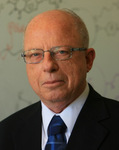
Ioanna Melaمشاهده پروفایل
استادیار
Dr. Ioanna Mela serves as an Assistant Professor in the Department of Pharmacology at the University of Cambridge and holds an Official Fellowship in Medicine and Natural Sciences at Emmanuel College. As a Royal Society University Research Fellow, she leads innovative research at the intersection of DNA nanotechnology and antimicrobial therapeutics, with her work featured in prominent outlets like New Scientist and CGTN Razor. Her academic journey spans chemical engineering and pharmacological research, establishing her as a key contributor to nanoscale biomedical solutions. Her educational foundation includes: Bachelor's degree in Chemical Engineering from the National Technical University of Athens PhD in Pharmacology from the University of Cambridge under Professor Robert Henderson Dr. Mela's research centers on DNA nanotechnology for antimicrobial applications, specifically developing DNA nanostructures optimized for bacterial targeting and aptamer-based anchoring systems. Her laboratory employs Atomic Force Microscopy for nanostructure characterization and SELEX for aptamer selection, bridging nanotechnology with infectious disease treatment. This work addresses critical antimicrobial resistance challenges through precision engineering of delivery vehicles. Analysis of her recent publications reveals a dual focus: advancing DNA-based antimicrobial delivery systems against pathogens like Pseudomonas aeruginosa, and investigating protein aggregation mechanisms in neurodegenerative diseases. Her research consistently integrates high-resolution imaging techniques, particularly correlative microscopy platforms, to study molecular interactions at unprecedented resolution across both infectious disease and neuroscience domains. Her scientific recognition includes: Royal Society University Research Fellowship Dr. Mela teaches the 'Mechanisms of Drug Action' course for second-year Medical and Veterinary Medical undergraduates while directing her research laboratory. Her Royal Society Fellowship provides substantial research support, enabling exploration of DNA nanotechnology applications. She actively mentors students in interdisciplinary research combining pharmacology, nanotechnology, and microbiology. Her laboratory operates advanced correlative microscopy facilities including high-speed Atomic Force Microscopy and super-resolution platforms. The research team collaborates across pharmacology, chemical engineering, and biotechnology domains to develop next-generation antimicrobial strategies and fundamental molecular characterization techniques.