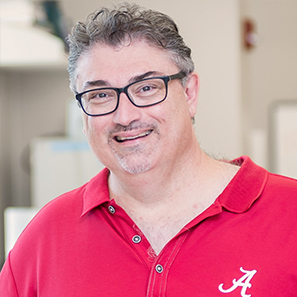
Dr. Guy A. Caldwell is a University Distinguished Research Professor in the Department of Biological Sciences at the University of Alabama. His research focuses on neurodegenerative diseases, particularly Parkinson’s, Alzheimer’s, and dystonia, using the model organism C. elegans . He holds a PhD in Cell and Molecular Biology from the University of Tennessee (1993) and completed postdoctoral training at Columbia University. His laboratory investigates cellular mechanisms underlying neuronal dysfunction, leveraging C. elegans for genetic, genomic, and drug screening strategies. Key research areas include mitochondrial dynamics, protein aggregation, and environmental neurotoxicity. Funding sources include NIH, NSF, Howard Hughes Medical Institute, and industry partnerships. The lab has contributed to Nobel Prize-winning work through C. elegans research. Dr. Caldwell advises graduate and undergraduate students, with alumni advancing to prestigious institutions like MIT, Harvard, and industry roles at Genentech and Pfizer. The lab’s website, caldwelllab.ua.edu , provides further details on ongoing projects and publications.
Laura Alonso is the E. Hugh Luckey Distinguished Professor of Medicine and Professor of Medicine at Weill Cornell Medical College, Cornell University. Her primary affiliation is with the Department of Medicine, focusing on diabetes, endocrinology, and metabolic disorders. She holds dual degrees: an M.D. from the University of Pennsylvania School of Medicine (1998) and a B.A. from Harvard College (1993). Her research emphasizes pancreatic β-cell biology, endoplasmic reticulum (ER) stress pathways, and diabetes management strategies. Notable areas include the role of adipose tissue in metabolic dysfunction, telemedicine applications in diabetes care, and mechanisms of β-cell proliferation and survival. Her recent work explores interventions like carbohydrates-last food ordering to improve glycemic control and the impact of SARS-CoV-2 on adipose tissue and insulin resistance during acute infections. Dr. Alonso leads NIH-funded grants, including 'Research Training in Endocrinology and Metabolism' (2023–2028) and 'Role of Polyamines and Hypusine in Nutrient-Induced Beta-Cell Growth' (2020–2025). Her publications span over three decades, with breakthroughs in β-cell signaling (e.g., CDK4, ATF6 pathways) and clinical trials like the ergocalciferol treatment for type 1 diabetes. Collaborations include work with Eli Lilly and Company, reflecting her translational focus. She is board-certified in Internal Medicine and Endocrinology, Diabetes, and Metabolism, with clinical expertise in diabetes subtypes, prediabetes, and metabolic disorders.
Prof. Uri Ashery is a Professor at the Sagol School of Neuroscience and the George S. Wise Faculty of Life Sciences at Tel-Aviv University. His research focuses on understanding synaptic plasticity in health and disease, employing multidisciplinary approaches including electrophysiology, super-resolution microscopy, and computational modeling. His lab investigates Alzheimer’s and Parkinson’s diseases, exploring mechanisms of synaptic dysfunction and therapeutic interventions like hyperbaric oxygen therapy (HBOT). He has advised numerous PhD, M.Sc., and postdoctoral researchers, contributing to over 80 publications. Education: PhD from the Hebrew University of Jerusalem Research interests span synaptic plasticity, neuronal network activity, and molecular mechanisms of neurodegenerative diseases. His lab uses advanced imaging (STORM, STED, TIRF) and electrophysiological techniques to study hippocampal synapses and alpha-synuclein aggregation in Parkinson’s. Current projects include developing biomarkers using super-resolution microscopy and exploring HBOT’s effects on Alzheimer’s vascular pathology. Recent articles highlight breakthroughs in HBOT’s vascular benefits, alpha-synuclein aggregation mitigation, and novel platforms like the Super-Resolution-Chip for 3D tissue studies. His work bridges basic science and clinical applications, with patents on brain-targeted liposomal therapies. Labs/Teams: Ashery Lab focuses on translational neuroscience with collaborations in biophysics and neurology.
Dr. Mariana Vargas-Caballero is an Associate Professor of Neuroscience at the University of Southampton, Faculty of Natural and Environmental Sciences, Department of Biological Sciences. She has been at the University of Southampton since 2012, progressing from Research Career Track Lecturer to Lecturer in Neuroscience (2017-2022), and currently serving as Associate Professor since 2022. Her research is centered at the intersection of basic neuroscience and clinical applications for neurodegenerative diseases. Her academic qualifications include: PhD in Neuroscience (2005), Department of Physiology, University of Cambridge, UK MPhil in Biological Sciences (2001), Department of Physiology, University of Cambridge, UK BSc in Biology, Honours (1999), Universidad Autonoma del Estado de Mexico (UAEM), Mexico Dr. Vargas-Caballero's research focuses on understanding neuronal communication in the brain and how it is affected in neurological disease, particularly Alzheimer's disease and other neurodegenerative conditions. Her laboratory investigates synaptic dysfunction, tau protein pathology, neuroinflammation, and the mechanisms underlying cognitive decline. She employs electrophysiological techniques, molecular biology approaches, and human tissue models to investigate how amyloid beta and tau proteins contribute to synaptic failure in early Alzheimer's disease. Her work has established that tau protein is required for amyloid beta-mediated synaptic dysfunction, a critical finding in understanding Alzheimer's disease mechanisms. Analysis of her recent publications reveals a clear research trajectory focusing on tau protein propagation mechanisms, microglial involvement in neurodegeneration, and synaptic changes in Alzheimer's disease. Her work has evolved from basic synaptic physiology to complex models of human neurodegenerative disease, with increasing emphasis on translational approaches for potential therapies. Notably, she has developed innovative methods including microfluidic neuronal culture systems to study tau pathology propagation between individual neurons. Dr. Vargas-Caballero has received notable recognition: Ion Channels and Disease Initiative (OXION) Training Fellowship (2008-2012), Wellcome Trust, University of Oxford International Research Fellowship (2004-2007), Wellcome Trust, UK She actively supervises PhD students and has secured substantial research funding from major organizations including the Medical Research Council, Alzheimer's Research UK, Wessex Medical Research, and Rosetrees Trust. Her research group investigates mechanisms of synapse loss in Alzheimer's disease and develops novel approaches to study tau pathology propagation. She has led multiple projects including 'Brain Biolink' (MRC-funded), 'Uncovering the epigenetic mechanisms shaping the brain after early life adversity,' and several Alzheimer's Research UK projects investigating tau protein mechanisms. Dr. Vargas-Caballero is a member of several research groups including the Precision Biosciences Innovation Hub, Neuroscience Institute for Life Sciences, and the Interdisciplinary Dementia and Ageing Centre. Her laboratory employs advanced techniques including electrophysiology, microfluidic neuronal culture systems, and human tissue models to study neurodegenerative processes. She has established collaborations with multiple institutions and researchers worldwide, contributing to her extensive publication record of over 50 papers with significant citations.
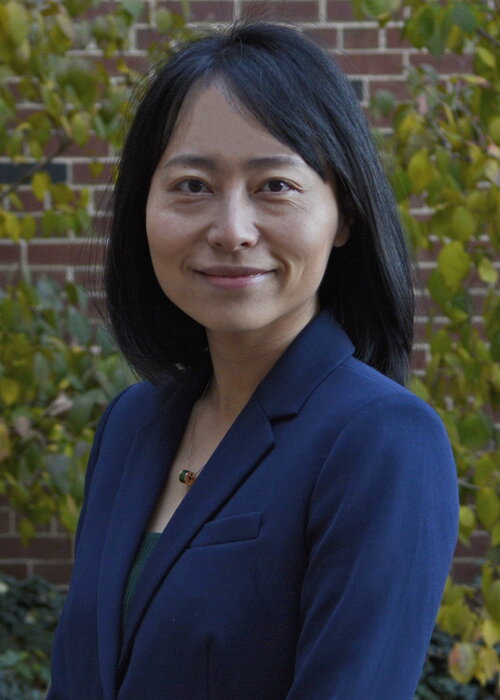
Professor Marina Kuimova is a Professor of Chemical Physics at Imperial College London's Department of Chemistry within the Faculty of Natural Sciences. She specializes in fluorescence imaging and time-resolved spectroscopy to study biologically relevant processes, particularly using molecular rotors to measure microviscosity in live cells and aerosols. Education: M.Sc. in Chemistry from Moscow State University (2001), Ph.D. from Nottingham University (2005). Postdoctoral research with Prof. David Phillips followed by fellowships at Imperial, leading to her current role as a Professor since 2016. Research focuses on molecular rotor design for imaging viscosity, temperature, and DNA G-quadruplexes in live cells. Key areas include photodynamic therapy (PDT), aerosol particle viscosity, and applications in cancer and neurodegenerative diseases. Collaborations include Prof. Ramon Vilar and Dr. Jean-Baptiste Vannier on G-quadruplex detection. Notable awards: Society of Porphyrins and Phthalocyanines Young Investigator Award (2020), British Biophysical Society Young Investigator Medal (2012). Active in over 100 invited lectures globally. Affiliations include the CRUK Convergence Science Centre, Institute of Chemical Biology, and multiple interdisciplinary research groups. Supervises a dynamic lab with over 20 students and postdocs, including Miguel Paez-Perez (poster prize winner) and Marketa Kubankova (EPSRC Doctoral Prize Fellow). Grants secured include Imperial Excellence Fund for Frontier Research (2017), EPSRC Fellowships, and scholarships schemes (e.g., President's PhD Scholarship). Labs/Teams: FLIM-based imaging, molecular rotor development, and collaborative projects on aerosol physics and cellular biophysics. Her work bridges chemical physics with biomedical applications, emphasizing translational research.
Dr. Robert Mallet is a Professor in the College of Biomedical and Translational Sciences at the University of North Texas Health Science Center, specializing in Physiology & Anatomy. His research focuses on hypoxia-induced organ protection mechanisms, particularly in cardiac and brain tissues under ischemic conditions. He holds a BS in Biology from the Catholic University of America and a PhD in Physiology from George Washington University. Research Interests: Dr. Mallet’s lab investigates how intermittent hypoxia exposure enhances organ resilience to ischemic events like heart attacks and strokes. Key areas include molecular adaptations (e.g., glyoxalase systems, antioxidant responses) and translational applications in clinical settings such as cardiac arrest resuscitation. His work bridges cellular biochemistry with clinical interventions, emphasizing non-invasive therapies like hypoxic training. Projects & Grants: Active grants include NIH-funded studies on hypoxia training for cognitive impairment (NIA, NIH) and minority health initiatives (NIMHD). Recent projects explore pyruvate’s role in organ preservation during cardiac arrest and machine-perfused kidney transplants. Labs/Teams: His lab collaborates across disciplines, focusing on translational studies in cardiovascular and neuroprotection. Current efforts target hypoxia’s role in aging-related cognitive decline and kidney injury mitigation.
D. Blaine Moore is a Professor and Chair of Neuroscience at Lake Forest College. He holds a Ph.D. in Neuroscience from the University of Florida and a B.S. in Biology (magna cum laude) from the University of North Florida. His research focuses on neurobiology, molecular mechanisms of neurodegeneration, and ethanol neurotoxicity, with particular emphasis on BACE1 protein evolution and Alzheimer’s disease pathogenesis. He leads the Neuroscience department and teaches courses like NEUR 387 (Experimental Investigations in Neurodegeneration) and NEUR 477 (Mechanisms of Neurological Disease). Dr. Moore has secured significant research funding, including a $444,941 NSF RUI grant (2018-2023) for studying BACE1 evolutionary origins. His work spans over two decades, with contributions to understanding ethanol’s effects on neural development and neurotrophin receptors. He has mentored numerous undergraduate co-authors and collaborated on interdisciplinary educational initiatives, such as integrating bioinformatics modules into neuroscience curricula. His research portfolio includes studies on Alzheimer’s CSF biomarkers, evolutionary gene studies (BACE1/APP), and ethanol-induced cellular stress mechanisms. He actively engages students in research projects, publishing with undergraduates in journals like Biology and Alcohol. His academic leadership includes previous roles at Kalamazoo College and postdoctoral training at the University of Pennsylvania’s Center for Neurodegenerative Disease Research.
Gayle Helane Doherty is a Senior Lecturer and Director of Impact at the University of St Andrews' School of Psychology and Neuroscience. She holds affiliations with the Centre for Biophotonics and Institute of Behavioural and Neural Sciences. Her research focuses on neuronal survival mechanisms in development and aging, particularly neuroprotective pathways involving leptin and amyloid interactions. Doherty earned a BSc in Developmental Biology from Glasgow University (First Class Honors) and a PhD in Developmental Neurobiology from St Andrews University. Research interests include neurodegeneration, Alzheimer's disease, and the role of adipokines like leptin. Her work bridges basic science and translational applications, such as the Automated Remote Pulse Oximetry System (ARPOS) and educational initiatives like the Practical Skills Passport program. Over 50 peer-reviewed publications span neurobiology, drug development, and innovative diagnostics. Key projects include Alzheimer's Research UK-funded studies on leptin-ghrelin co-treatment and Wellcome Trust grants supporting public engagement. She supervises PhD students in neurobiology and biomedical engineering, and has led initiatives fostering interdisciplinary collaboration. Active in academic service, she organizes national neuroscience conferences and serves on editorial boards.
Dr Jonathon Hull is a Lecturer at the University of the West of England (UWE Bristol), affiliated with the Faculty of Health and Applied Sciences (HAS). His research focuses on cancer metabolism, neurodegenerative diseases (e.g., dementia), and leukaemia, with collaborations involving institutions like the University of Bristol and Southmead Hospital. He teaches modules such as Human Biological Systems and Clinical Biochemistry, emphasizing biochemistry techniques like cell culture and Western blot analysis. His work integrates molecular biology and protein biochemistry with clinical applications, particularly in cancer therapy development and biomarker identification. Research collaborations include projects with Professors Seth Love and Patrick Kehoe (South West Dementia Brain Bank) and Dr. Kathreena Kurian (Department of Neuropathology). His recent publications explore gamification in medical education, amino acid metabolism in cancer, and natural product-based anticancer strategies. Hull’s teaching philosophy combines traditional methods with innovative tools like Resimion, a scenario-based learning platform. No scientific awards are explicitly mentioned, but his work has been supported through institutional collaborations and has led to student supervision in undergraduate and Master’s programs. His research on branched-chain amino acid metabolism and mitochondrial enzymes in neurodegenerative diseases has contributed to understanding disease mechanisms and potential therapeutic targets.
Xinzhu Yu is an Assistant Professor of Molecular & Integrative Physiology at the University of Illinois, affiliated with the School of Molecular & Cellular Biology and the Beckman Institute. His research focuses on astrocyte contributions to neural circuits, behaviors, and neurological disorders, using advanced techniques like in vivo imaging and genetic tools. **Education**: B.S., M.S. (Tsinghua University), Ph.D. (University of California Santa Cruz), Postdocs at UC Santa Cruz and UCLA. **Research Interests**: Astrocyte physiology, synaptic plasticity, motor learning, neuropsychiatric disorders, and neurodegenerative diseases. His lab explores how astrocytes influence neural circuits and behaviors, aiming to identify biomarkers and therapeutic targets for diseases like Alzheimer's and Fragile X Syndrome. **Awards**: NIH BRAIN Initiative Travel Award (2019), UCLA Brain Research Institute Postdoctoral Award (2018–2019), American Heart Association Fellowship (2016–2017). **Grants & Labs**: Leads the Yu Lab, collaborating on projects funded by NIH and other agencies. Research integrates molecular, cellular, and systems neuroscience approaches.
Elena Romanova is a Research Assistant Professor in the Department of Chemistry at the University of Illinois at Urbana-Champaign, affiliated with the College of Liberal Arts & Sciences. She holds a PhD in Chemistry from UIUC (2005) and a Biology undergraduate degree from Belarusian State University. Her research focuses on bioanalytical chemistry, with emphasis on mass spectrometry, microanalysis, and liquid separation techniques to study neurochemical changes in nervous systems under pathophysiological conditions. She leads technological innovations in neuroproteomics/neurometabolomics, particularly investigating drug abuse/addiction mechanisms and cell-cell signaling dynamics. Key research areas include single-cell peptidomics, neuroendocrine profiling, and mass spectrometry imaging. Her work supports national/international neuroscience collaborations through the Neuroproteomics & Neurometabolomics Center. Notable contributions include pioneering methods for d-amino acid peptide discovery, differential peptidomics in addiction models, and high-throughput single-cell analysis. Recent studies explore evolutionary adaptations in stickleback ecotypes and camel osmoregulation, demonstrating interdisciplinary reach. Publications span Journal of Neurochemistry , Trends in Pharmacological Sciences , and Nature Methods , with over 70 peer-reviewed articles. Research integrates bioinformatics tools for prohormone annotation and emphasizes translational applications in neurodegenerative diseases and regenerative medicine. Active in method development for quantitative biomarker identification in complex biological systems.
Professor Tammaryn Lashley is a Professor of Neuroscience and Director of Research at the Queen Square Brain Bank for Neurological Disorders, University College London (UCL). She specializes in neurodegenerative diseases, particularly Alzheimer’s disease and frontotemporal dementias (FTLD). Her research leverages post-mortem brain tissue to study pathological changes, biomarker development, and clinical correlations. Previously, she worked at the National Institute of Medical Research on spinal cord regeneration. She held the co-chair position of the UCL Alzheimer’s Research UK Network before stepping down recently. Her work integrates neuropathology, multi-omics, and epigenetics to understand disease mechanisms. Public engagement is a key focus, including lectures, media appearances, and workshops to raise awareness about neurodegenerative diseases and promote women in STEM. She advocates for career flexibility, having completed her PhD part-time while raising children. Current research priorities include advancing diagnostic tools and understanding FTLD’s pathological basis. She aims to restore lab operations post-pandemic to accelerate projects. Professional mentorship includes Dr. Tamas Revesz, and she values collaboration across disciplines and with non-scientists.
An Schreurs is a Research Fellow in the Department of Neurosciences at KU Leuven, with dual affiliations at the Laboratory for Biological Psychology (Tiensestraat 102) and UZ Leuven (Herestraat 49). Her research centers on Alzheimer's disease mechanisms using transgenic mouse models, with particular focus on synaptic plasticity deficits, regional hippocampal vulnerability, and tau-amyloid interactions. Her primary research interests include: Alzheimer's Disease Pathology Progression Dorsal-Ventral Hippocampal Vulnerability Gradients Tau and Amyloid-beta Molecular Interactions Early Cognitive and Synaptic Deficits in Neurodegeneration Humanized Transgenic Mouse Model Development Radiation-Induced Cellular Pathology Mechanisms Analysis of her publication trends reveals consistent investigation into hippocampal synaptic dysfunction as an early biomarker in Alzheimer's, with recent work emphasizing humanized tau models and regional vulnerability patterns. Her 2023-2022 publications demonstrate expanded scope into radiation biology while maintaining core focus on neurodegenerative mechanisms. Dr. Schreurs actively participates in the Mission Lucidity initiative at KU Leuven, which aims to decode brain diseases through interdisciplinary collaboration. She has served as primary supervisor for doctoral research on hippocampal vulnerability in Alzheimer's models, indicating active mentoring despite limited student listings in available records. Her laboratory work operates within the Laboratory for Biological Psychology infrastructure at KU Leuven.
Kwan Young Lee serves as a Senior Research Scientist in the Department of Molecular and Integrative Physiology at the University of Illinois Urbana-Champaign's College of Liberal Arts & Sciences. His research integrates molecular neuroscience with neurodegenerative disease mechanisms, focusing on synaptic regulation pathways. His primary research interests span Neuroscience , Molecular Biology , and Neurodegenerative Disorders , with specific expertise in Fragile X Syndrome pathophysiology, Alzheimer's disease biomarkers, seizure mechanisms, and ubiquitination pathways. Current investigations examine PSD-95 hyperfunction in early amyloid pathology, mGluR7 modulation in FXS, and p53-mediated synaptic plasticity. Recent publications reveal strong trends in translational neurotherapeutics and synaptic proteostasis , with significant contributions to understanding how phosphatidylinositol-3-phosphate regulates Arc capsid secretion and how ER stress modulates neural excitability in neurodevelopmental disorders. His work consistently bridges molecular mechanisms with behavioral phenotypes. Dr. Lee's research has garnered substantial media attention, including coverage by 38+ news outlets for discoveries related to Alzheimer's biomarkers in mouse models. His work demonstrates consistent interdisciplinary collaboration across neuroscience, molecular biology, and pharmacology domains. He maintains active research partnerships within the Molecular and Integrative Physiology department, with emphasis on neuronal signaling pathways and pathological mechanisms in neurodevelopmental and neurodegenerative conditions. Current projects focus on identifying early intervention targets for seizure disorders and cognitive impairments.
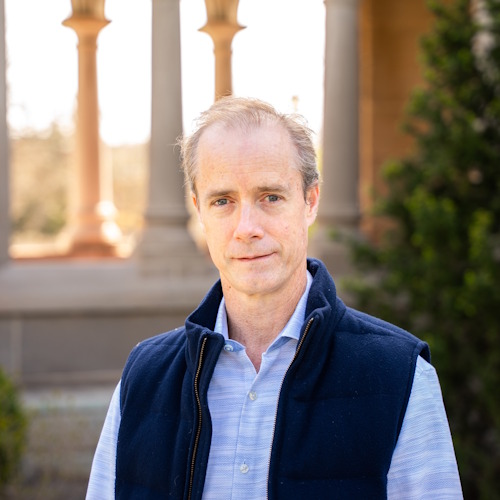
Pawel Swietach is a Professor of Physiology in the Department of Physiology, Anatomy and Genetics (DPAG) at the University of Oxford, where he leads the Swietach Research Group. He is affiliated with Corpus Christi College and his work is primarily supported by the European Research Council (ERC) and the British Heart Foundation (BHF). Professor Swietach's research centers on how biological processes are affected by chemical acidity (pH), with two main pillars: cardiac biology and cancer. His lab investigates how acidity influences cardiac diseases and tumor progression, seeking mechanisms that could lead to better diagnosis and treatment. His work reveals how pH changes affect cellular signaling, metabolic processes, and disease mechanisms in both cardiovascular and oncological contexts. Analysis of his recent publications shows a consistent focus on pH signaling across multiple biological systems. His work spans cardiac physiology, cancer metabolism, oxygen transport, and endocrine regulation, demonstrating how acidity serves as a fundamental regulator across diverse physiological processes. The research combines molecular, cellular, and systems approaches to understand how pH affects biological function in health and disease. His significant scientific achievements include: Royal Society University Research Fellowship (2008) ERC Consolidator Award (2017) Member of the Academia Europeae (2024) Professor Swietach leads a BHF Programme on acidity in hypertrophic cardiac growth and has secured substantial funding from the ERC. His research program spans multiple collaborative projects including the EU consortium IONTRAC. His work bridges basic science with potential clinical applications in cardiovascular disease and cancer. He leads the Swietach Research Group within DPAG and is involved with the Boyman Group. His laboratory investigates pH signaling mechanisms using advanced techniques in molecular physiology, cellular imaging, and systems biology to understand how acidity affects cellular function in both normal physiology and disease states.