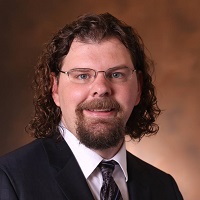
Dr. Larry Gardner is an Assistant Professor in the Department of Mechanical and Aerospace Engineering within Utah State University's College of Engineering. His research focuses on space physics, ionospheric modeling, and space weather prediction. Educational achievements include: PhD in Space/Plasma Physics from Utah State University (2005) MS in Atmospheric Physics from Utah State University (2001) BS in Physics from Utah State University (1998) Electronics Engineering Technology from ITT Technical Institute (1996) Research interests encompass ionosphere-thermosphere coupling, data assimilation for space weather models, and geomagnetic storm effects on atmospheric systems. Current work develops multimodel ensemble prediction systems (MEPS) for improved space weather forecasting. Recent publications (2015-2024) demonstrate expertise in ionospheric data assimilation, space weather model validation, and atmospheric electrodynamics. Research consistently addresses operational space weather forecasting challenges through advanced modeling techniques and multi-instrument observations. Teaching responsibilities include graduate courses in Advanced Dynamics and Compressible Fluid Flow, along with undergraduate technology courses in robotics and computer tools.
Ozzy Mermut is an Associate Professor in the Department of Physics and Astronomy at York University, holding a Tier 2 York Research Chair. He serves as the Undergraduate Program Director for Physics and Astronomy Biophysics. His research focuses on biophotonics, leveraging light to study structural-functional changes in aging processes and developing diagnostic/therapeutic tools. The MiBAR Lab, under his leadership, creates deployable biomedical sensors for global health and space life sciences. Key areas include light-responsive materials, optical dosimetry, and personalized radiation therapies. Research Strengths : Biophotonics, medical sensors, dosimetry, space health technologies Lab Leadership : Director of MiBAR Lab (Mermut integrated Biophotonics Applied Research Lab) Technical Expertise : Optical fiber dosimeters, laser pulse shaping, photonic medical devices His work spans experimental and translational research, with innovations in deployable medical devices for extreme environments like space. Over 100 peer-reviewed articles and patents highlight his contributions to biophotonics applications in healthcare and space exploration. Scientific contributions include advancements in radiochromic film calibration, light-activated polymers, and real-time dosimetry systems. His interdisciplinary approach bridges physics, engineering, and biology to address global health challenges.
Dr. John Stead is an Associate Professor and Undergraduate Chair in the Department of Neuroscience at Carleton University. He holds a PhD in Genetics from the University of Leicester (UK) and completed postdoctoral training at the University of Leicester and the Mental Health Institute, University of Michigan. His research focuses on applying bioinformatics tools to study genomic responses to environmental toxins, with earlier work encompassing diabetes genetics and depression genomics in humans. He teaches courses in data analysis for neuroscience. Research Interests: Genetic and genomic studies of mental health disorders Environmental toxin impacts on gene expression Minisatellite instability mechanisms Transcriptomic analysis methodologies Publications: Over 25 peer-reviewed articles spanning genetics, genomics, and neurobiology, including influential work on fibroblast growth factor dysregulation in depression (2004) and insulin minisatellite variation (2000). Recent studies investigate cisplatin effects on insulin secretion (2025) and transcriptional responses to plant metabolites (2024).
Dr. Guang Yang is an Associate Professor in the Department of Bioengineering and Imperial-X at Imperial College London's Faculty of Engineering. His research focuses on AI-driven techniques for imaging and biomedical data analysis, particularly in translational healthcare applications such as fast imaging, federated learning, and generative AI. Current projects address challenges in cardiovascular disease, lung disease, and oncology. He leads the AYL Lab, emphasizing innovation, collaboration, and ethical AI practices. Dr. Yang holds editorial roles across journals including npj Digital Medicine and Medical Image Analysis . He is a UKRI Future Leaders Fellow and has secured substantial funding (e.g., £1.7M UKRI Fellowship, £8.7M ERC H2020 grant). The lab includes 1 PI, 7 PDRAs, 14 PhD students, and 10+ MRes/MSc students, fostering a culture of professional growth and inclusivity. His research interests span AI ethics, federated learning, explainable AI, and medical imaging applications. Recent work includes analyzing AI autophagy risks, drug discovery via machine learning, and non-invasive imaging techniques. Key collaborations involve industry partners and institutions like the Francis Crick Institute. Teaching includes modules on trustworthy AI in medical imaging and image processing. Awards include IEEE Senior Member and SPIE Life Member statuses. The lab prioritizes mental health and work-life balance, promoting open communication and career development for members.
Rance Nault, PhD, is an Assistant Professor in the Department of Pharmacology & Toxicology at Michigan State University (MSU), affiliated with the College of Osteopathic Medicine. His research focuses on integrating computational methods with experimental toxicology to study chemical/drug effects on liver disease progression, particularly using single-cell transcriptomics and spatial transcriptomics. He holds a PhD from MSU (2016) and an MSc from the University of Ottawa (2011). Key research interests include mechanotransduction in perivascular adipose tissue (PVAT), TCDD-induced metabolic reprogramming, and FAIR data standards in environmental health. His lab develops tools like metabolic network-based machine learning models to predict toxicant effects. Recent work explores high-fat diet impacts on PVAT cell composition and AHR-mediated signaling pathways. He teaches PHM 838: Pharmacogenomics (online) and advises the Nault Lab, located in the Life Sciences Building. Employment spans MSU from 2021, with prior roles in toxicogenomics and environmental contaminant research. His work bridges computational biology, genomics, and translational toxicology to advance personalized health strategies.
Dr. Usman Mahmood serves as Assistant Professor at Weill Cornell Graduate School of Medical Sciences and assistant attending physicist at Memorial Sloan Kettering Cancer Center (MSKCC). He directs the X-ray methods and computed tomography physics course within Weill Cornell Medical College's biomedical imaging graduate program, bridging medical physics, artificial intelligence, and oncological imaging to enhance diagnostic accuracy while prioritizing patient safety and equity. His educational background includes: B.S. in Physics from Stony Brook University (cum laude) M.S. in Medical Physics from Columbia University Ph.D. from Rochester Institute of Technology (completed while working at MSKCC) Dr. Mahmood's research focuses on developing quantitative imaging and AI methodologies for precise tumor characterization in radiological imaging. His lab leverages invisible quantitative features from medical images to enhance cancer diagnosis and treatment, with emphasis on data quality and reliability. Current projects include AI-driven tumor characterization, 3D printing for imaging validation, ethical radiological AI tools in oncology, and quality assurance methodologies. His work addresses AI's potential biases while advancing diagnostic accuracy through rigorous validation frameworks. His publication portfolio demonstrates consistent innovation at the medical physics-AI intersection, with recent work emphasizing practical validation frameworks using 3D-printed phantoms that replicate tumor micro-textures. A recurring theme is establishing tangible benchmarks for AI tools in clinical settings, ensuring algorithmic predictions maintain clinical relevance while mitigating risks associated with radiological AI deployment. Notable distinctions include: 2020 MSK Physics Clinical Service Award for work in CT 2018 President of Radiological and Medical Physics Association of NY 2014 Diplomate, American Board of Radiology - Diagnostic Imaging Physics As a board-certified diagnostic medical physicist, Dr. Mahmood mentors students in developing 3D-printed phantoms that replicate complex anatomical shapes of tumors. His leadership extends to directing educational programs and professional associations. His research utilizes institutional resources at MSKCC to develop large-scale datasets for training AI systems in cancer classification on CT scans, with emphasis on clinical translation and ethical implementation. Dr. Mahmood leads a research group focused on bridging physical and digital realms in medical imaging. His lab develops 3D-printed phantoms providing real-world benchmarks for validating quantitative imaging features, enhancing AI diagnostic reliability through physical counterparts to digital images. This approach ensures technically advanced solutions maintain clinical significance and patient safety as primary considerations.
Miles H Dinner is a Clinical Professor in the Department of Anesthesiology at Weill Cornell Medical College, Cornell University, holding dual appointments in Anesthesiology since 2003 and Clinical Pediatrics since 2007. His clinical and academic work bridges pediatric care with advanced anesthetic practice. His educational background includes: M.D. from Cornell University Medical College (1978) B.A. from Queens College, City University of New York (1974) Dr. Dinner's research centers on Pediatric Anesthesiology and Clinical Procedure Innovation , with emphases on airway management safety, vascular access techniques, and anesthesia for children with genetic disorders. His work addresses critical challenges like intraocular pressure changes during surgery, bacteremia prevention in intubation, and specialized care for syndromes such as Russell-Silver. He pioneered transillumination-assisted venipuncture for children and contributed to gene therapy protocols for neurodegenerative conditions. Analysis of his publications reveals consistent focus on pediatric applications and interdisciplinary problem-solving. His research bridges anesthesiology with neurology, ophthalmology, and surgery, demonstrating strong translational impact. Key themes include physiological responses to anesthetics, complication prevention in vulnerable populations, and novel techniques for infants and children. His 1992 desflurane study (170 citations) and 2004 gene therapy protocol (100 citations) highlight significant influence in clinical practice. Dr. Dinner has authored numerous high-impact publications in journals including Anesthesiology and Anesthesia & Analgesia , with several works exceeding 50 citations. His research on succinylcholine's ocular effects (50 citations) and central venous access (18 citations) established important safety benchmarks. While no awards are specified in available records, his citation metrics indicate substantial scholarly impact. Information regarding graduate student advising, research grants, laboratory affiliations, or team leadership is not documented in the provided materials.
Sachin Kheterpal, MD, MBA is a Professor of Anesthesiology at the University of Michigan Medical School , where he serves as the Chair of the Department of Anesthesiology and holds the Robert B Sweet Endowed Professorship . He leads the Multicenter Perioperative Outcomes Group (MPOG) , a consortium of over 60 health systems advancing observational research, pragmatic trials, and quality improvement in perioperative care. Education MD - University of Michigan Medical School (1999) MBA - University of Michigan Business School (2004) BS - University of Michigan College of Literature, Science and the Arts (1996) Kheterpal’s research focuses on applying information technology , electronic health records , and machine learning to solve critical challenges in anesthesia, including: Transfusion risk prediction Neuromuscular blockade optimization Acute kidney injury prevention Difficult airway assessment Cardiac surgery outcomes Clinical practice variation analysis His recent publications demonstrate expertise in perioperative data science , with applications spanning predictive analytics , pediatric anesthesiology , and critical care . Kheterpal received the 2024 ASA Excellence in Research Award for his transformative work in multicenter collaborations. He maintains active roles in national organizations including: Elected member - National Academy of Medicine Member - NIH Novel and Exceptional Technology and Research Advisory Committee (NExTRAC) Center member - Institute for Healthcare Policy and Innovation , Weil Critical Care Research , Samuel and Jean Frankel Cardiovascular Center , and Precision Health Initiative A dedicated mentor, Kheterpal contributes to grant-funded research programs and drives institutional innovation in anesthesiology.
Ermile Gaganidze is a Group Leader at the Karlsruhe Institute of Technology (KIT) within the Mechanics of Materials and Interfaces department. His research focuses on neutron irradiation effects on structural steels and tungsten alloys, modeling irradiation defect nucleation and growth, and developing material databases for fusion applications. Key trends in his publications include neutron irradiation effects on reactor materials, dislocation loop analysis, quantitative microstructure characterization, and multiscale modeling. His work addresses fusion reactor components like ITER specification tungsten and RAFM steels. He actively collaborates in labs such as IAM-MMI Mechanics of Materials and Interfaces, Additive Manufacturing, and Fusion Materials Laboratory. His research contributes to reactor safety and fusion material standards.
Mike Scarpulla is a Professor in both the Department of Electrical & Computer Engineering and Materials Science & Engineering at the University of Utah since 2008. He earned a ScB in Materials Science & Engineering (MSE) from Brown University (2000), worked at IBM Almaden Research Center, and obtained his PhD in MSE from UC Berkeley (2006) . His multidisciplinary research focuses on compound semiconductors , defect characterization , and device reliability . Key research areas: Ultrawide Bandgap Semiconductors (GaN, Ga2O3), Thin Film Solar Cells (CdTe), and Radiation Effects on semiconductor devices His group develops novel techniques like photoluminescence microscopy and spread spectrum time-domain reflectometry (SSTDR) for PV system monitoring Research Trends: His recent work explores β-Ga2O3 phase transitions, GeO2 epitaxy , defect diffusion , and high-doping mechanisms in GaAs. He investigates electron-phonon coupling , ionic conductivity , and optical polarization in novel semiconductors. Scientific Recognition: University Professor (2023) College of Engineering Outstanding Service Award (2022) ECE Chair's Award (2022) Top 15% Instructor (2020) Outstanding Research Award (2019) Teaching: He teaches graduate courses in photovoltaic materials and undergraduate research. His group has produced >200 peer-reviewed publications and conference talks, including a book chapter on solar cell characterization.
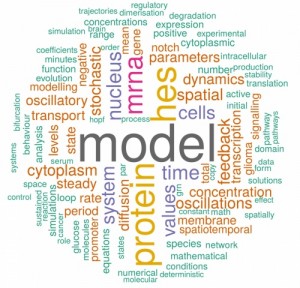
Dr. Sturrock is a Lecturer in Biophysics and Computational Biology in the Department of Physiology. He holds a B.Sc. in Applied Mathematics (2009) and a Ph.D. (2013) from the University of Dundee, focusing on spatio-temporal models of gene regulatory networks. His postdoctoral work includes research at The Ohio State University (macromolecular crowding, cell polarization) and Imperial College London (stochastic gene expression, synthetic Turing patterns). B.Sc., Applied Mathematics, University of Dundee (2009) Ph.D., University of Dundee (2013) His research centers on computational modeling of biological systems, including gene regulation, cell polarization, and cancer dynamics. Publications highlight the role of stochasticity in gene networks, spatial effects in signaling, and applications to glioblastoma and synthetic biology. Topics span mathematical biology, systems biology, and biophysics. Recent articles emphasize machine learning integration for genomic selection, Bayesian network inference, spatio-temporal cancer modeling, and stochastic simulations. Key methodologies include agent-based modeling, synthetic data generation, and compartmentalized systems analysis. He has collaborated with institutions such as the Mathematical Biosciences Institute at Ohio State and synthetic biology groups at Imperial College London, though no current lab affiliations are detailed in the provided text.
Esben Budtz-Jørgensen is a Professor at the Section of Biostatistics , part of the Faculty of Health and Medical Sciences at the University of Copenhagen . His research focuses on environmental epidemiology , regression analysis , measurement error , and structural equation models . Research Interests: Environmental health, statistical modeling, latent variables, benchmark dose analysis. Editorial Role: Former editor of Environmental Health journal (2008–2012). Recent Publications highlight collaborations in environmental neurotoxicology, PFAS exposure during pregnancy, and air pollution impacts on child health. His work integrates rigorous statistical methods with public health applications, including vaccine response analysis and prenatal fluoride exposure studies.
Bennett Landman serves as Professor of Electrical and Computer Engineering at Vanderbilt University and Director of the Vanderbilt Lab for Immersive AI Translation (VALIANT). He leads the Medical-image Analysis and Statistical Interpretation (MASI) lab, focusing on medical image processing with robust and scalable methods for large-scale data analysis. His academic home is in the School of Engineering with strong ties to the School of Medicine and multiple clinical departments. Education Ph.D. in Biomedical Engineering (2008), Johns Hopkins University School of Medicine, Baltimore, MD - Thesis: "Diffusion Imaging of the In Vivo Spinal Cord and Cerebellum" advised by Jerry Prince and Susumu Mori M.Eng. in Electrical Engineering and Computer Science (2002), Massachusetts Institute of Technology, Cambridge, MA - Thesis: "Broadband Nanosensing using Heterodyne Interferometry" advised by Dennis Freeman B.S. in Electrical Engineering and Computer Science (2001), Massachusetts Institute of Technology, Cambridge, MA - Minors in Mechanical Engineering and Economics Research Interests Dr. Landman's research focuses on medical image processing with particular emphasis on neuroimaging and diffusion weighted magnetic resonance imaging . His work spans Alzheimer's disease and aging research, large-scale medical data analysis, and the development of robust image processing pipelines that connect medical physics with clinical applications. His lab has constructed a university-wide medical image processing system handling data for over 400 IRB-approved projects with more than 100,000 imaging sessions, demonstrating significant infrastructure development capabilities. His current research agenda combines image-processing technologies with electronic health data to improve understanding of individual anatomy and advance personalized medicine. This work intersects with multiple disciplines including Big Data analytics , medical imaging , and AI translation for clinical applications, with recent expansion into containerization, federated learning, and advanced neural network architectures for medical image analysis. Research Trends Analysis Analysis of Dr. Landman's recent publications reveals a strong focus on advancing medical imaging techniques, particularly in neuroimaging and diffusion MRI. His work spans methodological developments in image processing, clinical applications in Alzheimer's disease and aging, and innovative uses of AI for medical image analysis. A significant portion addresses challenges in large-scale data processing, quality control, and standardization across multiple imaging sites. His research increasingly incorporates advanced AI techniques including deep learning, GANs, and federated learning approaches to solve problems in medical imaging while addressing issues of data privacy and fairness, with notable contributions to preclinical imaging standards through the ISMRM diffusion study group. Affiliations and Mentoring Dr. Landman maintains strong affiliations with both the Vanderbilt School of Engineering and the School of Medicine. He leads the MASI lab which supports numerous research projects that would involve mentoring graduate students and postdoctoral researchers in electrical engineering, biomedical engineering, and medical imaging fields. His work involves significant collaboration across disciplines, particularly in neuroscience, radiology, and computer science, with infrastructure supporting over 400 IRB-approved projects demonstrating extensive collaborative activity. Laboratories and Teams Dr. Landman directs the Medical-image Analysis and Statistical Interpretation (MASI) lab at Vanderbilt University, which focuses on developing robust and scalable methods for medical image analysis. He is also the Director of the Vanderbilt Lab for Immersive AI Translation (VALIANT), indicating a growing focus on translating AI technologies into clinical practice. His team has constructed a university-wide medical image processing system that handles data for 400+ IRB-approved projects with more than 100,000 imaging sessions, demonstrating significant infrastructure development capabilities. The lab maintains close links with Vanderbilt's high-performance computing center for automated processing of structural, functional, and diffusion MRI data, with recent work expanding into containerization, pipeline robustness, and AI translation for clinical applications.
Yonatan Mintz is an Assistant Professor in the Department of Industrial and Systems Engineering at the University of Wisconsin-Madison. His research focuses on applying machine learning and automated decision-making to healthcare and sociotechnical systems, emphasizing fairness, precision interventions, and optimization. Prior to UW-Madison, he was a postdoctoral research fellow at Georgia Tech, and earned his BS from Georgia Tech (2012) and PhD from UC Berkeley (2018). He has industry experience at Caterpillar and Google. Education: PhD 2018, University of California, Berkeley in Industrial Engineering and Operations Research B.S. 2012, Georgia Institute of Technology in Industrial and Systems Engineering Research interests include reinforcement learning, precision healthcare (e.g., personalized drug dosing, neurodegenerative monitoring), fairness in AI, and optimization methodologies. He explores applications in healthcare analytics, behavioral interventions, and ethical AI frameworks. Key research trends in his articles include: Integration of machine learning with healthcare decision-making Development of adaptive control systems for personalized treatments Analysis of non-stationary environments in bandit algorithms Ethical considerations in human-AI collaboration Awards: 2019 NeurIPS Best Poster Award for AI for Social Good 2017 Grassi Fellowship (Doctoral) 2012 ISyE Senior Design Winner (Undergraduate) Teaching focuses on dynamic programming, reinforcement learning, and optimization, with courses like COMP SCI 723 - Dynamic Programming and I SY E 604 - Special Topics in Manufacturing .
Nayyereh Ayati is a Research Fellow at the Centre for Health Economics within Monash Business School at Monash University. She holds an ORCID identifier (0000-0002-7346-9470) and an email address: ney.ayati@monash.edu . Her primary expertise lies in health technology assessments, pharmaceutical economics, and health policy development. Education : PhD in Pharmacoeconomics and Pharmaceutical Administration from Tehran University of Medical Sciences (2016–2022) Pharmaceutical Doctorate (PharmD) from Mashhad University of Medical Sciences (2009–2016) Research Interests : Dr. Ayati focuses on optimizing healthcare outcomes through evidence-based decision-making. Her work addresses challenges in pharmacogenomics implementation, economic evaluation of novel therapeutics, and regulatory frameworks for theranostics. She explores how health policies can enhance drug accessibility and affordability, particularly in developing countries like Iran. Her interdisciplinary approach integrates decision analytic modeling and workforce development strategies to address systemic inefficiencies in healthcare delivery. Projects : A key project led by her is the Monitoring system for final trial overall survival (OS) results for cancer medicines , conducted in collaboration with researchers from institutions such as Peter MacCallum Cancer Centre and Cobel Group. This initiative aims to improve transparency and evidence-based practices in oncology therapeutics. Advising & Grants : Served as a Health Economics & Outcome Research Advisor for Cobel Group (2018–2023) External roles include Visiting Researcher at Peter MacCallum Cancer Centre (2022) and Assistant University Lecturer at Ardabil and Tehran Universities of Medical Sciences (2017–2021) Contributed to business development at Pars Darou Pharmaceutical Company (2017–2018) Internship at Iran Food and Drug Administration (2016–2017) Labs & Collaborations : Dr. Ayati collaborates widely with global institutions, including Peter MacCallum Cancer Centre and multiple universities. Her work aligns with UN Sustainable Development Goals, particularly in advancing health equity and sustainable healthcare systems.