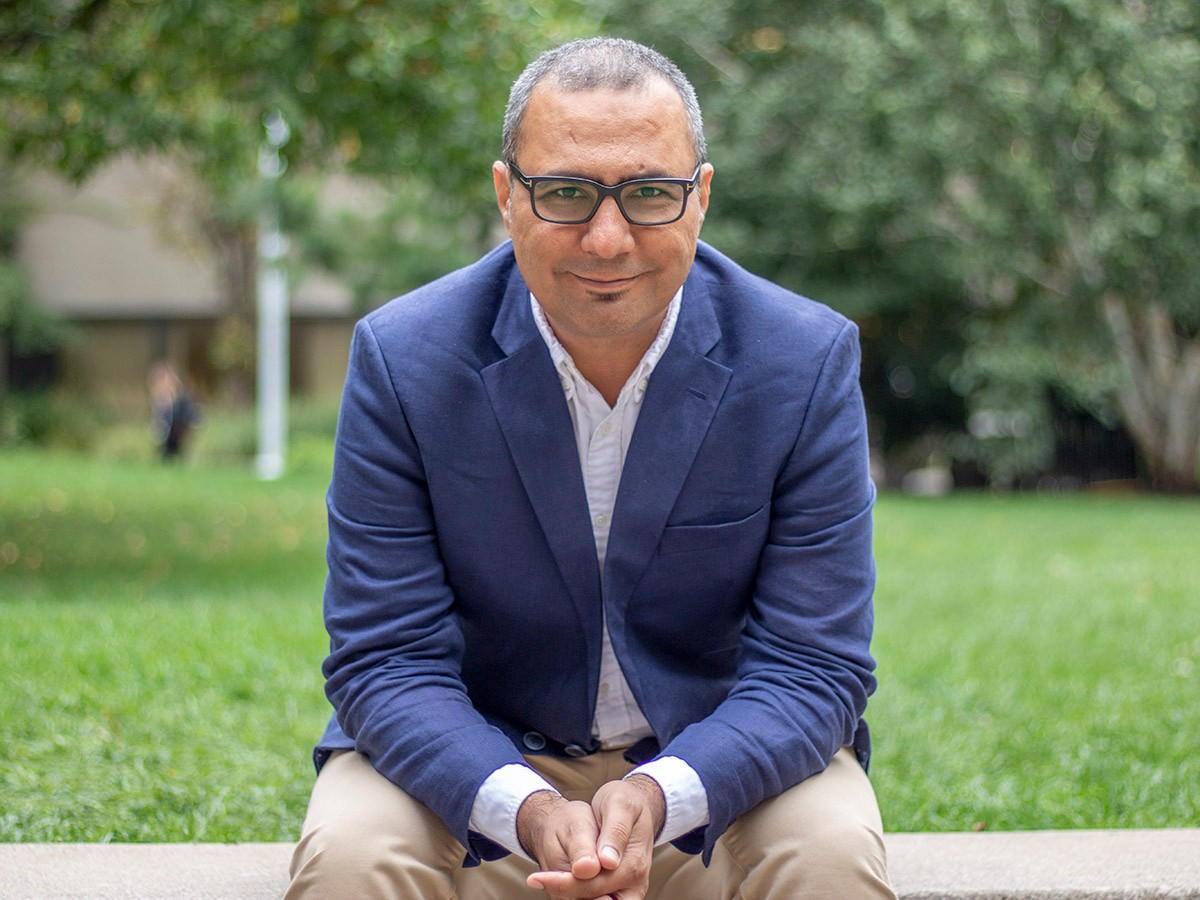
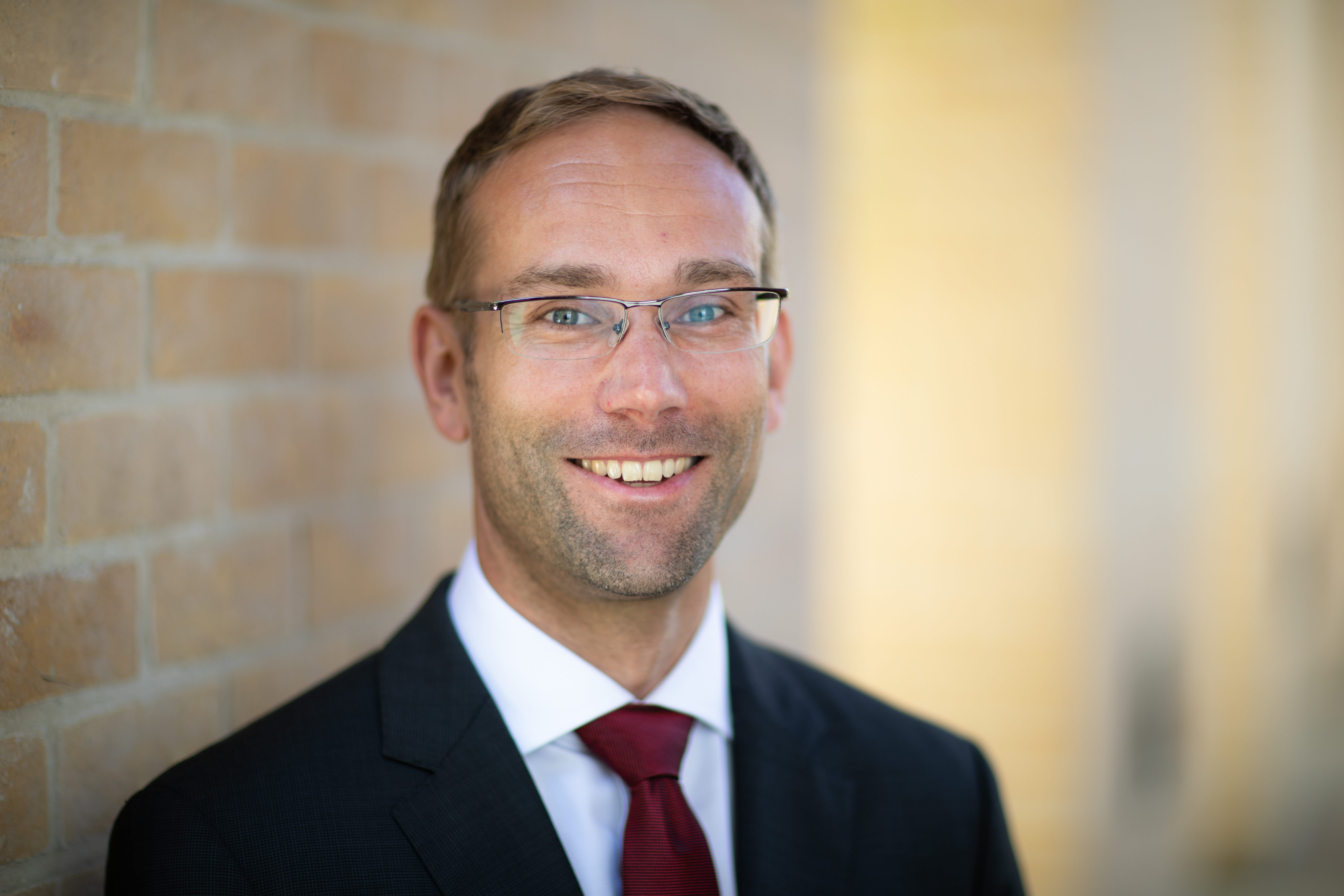
Prof Kulwant Singh is a Professor of Strategy and Policy at the NUS Business School, National University of Singapore. His research focuses on strategy, management, organizational behavior, applied economics, and business systems in regional and global contexts. He holds a permanent academic appointment since January 2022. Teaching philosophy emphasizes contextualizing content for Singapore/Asia-Pacific business environments through case studies and combining theoretical frameworks with practical applications. He prioritizes interactive seminars to enhance student engagement and theoretical understanding in strategy education. Research interests include corporate diversification strategies, political ties' impact, alliance portfolio management, institutional transitions, and innovation dynamics in emerging markets. His work bridges universal strategic theories with Asia-specific business practices. Award-winning contributions include developing teaching materials for regional business contexts and advancing understanding of strategic competition in complex environments. Active in academic leadership through conference organization and editorial roles in strategy research.
Bilal Farooq is an Associate Professor and Program Director for the Master of Engineering in Interdisciplinary Engineering (MEIE) at Toronto Metropolitan University, holding the Canada Research Chair in Disruptive Transportation Technologies and Services within the Department of Civil Engineering. His educational background includes a PhD from the University of Toronto (2011), MASc from Lahore University of Management Sciences (2004), and BSc from the University of Engineering and Technology (2001). Dr. Farooq's research pioneers disruptive transportation solutions through cyber-physical systems, AI/machine learning applications, behavioral modeling, and optimization techniques. His work specifically targets on-demand multimodal systems, sustainable urban transportation, urban air mobility, automated vehicles, and extended reality applications, addressing critical urban mobility challenges with human-centered approaches. Analysis of his recent publications reveals a strong trend toward quantum-enhanced computational methods, privacy-preserving federated learning frameworks, and sustainability-focused decarbonization strategies across transportation domains, with increasing emphasis on human factors and real-world implementation. Notable scientific awards include: Ontario Early Researcher Award (2018) Canada Research Chair (2017) MassMotion Academic Pedestrian Modelling Project of the Year (2016) Québec Early Researcher Award (2014) Dr. Farooq actively supervises graduate students and secures significant research funding through his Canada Research Chair position and Early Researcher Awards. He directs the Laboratory of Innovations in Transportation (LiTrans), which develops interdisciplinary solutions integrating mathematics, engineering, computer science, and economics to address emerging transportation challenges. LiTrans focuses on disruptive transportation technologies, complete streets design, cyber-physical systems, pedestrian dynamics, resilience, and climate change impacts, collaborating with industry and government partners to translate research into practical urban mobility innovations for smart cities worldwide.
Profile Roles and Affiliations: Michael Smets is a Professor of Management at the Saïd Business School, University of Oxford. He is also a Research Fellow at Green Templeton College and a member of the Centre for Professional Service Firms. His academic contributions span institutional theory, practice theory, and strategic management. Education: Bachelor’s equivalent in Business and Economics, Cologne University, Germany MSc in Management Research, Saïd Business School DPhil in Management, Saïd Business School Postdoctoral Researcher at Saïd Business School and University of Alberta’s School of Management Research Interests: Michael’s work examines professional service firms (PSFs) through three core lenses: Global Operations: Internationalisation challenges in law, consulting, and reinsurance firms, with a focus on institutional complexity and regulatory systems. Innovation & Career Systems: How evolving career structures in PSFs can simultaneously drive innovation and address work-life balance demands. Recent studies highlight ambidextrous career paths and their strategic leverage. Methodological Innovation: Pioneering video- and team-ethnography to capture micro-level organisational practices. His ‘fly on the wall’ study at Lloyd’s of London is a landmark in this domain. Academic & Industry Impact: His research has been translated into industry-relevant outputs, including reports for the reinsurance sector and handbooks for legal firms. The 2013 ESRC Award for Outstanding Impact in Business recognises this translational work. Academically, he has received the 2012 Academy of Management Journal Best Article Award and multiple best paper awards. Teaching & Executive Education: Michael teaches strategic management, innovation, and business development in executive programmes for Commerzbank, Deloitte, and other global firms. He is Programme Director for the Oxford Leading Professional Service Firms Programme, emphasizing interactive, case-study driven pedagogy. His teaching philosophy prioritises critical thinking over rigid models, as he states: ‘It is critical to understand under which circumstances which models work, and which ones don’t.’ Labs & Collaborations: Affiliated with the Centre for Professional Service Firms and the Oxford Initiative on Rethinking Performance. He collaborates with institutions like Cass Business School and Aston Business School on ethnographic studies. His work also intersects with the Insurance Institute of London and the International Bar Association for practitioner-focused outputs.
Thomas Rüde is Universitätsprofessor for Hydrogeology at RWTH Aachen University , Germany, where he leads the Hydrogeology group within the Faculty of Georesources and Materials Engineering. Holding the chair since 2005, he also serves as Managing Director of the Vereinigung Aachener Geowissenschaftler e.V. and has previously been Vice-President (2008-2014) and Executive Council member (2000-2008) of the International Mine Water Association (IMWA). Education 2004 – Privatdozent (Dr. rer. nat. habil.), University of Munich 1995 – Dr. rer. nat., University of Karlsruhe 1991 – Diplom-Geologe, University of Karlsruhe Research focus Professor Rüde’s work centres on understanding and modelling flow and reactive transport in complex aquifer systems . Key themes include: Contaminant hydrogeology – behaviour of geogenic arsenic and uranium in groundwater Groundwater protection and remediation – risk assessment and mitigation strategies Mine-water management – acid mine drainage, dewatering-well clogging, post-mining landscapes Tracer and hydraulic testing – field experiments to quantify subsurface heterogeneity Numerical modelling – high-performance simulation of multi-aquifer systems and karst His research spans Europe (Germany, Austria, Netherlands), Latin America (Mexico, Indonesia) and South-East Asia, frequently in close collaboration with local universities and industry partners. Publication trends Since 2010, Rüde has published extensively on geogenic contamination (As, U, F) in sedimentary and volcanic aquifers, mine-water impacts , and karst hydraulics . Recent work (2022-24) highlights advanced environmental tracers (gadolinium), transboundary groundwater issues, and the sustainable management of post-mining landscapes under climate change. Numerical models range from site-scale dewatering optimisation to catchment-scale coupled flow-transport simulations. Scientific awards & recognition Best Teaching Award 2010 – RWTH Aachen University Best Teaching Award 2012 – RWTH Aachen University Best Teaching Award 2014 – RWTH Aachen University Supervision & academic service Since 1998 he has taught hydrogeology through lectures, seminars, laboratory and field courses, and computer-based modelling labs. To date he has supervised: 13 PhD candidates 34 Diploma students 57 MSc students 63 BSc students He is Chairman of the Study Commission for the BSc programme in Georesources Management at RWTH Aachen, ensuring curriculum development and quality assurance. Laboratory & field infrastructure His group operates modern hydrochemical laboratories for trace-element analyses and maintains field stations for tracer experiments in Germany, Mexico and Indonesia. High-performance computing resources (in collaboration with the Jülich Supercomputing Centre) enable large-scale groundwater modelling and Monte-Carlo uncertainty assessments.
Dr. Georgie Agar is a Lecturer at the School of Life & Health Sciences, Aston University , affiliated with the College of Health and Life Sciences and the Applied Health Research Group . Her research focuses on sleep disorders, self-injurious behavior, and caregiver impact in individuals with intellectual disabilities and rare genetic syndromes like Smith-Magenis and Angelman syndromes. Research Interests : Dr. Agar specializes in developing inclusive clinical assessment tools for sleep, pain, and behavior in neurodevelopmental populations. She employs mixed-methods, meta-analytic approaches, and longitudinal studies to explore sleep trajectories, behavioral conditioning models, and caregiver experiences. Publications : Her work spans sleep management in Smith-Magenis syndrome, overactivity metrics in genetic conditions, and systematic reviews on self-restraint in autism. Key journals include Molecular Autism , Orphanet Journal of Rare Diseases , and Research in Developmental Disabilities . Labs & Collaborations : She collaborates with the Aston Institute of Health & Neurodevelopment , focusing on neurodevelopmental research and cross-institutional partnerships in sleep and behavioral science.
Professor Sara Dolnicar is an ARC Australian Laureate Fellow at the School of Business, Faculty of Business, Economics and Law, University of Queensland. With degrees in psychology and business administration from Wirtschaftsuniversität Wien, she specializes in market segmentation, sustainable tourism, social marketing, and environmental behavior. Born in Slovenia, raised in Austria, now based in Australia Over 300 refereed publications and 16 ARC grants Recipient of TTRA Distinguished Researcher Award (2017) and Slovenian Ambassador of Science (2016) Her research improves market segmentation methodology, addresses environmental sustainability in tourism, and develops behavioral interventions for eco-friendly tourist practices. She pioneered perceptions-based market segmentation and introduced bi-clustering techniques for improved data analysis. Recent publications focus on towel reuse interventions, buffet waste reduction, and smart sensor systems for hotel sustainability. She supervises PhD students in environmental behavior, tourism carbon emissions, and IoT applications for sustainability. Current grants include 'Mechanisms of Behaviour Change Theory' (2025-2028) and 'Reducing plate waste in hotels' (2021-2025). Key research areas: Sustainable tourism, market segmentation, social marketing Supervised over 15 PhD students in environmental behavior and disability employment Collaborates with industry partners like Energy Queensland and disability organizations
Rasha Baruni is an Assistant Professor in the Department of Psychology at the University of Manitoba's Faculty of Arts. She teaches courses including Seminar in Behaviour Modification (PSYC 4540/8240) and Seminar in Basic Operant Research (PSYC 4540/8270). Her academic background includes a PhD in Applied Behaviour Analysis from the University of South Florida (2023), an MS in Applied Behaviour Analysis from St. Cloud State University (2012), and a BA Honours in Psychology from York University (2007). PhD (Applied Behaviour Analysis), University of South Florida, 2023 MS (Applied Behaviour Analysis), St. Cloud State University, 2012 BA Honours (Psychology), York University, 2007 Baruni's research focuses on applied behavior analysis for child safety , particularly in digital environments. She develops and evaluates behavioral skills training (BST) and conjugate reinforcement schedules to address physical and digital safety threats (e.g., firearms, social media risks). Her work extends to staff training methodologies and procedural fidelity in intervention implementation. Recent publications analyze conjugate reinforcement dynamics, remote safety training efficacy, and BST adaptations. Research trends show emphasis on digital safety threats , cross-cultural interventions , and technology-assisted training for both children and practitioners. She actively explores ways to improve stakeholder accessibility to safety programs. Currently accepting Master’s and PhD students, Baruni collaborates with international institutions on behavioral safety initiatives and maintains active research connections through platforms like Google Scholar and ResearchGate.
Maria C.W. Peeters serves as a Full Professor at Eindhoven University of Technology (TU/e) within the Department of Industrial Engineering and Innovation Sciences, specifically the Human Performance Management Group. She concurrently holds an Associate Professor position at Utrecht University in the Department of Social, Health and Organizational Psychology, reflecting her dual institutional engagement in Work and Organizational Psychology. Her educational background includes: MSc in Health Sciences from Maastricht University PhD from Radboud Universiteit Nijmegen (dissertation: effect of social support on work stress) Peeters' research investigates sustainable workforce performance through the critical lens of worker diversity in high-tech environments. She specializes in worker (ill)health and well-being, work engagement, sustainable employability, job crafting interventions, work-life balance dynamics, and tailored technological innovation implementation. Her work emphasizes adapting technologies to accommodate older workers, those with lower educational levels, and disabilities to extend labor market participation. Recent publications (2025) analyze psychosocial safety climate and the DISC model for office workers, while earlier studies (2018-2015) focused on job crafting transmission and intervention efficacy. Her research consistently employs quantitative methodologies like regression analysis within the Job Demands-Resources framework, addressing sustainable performance threats from rapid technological implementation. No specific scientific awards or prizes are documented in the provided text. Peeters has published over 100 national and international articles and book chapters, with 75 research outputs listed in TU/e's repository. She co-edited the textbook "An Introduction to Contemporary Work Psychology" (Wiley Blackwell, 2014) and serves on editorial boards for Work & Stress and Gedrag en Organisatie (Dutch Journal of Behaviour in Organizations). Her academic leadership includes presidency of the Dutch Association of Work & Organizational Psychology since 2018. She operates within the Human Performance Management Group at TU/e, which studies workforce optimization through health, engagement, and sustainable employability metrics in digitized workplaces.
Dr. Elizabeth Linos is the Emma Bloomberg Associate Professor of Public Policy and Management at Harvard Kennedy School of Government and Faculty Director of The People Lab. Her work bridges behavioral science and public management to improve government operations and services. Prior roles include Assistant Professor at UC Berkeley, VP and Head of Research at Behavioral Insights Team North America, and policy advisor to Greek Prime Minister George Papandreou Founded The People Lab (2017), which collaborates with government agencies to address real-time challenges Research focuses on government workforce recruitment, resident-state interactions, and evidence-based policymaking Her research explores behavioral interventions in public sector contexts, with significant contributions to understanding stigma in social programs , organizational inertia in evidence adoption , and intersectional workplace dynamics . Recent work investigates cost-effective nudge strategies for anti-poverty benefits and international healthcare recruitment . Notable scientific awards include the David N. Kershaw Award (2023), recognition as a top 10 local government influencer by ELGL, and inclusion in Apolitical's 100 most influential academics in government. Her sponsored projects address evidence adoption, healthcare recruitment, and benefits take-up barriers. She has served on advisory boards for the American Heart Association , OECD , and Democracy Forward Foundation , and her work has been featured in Nature Human Behaviour , Econometrica , and Harvard Business Review .
Dr I-Shuo Chen is a Senior Lecturer in Organisational Behaviour at the School of Management, Faculty of Business and Law, Anglia Ruskin University (ARU). He previously held academic positions at the University of Dundee and Wuhan University, China, and earned his PhD in Business Studies from Trinity College, Dublin. He is actively engaged in research and editorial work, serving as Associate Editor for Frontiers in Psychology – Organisational Psychology . Education and Qualifications: PhD in Business Studies, Trinity College, Dublin Fellow (FHEA), Higher Education Academy (UKPSF), 2018 IPMA-HR Senior Certified Professional, 2000 Research Interests: Dr Chen's research focuses on organisational behaviour, particularly work engagement, work-life balance, green human resource management, creativity, innovation, and higher education. His work explores how personal and organisational resources influence employee well-being and performance, especially in digital and remote environments. Themes such as online leisure crafting, home boredom, and intelligent learning systems are central to his recent investigations. Publications and Research Trends: His recent publications appear in high-impact SSCI and SCI journals such as Computers in Human Behavior , International Journal of Hospitality Management , and Journal of Air Transport Management . The research demonstrates a consistent focus on applying psychological and management theories to practical organisational and educational challenges, with an increasing emphasis on digital transformation, employee resilience, and sustainable HR practices. Scientific Awards and Memberships: Fellow (FHEA), Higher Education Academy (UKPSF), 2018 IPMA-HR Senior Certified Professional, 2000 Associate Member, Chartered Institute of Personnel and Development (CIPD), 2019 Member, Chartered Management Institute (CMI), 2019 Member, UKRI Future Leaders Fellowships Peer Review College, 2021 Member, European Association of Work and Organisational Psychology, 2017 Member, European Academy of Occupational Health Psychology, 2014 Advising, Grants, and Editorial Roles: Dr Chen serves as Associate Editor for Frontiers in Psychology and has been an ad hoc reviewer for numerous top journals including Human Relations , International Journal of Human Resource Management , and Journal of Happiness Studies . While no specific grants or students are listed, his extensive peer review and editorial board involvement indicate active scholarly leadership. Labs and Research Teams: Although no specific lab or research team is named, Dr Chen collaborates internationally and presents regularly at major conferences such as the Academy of Management (AOM) and European Association of Work and Organisational Psychology (EAWOP), suggesting active participation in global research networks.
René M.B.M. de Koster is a Full Professor of Logistics and Operations Management at the Rotterdam School of Management (RSM), Erasmus University, where he has been a faculty member since 1995. He holds a PhD from Eindhoven University of Technology (1988) and is a leading expert in warehousing, material handling, and sustainable logistics. PhD, Eindhoven University of Technology, 1988 Professor, RSM, Erasmus University, 1995–present Honorary Francqui Chair, Hasselt University, 2018 His research focuses on warehousing systems , robotics in logistics , container terminals , and behavioural operations . He integrates operations research with real-world logistics challenges, emphasizing sustainability and automation. His work contributes to UN Sustainable Development Goals related to responsible consumption and industry innovation. The most recent publications highlight a strong trend toward autonomous systems and AI-driven logistics , particularly in robotic fulfillment, dynamic routing, and human-robot collaboration. These works reflect interdisciplinary engagement with computer science, industrial engineering, and behavioural science. Notable scientific awards include: IISE Annual Conference Best Student Paper Award (2024) Transportation Science Paper of the Year (2023) EJOR Best Paper Award (2023) Best European Journal of Operational Research Review Paper (2022) Best Paper Finalist at major logistics conferences Professor de Koster has supervised over 30 students and is actively involved in editorial service for top journals such as Transportation Science , Production and Operations Management , and International Journal of Production Research . He is chairman of Stichting Logistica and founder of the Material Handling Forum, contributing significantly to both academic and industry advancement in logistics. He leads research in advanced logistics labs focusing on robotic sorting, mobile fulfillment, and sustainable supply chains, often in collaboration with European institutions and industry partners.
Evita Papazikou serves as a Lecturer in Transport Engineering at the School of Engineering, University of the West of England (UWE Bristol), where she contributes to the Centre for Transport and Society and collaborates with the Bristol Robotics Laboratory's Connected & Autonomous Vehicles Centre. Her academic qualifications include: Civil Engineering (BEng and MEng) from Aristotle University of Thessaloniki MSc in Planning, Organisation, and Management of Transport Systems, Aristotle University of Thessaloniki PhD in Automated Systems and Driver Behaviour (Road Safety) from Loughborough University, sponsored by the Insurance Institute for Highway Safety with access to SHRP2 NDS data Dr. Papazikou's research focuses on road safety, connected and automated vehicles, driver behaviour analysis, and smart infrastructure. She investigates accident causation through statistical modeling, develops driver monitoring systems, and explores human factors in transportation. Her work integrates traffic simulation with mobility data fusion from vehicles, sensors, and infrastructure to enhance safety in future mobility systems, particularly in cooperative, connected, and automated environments. Her recent publications (2023-2025) reveal a concentrated research trajectory examining safety impacts of dedicated lanes for autonomous vehicles, parking policy implications in automated eras, and driver fatigue management. She consistently employs naturalistic driving data and traffic microsimulation to analyze driver-vehicle-environment interactions, with increasing emphasis on real-world intervention effectiveness and environmental sustainability in mobility systems. Scientific Awards: No specific awards were mentioned in the provided information. Dr. Papazikou has secured significant research funding through competitive programs including Horizon 2020, Innovate UK, and the Department for Transport. Her project portfolio demonstrates substantial industry collaboration, particularly with Ford, and includes: LEVITATE: Assessing societal impacts of Connected and Automated Vehicles SafetyCube: Developing an innovative road safety decision support tool i-DREAMS: Creating a smart driver and road environment assessment system DDRST: Building a data-driven road safety tool for hotspot identification TRIP: Developing a driver culpability assignment tool for road injury prevention She actively contributes to interdisciplinary research through her affiliations with the Centre for Transport and Society and the Bristol Robotics Laboratory's Connected & Autonomous Vehicles Centre, where she bridges engineering, human factors, and policy development for next-generation transportation systems.
Jonathan Trevor is a Professor of Management Practice at the Saïd Business School, University of Oxford, and serves as Associate Dean for Practice and Affiliates. He focuses on strategic alignment, organisational effectiveness, and leadership development. His research addresses how enterprises align purpose, strategy, and organisation to improve performance amid disruption. Trevor holds a PhD from the University of Cambridge and was a visiting scholar at MIT Sloan School of Management. Education: PhD in Management Studies, University of Cambridge (ESRC Scholarship) Visiting Doctoral Scholar, MIT Sloan School of Management Research Interests: Strategic realignment, organisational design, future of work, leadership frameworks, and disruption management. His books Align (2019) and Re:Align (2022) are seminal works in strategic leadership. His work appears in Harvard Business Review , MIT Sloan Management Review , and other journals. Awards: Bloomberg’s Best Books (Business and Management, 2022) Business Book Awards 2020 Finalist Chartered Management Institute Longlist Finalist (2020) Teaching & Engagement: Teaches on Oxford MBA and executive programmes. Advises global firms like AXA, HSBC, and Unilever. Affiliations include Visiting Professor at Waseda University and Subject Matter Expert at the Royal Military Academy Sandhurst.
Daniel Coppersmith is an Assistant Professor joining the Department of Psychological and Brain Sciences at the University of Massachusetts Amherst in Fall 2025. His research program is dedicated to advancing the understanding, prediction, and prevention of suicide using innovative technologies such as smartphones and wearable biosensors. He is affiliated with the College of Natural Sciences and operates at the intersection of clinical psychology and computational behavioral science. His research interests center on the dynamic, heterogeneous nature of suicidal thoughts and behaviors. Key areas include: Describing the form and function of suicidal ideation Identifying time-varying risk and protective factors Developing personalized, scalable interventions using real-time data His work emphasizes affect regulation, temporal dynamics, and just-in-time adaptive systems to support individuals at risk. Analysis of his recent publications reveals a strong focus on digital mental health tools, computational modeling of suicide risk, and the development of real-time interventions. His work frequently employs longitudinal data, dynamic systems modeling, and mobile technology to capture intraindividual variability in suicidal thinking. Collaborations with leading figures such as Matthew K. Nock and Emily M. Kleiman underscore his integration into top-tier research networks in clinical and computational psychiatry. Although no scientific awards are currently listed, his publication record in premier journals like Proceedings of the National Academy of Sciences and Behaviour Research and Therapy highlights significant scholarly impact. His future work is expected to expand the reach of precision suicide prevention through scalable, technology-enhanced care models. Dr. Coppersmith advises graduate students in clinical psychology and related fields, though specific advisees are not yet listed. His lab likely focuses on digital phenotyping, suicide risk modeling, and intervention development. He may pursue grants from NIH, NIMH, and private foundations focused on mental health innovation and suicide prevention. His team is expected to include data scientists, clinical psychologists, and software developers working on real-time behavioral monitoring systems.
Susan Howick is a Professor of Management Science and Vice-Dean (Academic) at Strathclyde Business School, University of Strathclyde. Her academic leadership and research are centered on system dynamics and decision support modelling, with applications in healthcare, energy, and public policy. Research Interests: System dynamics and hybrid modelling (SD & ABM) Integration of multiple modelling methods for decision support Disruption and delay analysis in complex projects Systemic risk evaluation in engineered and social systems Client-oriented modelling processes The recent publications show a strong trend towards interdisciplinary applications, particularly in health systems and Arctic search and rescue, often involving community-driven and culturally sensitive models. Her work increasingly combines Bayesian networks with system dynamics to support decision-making in uncertain, high-stakes environments. Scientific Awards: Operational Research Society Goodeve Medal (2001) EURO Prize for OR for the Common Good Finalist (2022) European Journal of Operational Research Editor's Choice Award (2021) Best Paper Award at 17th International Conference on Group Decision and Negotiation (2017) Elected to General Council of the OR Society (2018) Susan has supervised PhD students and served as co-investigator and principal investigator on multiple research projects, including those funded by EPSRC and GCRF. She has also delivered executive training for organizations such as Bombardier, PwC, and the Scottish Government, demonstrating strong industry engagement. Labs and Research Teams: She is actively involved in research groups focused on system dynamics, risk modelling, and decision support, collaborating with teams in healthcare (e.g., SSM - Health Systems), Arctic resilience (Nunavut Search and Rescue Project), and hybrid simulation. She contributes to the academic community through editorial roles in European Journal of Operational Research and System Dynamics Review .