Patrick Dionمشاهده پروفایل
استادیار
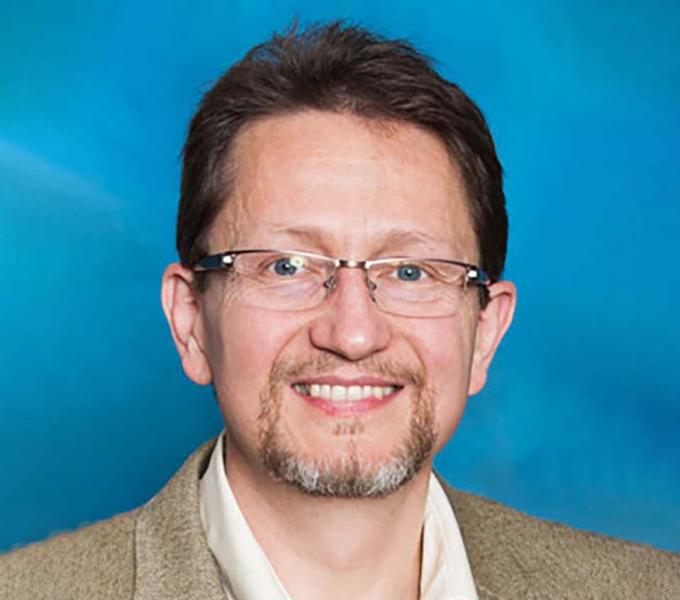
Patrick Dion is an Assistant Professor in the Department of Neurology and Neurosurgery at McGill University's Montreal Neurological Institute-Hospital (The Neuro). His research focuses on identifying novel genetic risk factors in neurological conditions and characterizing the underlying pathogenic events associated with these risk factors. Dr. Dion received his academic training at Canadian institutions: M.Sc. (1987-1989) at Université de Sherbrooke Ph.D. (1990-1995) at Université de Montréal Post-doctoral research at Hospital for Sick Children in Toronto (1995-96) Post-doctoral research at Centre for Research in Neuroscience of McGill University (2014-2016) Dr. Dion's research primarily focuses on neurodegenerative disorders , with particular emphasis on amyotrophic lateral sclerosis (ALS) , essential tremor , and restless legs syndrome . His work on the nuclear pore component, Gle1, in ALS opened new avenues for examining nuclear-cytoplasmic export defects where Gle1 is mislocalized. His research combines genetic analysis with molecular biology to identify and characterize genetic risk factors in neurological conditions, contributing significantly to our understanding of disease mechanisms. Analysis of Dr. Dion's publication record reveals a strong focus on genetic studies of neurodegenerative disorders. His work spans genome-wide association studies, identification of novel genetic variants, and characterization of pathogenic mechanisms. The predominant fields covered in his research include ALS genetics, movement disorders, and the molecular mechanisms underlying neurological conditions, with a particular emphasis on protein mislocalization and genetic susceptibility factors. Dr. Dion is actively involved in research related to neurodegenerative disorders through his membership in the Neurodegenerative Disorders Research Group at The Neuro. His collaborative work has resulted in numerous publications in high-impact journals, demonstrating his significant contributions to the field of neurological genetics and his commitment to advancing our understanding of complex neurological diseases.