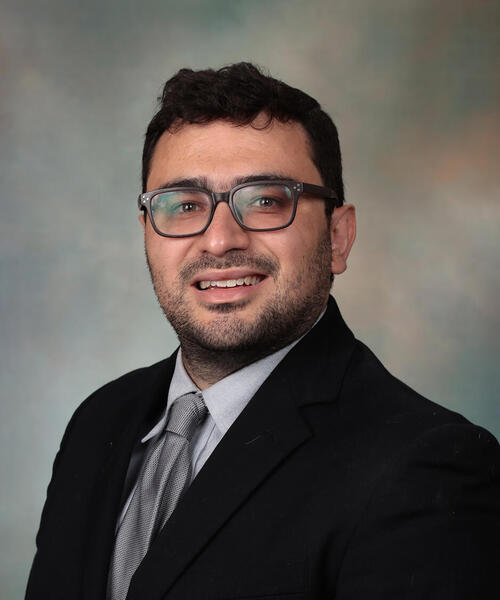
Susmita Kaushik is a Professor in the Department of Developmental & Molecular Biology at Albert Einstein College of Medicine. Her research focuses on chaperone-mediated autophagy (CMA), lysosomal function, and their roles in aging, neurodegeneration, and metabolic disorders. Key Research Themes: Aging, Autophagy, Proteostasis, Lipid Biology, Neurodegenerative Diseases Institutional Affiliation: Albert Einstein College of Medicine, Department of Developmental & Molecular Biology Her work reveals how CMA regulates adipocyte differentiation, interacts with circadian rhythms, and protects against atherosclerosis. Recent publications highlight CMA activation through calorie restriction and its role in proteotoxic stress response. Collaborations with Ana Maria Cuervo and others have advanced understanding of autophagy's dual roles in disease. She contributes to autophagy assay guidelines and explores therapeutic interventions for autophagy dysfunction in Alzheimer's and Parkinson's diseases.
Juan Botas is a Professor at Baylor College of Medicine with joint appointments in the Department of Molecular and Human Genetics and Molecular & Cellular Biology . His research focuses on neurodegenerative disorders , particularly Huntington's, Parkinson's, and Alzheimer's diseases, using Drosophila and mice models to dissect molecular mechanisms and identify therapeutic targets. Botas's lab specializes in high-throughput genetic screens , integrating robotic instrumentation with multi-omics datasets to uncover gene networks driving pathogenesis. Key themes include proteolysis impairment , neuronal compensatory mechanisms , and cross-species validation for drug discovery. Their work has identified critical modifiers like TRIM28 and NUAK1 for tau and huntingtin toxicity. Recent publications highlight studies on glial gene regulation in Huntington's disease, APOE allele interactions in Alzheimer's, and lipid signaling pathways as therapeutic targets. The lab's interdisciplinary approach bridges computational analysis with in vivo models , emphasizing genome-scale screens and neuroprotective strategies .
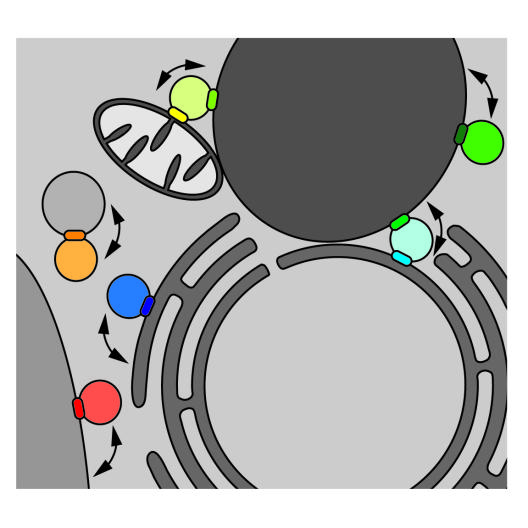
Maria Bohnert serves as Professor at the Institute of Cell Dynamics and Imaging within the Medical Faculty of the University of Münster, where she leads the Bohnert Lab focused on organelle communication and cellular lipid homeostasis. Appointed as Gerty Cori Group leader since September 2018, she actively supervises students through the CiM-IMPRS Graduate Programme and contributes to the Cells in Motion interdisciplinary research cluster. Her academic foundation includes: 2002-2007: Diplom in Molecular Medicine (Dipl.Mol.Med.) from University of Freiburg 2007-2011: Doctor rerum naturalium (Dr.rer.nat) from University of Freiburg 2012-2015: Postdoctoral research at University of Freiburg 2015-2018: Postdoctoral research at Weizmann Institute of Science, Israel Bohnert's research program centers on lipid droplet (LD) dynamics and inter-organelle communication, employing robotic high-throughput microscopy screening to identify molecular players in LD contact sites. Her lab investigates how specialized molecular machines physically link organelles to exchange material and information, with particular focus on LD dysfunction in obesity, diabetes, lipodystrophy, and neurological disorders. This work bridges fundamental cell biology with translational implications for metabolic diseases. Analysis of her recent publications (2020-2025) reveals consistent investigation of organelle contact sites across multiple model systems, with predominant emphasis on lipid droplet interactions with peroxisomes, mitochondria, and vacuoles. Key thematic threads include identification of tethering proteins like Pex3 and seipin partners, metabolic regulation of contact site dynamics, and conserved mechanisms from yeast to mammalian systems. Her work demonstrates increasing methodological sophistication through cryo-EM and live-cell imaging approaches. As supervisor in the CiM-IMPRS Graduate Programme, Bohnert mentors next-generation scientists within the Cells in Motion research environment. Her lab maintains active collaborations with the Multiscale Imaging Centre and participates in the University Hospital Münster's research infrastructure, operating from the Institute of Cell Dynamics and Imaging facility at Von-Esmarch Str. 56.
Kostantin Dobrenis is an Associate Professor in the Dominick P. Purpura Department of Neuroscience at Albert Einstein College of Medicine. His research focuses on neurodegenerative diseases and lysosomal storage disorders, including Tay-Sachs, Sandhoff, Niemann-Pick C, and mucolipidosis IV. He investigates therapeutic strategies to overcome blood-brain barrier challenges and enhance enzyme delivery, such as fusion proteins with tetanus toxin fragments. His lab also explores small molecule therapies like miglustat and cyclodextrin, and neuronal-microglial interactions for CNS therapy. Techniques include molecular biology, animal behavioral assays, and advanced imaging. Research interests emphasize ganglioside biology, microglial roles in neurodegeneration, and lysosomal enzyme transfer mechanisms. Key projects include cyclodextrin efficacy in Alzheimer’s models and NPC disease, as well as genetic mouse models to study disease pathogenesis. The lab collaborates on projects like CSF-1 receptor signaling in microglia and Slc9a6 knockout effects on brain development. His work bridges basic science and translational medicine, aiming to develop therapies for genetic CNS disorders. No awards listed, though his research has been published in high-impact journals like Neurobiology of Disease and Human Molecular Genetics . Advising and grants focus on training researchers in neurodegenerative disease mechanisms. The lab’s future directions include optimizing enzyme delivery systems and understanding microglia-neuron crosstalk in disease.
Sue Griffin is a Professor at the University of Arkansas for Medical Sciences , affiliated with the College of Medicine and the Department of Geriatrics . She holds secondary appointments in Neurobiology & Developmental Science, Pediatrics, Physiology and Cell Biology, and Psychiatry. Her research focuses on neuroinflammation, Alzheimer’s disease, and the role of apolipoprotein E (APOE) genotypes in neurodegenerative pathogenesis. NIH/National Institute on Aging R01AG084472 (2023–2028): Principal Investigator on neuroinflammation, protein aggregates, and autophagy rescue NIH R01HD037989 (2000–2007): Principal Investigator on cytokines in neurodegeneration and Down's syndrome NIH P01AG012411 (1995–2021): Principal Investigator on early events in Alzheimer pathogenesis Her work spans interdisciplinary fields including neuroimmunology, protein homeostasis, and cytokine signaling. Publications highlight connections between inflammation (e.g., IL-1β), amyloid pathology, and genetic risk factors like APOE4. She has contributed to understanding neuroinflammatory mechanisms in Alzheimer’s, Parkinson’s, and Down’s syndrome. Griffin’s recent articles focus on therapeutic strategies targeting autophagy, neuroinflammatory signaling in glioblastoma, and microbial contributions to Alzheimer’s neuropathology. Her research has been supported by NIH grants for over three decades, with collaborations across neurology, genetics, and pharmacology. She is affiliated with the Institute on Aging and the Center for Translational Neuroscience . Her work has been cited in over 50 scientific concepts, including Alzheimer Disease, Epilepsy, and Apolipoproteins E.
Reuben Shaw, PhD, is a Professor and Director of the National Cancer Institute (NCI)-designated Cancer Center at the Salk Institute for Biological Studies. His research focuses on the interplay between cancer and metabolic diseases, particularly the role of the AMPK pathway in suppressing tumor growth and diabetes. Shaw discovered that the LKB1 tumor suppressor gene activates AMPK, linking cancer and diabetes metabolism. His lab develops therapies targeting metabolic vulnerabilities in cancers like lung cancer and metabolic disorders. Education: B.S. Biology, Cornell University Ph.D. Biology, Massachusetts Institute of Technology (MIT) Postdoctoral Fellow, Harvard Medical School Shaw’s research integrates cancer biology, metabolism, and drug development. Key areas include: Metabolic reprogramming in cancer cells Therapeutic potential of diabetes drugs (e.g., metformin) for cancer Mitochondrial repair mechanisms Lipid synthesis inhibition in non-small cell lung cancer Scientific Achievements: Discovered LKB1-AMPK connection, revolutionizing cancer-metabolism research Developed novel therapies targeting fat synthesis (e.g., ND-646) Uncovered mitochondrial stress responses and their role in diseases like Parkinson’s Grants & Collaborations: Shaw collaborates across disciplines at Salk, including metabolism, neuroscience, and plant biology. His work has led to NCI grants and partnerships with institutions like Harvard and MIT. Labs & Teams: Directs the Molecular and Cell Biology Laboratory, leading a team exploring metabolic vulnerabilities in cancer and metabolic diseases. Mentors next-generation researchers and fosters collaborative science.
Karen Ting Chang, PhD , is an Associate Professor of Physiology and Neuroscience at the University of Southern California's Keck School of Medicine. Her research focuses on synaptic plasticity, mitochondrial dynamics, and molecular mechanisms in neurodegenerative diseases and developmental disorders. Using Drosophila models, she investigates how pathways like secretory autophagy, DSCR1 regulation, and integrin signaling affect neural function. Research Trends : Her publications highlight synaptic remodeling, calcium signaling, and cross-disease connections between Down syndrome and Alzheimer's pathology. Key methodologies include genetic models, endocytosis studies, and mitochondrial transport analysis. Contact : Email: changkt@usc.edu
Professor Lyle Armstrong is a leading researcher at Newcastle University specializing in stem cell applications for ophthalmology and retinal disease modeling. His work focuses on developing induced pluripotent stem cell (iPSC)-derived retinal organoids to study inherited retinal disorders, evaluate therapeutic interventions, and understand disease mechanisms. He collaborates extensively with experts including Professor Majlinda Lako and Professor Evelyne Sernagor within Newcastle's research ecosystem. Armstrong's primary research interests include stem cell differentiation into retinal lineages, photoreceptor transplantation for vision restoration, and modeling genetic disorders such as Stargardt disease, retinitis pigmentosa, and age-related macular degeneration. His investigations frequently address mitochondrial dysfunction, splicing defects, and lysosomal storage pathologies in retinal cells. Recent work emphasizes single-cell transcriptomics to map retinal development and optimize disease modeling protocols. Analysis of his 2022-2025 publications reveals a strategic focus on translating stem cell models into clinical applications, particularly through drug screening, toxicity testing, and mechanistic studies of tissue-specific disease phenotypes. His editorial leadership in stem cell-ophthalmology methods underscores his influence in standardizing field protocols. No scientific awards were documented in the provided publication records. While student advising and grant details weren't explicitly listed, Armstrong's role as senior/corresponding author across 50+ publications indicates extensive mentorship of junior researchers. His work involves multidisciplinary teams spanning stem cell biology, genomics, and ophthalmology, though specific lab structures weren't detailed in the source material.
Judith Storch is a Distinguished Professor of Nutritional Sciences at Rutgers University, leading groundbreaking research on intracellular lipid trafficking with direct implications for metabolic diseases including obesity, cardiovascular disorders, and lipid-storage pathologies. Her work focuses on molecular mechanisms of fatty acid-binding proteins (FABP) and Niemann-Pick type C2 protein (NPC2) in cellular lipid transport. Education: Ph.D. in Biochemistry, Columbia University, 1983 Dr. Storch's research program investigates how lipids such as fatty acids and cholesterol are transported within cells, employing transgenic mouse models, patient-derived cells, and advanced biophysical techniques. Her laboratory examines why different cell types express distinct FABP isoforms, how intestinal FABP regulates whole-body energy homeostasis, and NPC2's critical role in cholesterol egress from lysosomes. Current work explores phospholipid-based therapies for Niemann-Pick disease using LBPA enrichment to restore cellular homeostasis. Analysis of her 2018-2021 publications reveals consistent focus on lipid-storage diseases with emphasis on NPC pathology and FABP functions. Key breakthroughs include demonstrating LBPA's therapeutic potential for NPC1 deficiency, establishing RBP2's role in gut signaling and weight regulation, and uncovering metabolic adaptations in FABP-knockout models that confer protection against diet-induced metabolic dysfunction. Scientific Awards: No specific awards documented in source material Dr. Storch directs a multidisciplinary research team utilizing biochemical, biophysical, and molecular approaches to address fundamental questions in lipid metabolism. Her laboratory maintains active collaborations with clinical researchers studying Niemann-Pick disease and develops translational strategies targeting lipid trafficking defects. Current NIH-funded projects investigate phospholipid therapeutics for lysosomal storage disorders and mechanisms linking fatty acid transport to metabolic disease pathogenesis. Her laboratory integrates site-directed mutagenesis, fluorescence spectroscopy, confocal microscopy of Caco-2 intestinal cells, and whole-animal physiology to dissect lipid transport pathways. Ongoing work examines how specific phospholipids modulate NPC protein function and explores FABP isoforms as metabolic regulators in obesity-related pathologies, with therapeutic applications for cardiovascular disease and rare lipid-storage disorders.
Eyleen Jorgelina O'Rourke is an Associate Professor of Biology and Cell Biology at the University of Virginia. She leads the Aging and Obesity Lab and is a member of the Robert M. Berne Cardiovascular Research Center. Her work investigates how conserved gene networks in Caenorhabditis elegans adapt to food availability, focusing on the intersection of aging, obesity, and metabolic disease. Her research employs functional genomics, biochemistry, and physiological approaches to understand how dysfunctional networks contribute to conditions like diabetes and cardiovascular disease. Her research interests center on evolutionary adaptation to nutrient scarcity, using C. elegans as a model to study autophagy, lipid metabolism, and transcriptional regulation. Key areas include nutrient-sensing pathways, autophagy-lipolysis crosstalk, and the role of polyunsaturated fatty acids in lifespan extension. Dr. O’Rourke has secured a Pathway to Independence Award from the NIH’s National Institute of Diabetes and Digestive and Kidney Diseases. Her lab develops high-throughput screening tools and image analysis methods to quantify lipid metabolism and phenotypes in C. elegans , bridging basic science with translational applications. Her research narrative includes collaborative grants focusing on metabolic networks and aging, with a focus on lab-to-clinic translational outcomes. Ongoing work explores how evolutionary conserved mechanisms respond to modern dietary challenges, aiming to identify therapeutic targets for metabolic disorders.
Dr. Yassine El Hiani is an Associate Professor at Dalhousie University in the Department of Physiology and Biophysics (Faculty of Medicine). His research focuses on ion channel biology and its role in cancer pathophysiology, cystic fibrosis, and cellular signaling. He holds a PhD from Université de Picardie Jules Verne (France) and completed a postdoctoral fellowship at Dalhousie University. Education: BA/BSc: Ibn Zohr University, Agadir, Morocco MA/MSc: Université de Picardie Jules Verne, Amiens, France PhD: Université de Picardie Jules Verne, Amiens, France Postdoctoral Fellowship: Dalhousie University, Halifax, Canada Research Interests: Dr. El Hiani investigates ion channel regulation under oxidative stress, particularly in cancer cells and cystic fibrosis. His lab studies mechanisms linking ion channels to cancer metabolism, chemoresistance, and metastasis. Key areas include TRP channel signaling, lysosomal-mitochondrial crosstalk, and anion transport in CFTR/SLC26A9 channels. Research Trends: Recent work emphasizes lysosomal ion channels (TRPML1/TRPML3) as oncogenic drivers, autophagy regulation, and drug resistance mechanisms. Publications highlight therapeutic potential of targeting ion channels in cancer and metabolic diseases. Lab & Mentorship: Actively mentoring students in MSc/PhD programs and undergraduate research projects. Students contribute to manuscripts and conference presentations. Lab emphasizes translational research bridging basic science and clinical applications. Laboratory Location: Tupper Building, Dalhousie University Medical Campus, Halifax, Nova Scotia.
Henrique Borges da Silva, Ph.D., is an Assistant Professor of Immunology at Mayo Clinic in Phoenix, Arizona. He holds dual appointments in the Department of Research and the Department of Cancer Biology, where he leads a research laboratory focused on understanding how extracellular nucleotides regulate CD8-positive T cell immunity in infections and cancer. University: Mayo Clinic School: Department of Research Department: Department of Cancer Biology Academic Rank: Assistant Professor Dr. Borges da Silva earned his Ph.D. in Immunology from the University of Sao Paulo, Brazil, followed by postdoctoral training at the University of Minnesota and the University of Sao Paulo. His research centers on purinergic signaling, particularly the role of the P2RX7 receptor in shaping T cell memory, metabolism, and function. He investigates how extracellular ATP influences transcriptional and metabolic pathways in CD8+ T cells during immune responses, aiming to improve vaccines and immunotherapies. His recent publications reveal a strong trend in understanding the metabolic fitness of memory T cells, the sources and sensing of extracellular ATP in vivo, and the broader roles of purinergic signaling in adaptive immunity. His work spans fundamental immunology, cancer immunotherapy, and infectious disease, with high-impact studies in journals such as Nature , Immunity , and Science Immunology . K99/R00 Career Development Grant, NIH/NIAID (AI139381), 2019–present Associate Membership, Sigma Xi, 2019 Honorable Mention, Best Ph.D. Thesis, University of Sao Paulo, 2015 Dr. Borges da Silva actively mentors students and collaborates on projects involving T cell biology, immunometabolism, and purinergic signaling. His lab employs cutting-edge tools including CRISPR-Cas9, shRNA screening, and in vivo ATP sensing systems. He has contributed to understanding T cell responses in malaria, viral infections, and solid tumors, and his work has implications for developing novel immunotherapeutic strategies. His laboratory is actively involved in studying tissue-resident memory T cells, metabolic reprogramming, and the role of ion channels and purinergic receptors in immune regulation. Collaborations span immunology, oncology, and infectious disease research, contributing to Mayo Clinic's comprehensive cancer and immunology programs.
Dr. Surendra Sharma serves as Professor in Obstetrics & Gynecology and Adjunct Professor in Pediatrics at the University of Texas Medical Branch School of Medicine, where he directs significant NIH-funded research on pregnancy complications and immunological mechanisms. His research centers on preeclampsia pathogenesis, investigating inflammatory pathways, placental dysfunction, and novel connections to neurodegenerative disorders through protein misfolding mechanisms. Key interests include interleukin-10 regulation, trophoblast biology, B-cell immunity, and microbiome interactions in reproductive health, with emphasis on translational applications for early detection and intervention. Recent publications reveal converging trends in proteinopathy/tauopathy pathways linking preeclampsia to dementia, autophagy modulation for therapeutic development, and microbiome dynamics in vaginal infections. His work demonstrates consistent innovation in connecting obstetric complications with systemic physiological processes. Dr. Sharma currently leads two major NIH projects: an R01 grant from NICHHD (2024-2029) targeting protein degradation therapies for preeclampsia, and an NIAID-funded study (2021-2025) investigating immune-activating microvesicles in preeclampsia pathogenesis, reflecting his dual focus on mechanistic understanding and clinical translation.
Domenico Praticò, MD, FCPP is a Professor in the Department of Neural Sciences at Lewis Katz School of Medicine, Temple University, and the Founding Director of the Alzheimer's Center at Temple. His research focuses on clinical pharmacology, oxidative biology, and neurodegeneration. MD, University of Rome "La Sapienza" (1986) Internship, Residency, and Fellowship at University of Rome "La Sapienza" Cardiovascular Science Fellowship, University of Dublin (1994) Dr. Praticò investigates the role of bioactive oxidized lipids, oxidative stress, and neuroinflammation in aging, Alzheimer's disease, and cardiovascular disorders. His lab employs cellular and animal models to translate findings into human disease understanding. Recent publications highlight his work on Alzheimer's disease mechanisms involving non-coding RNAs, endosomal trafficking, lipid metabolism, autophagy, and vascular contributions. His studies bridge neurobiology, cardiovascular research, and translational medicine. Fellow of the Center for Clinical Pharmacology (FCPP) His lab integrates in vitro systems and transgenic mouse models to study APP processing, Aβ metabolism, tau pathology, and synaptic dysfunction. The Pratico Lab emphasizes drug discovery for neurotherapeutics and biomarker identification.
Hugo Fernandes is a Junior Research Fellow and Group Leader in the Department of Physiology, Anatomy and Genetics at the University of Oxford. He leads a research group focused on understanding early neuronal dysfunction in Parkinson’s and Alzheimer’s diseases, utilizing patient-derived stem cell models to explore lipid dysfunction as a disease mechanism. His work aims to identify novel therapeutic targets to improve patient outcomes. Fernandes holds a DPhil in Neurodegeneration from the University of Oxford (2014) and is affiliated with the Kavli Institute for Nanoscience Discovery. His research interests emphasize stem cell-based disease modeling, lipid metabolism in neurodegeneration, and the application of advanced omics technologies. Key focuses include proteostasis disruptions, mitochondrial dysfunction, and the interplay between genetic mutations (e.g., GBA1, MAPT) and cellular stress pathways. Recent publications highlight his team’s exploration of CRISPR-based genetic screens, single-cell omics, and neuroprotective interventions. Their studies reveal novel insights into lipid dysregulation, ER stress, and therapeutic candidates like KAT2B inhibitors. While no formal students are listed, his group actively contributes to collaborative projects in neurodegenerative disease research. Fernandes’ work integrates molecular, cellular, and systems-level approaches to bridge basic science and clinical translation, with a focus on developing precision medicine strategies for Parkinson’s disease.