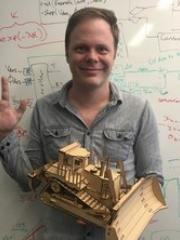
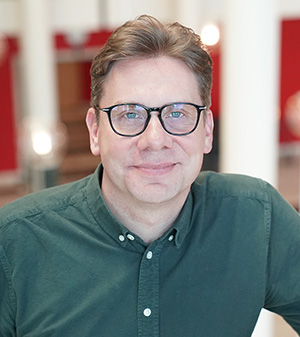
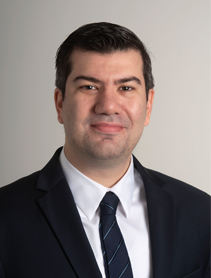
Sylvain Wagnon is a Professor of Educational Sciences at the Faculty of Education, University of Montpellier, where he serves as head of the Cedrhe (Center for the History of Education UM) and is a member of the Lirdef research unit. Holding both agrégation and a doctorate in history, his academic work bridges historical scholarship with contemporary educational challenges. His research focuses on the history of alternative and libertarian education pedagogies, the evolution of school practices and tools, and the current challenges facing non-traditional educational approaches. Wagnon examines how historical educational practices inform contemporary debates, particularly regarding material culture in schools, children's rights in public spaces, and the relationship between urban environments and educational experiences. Wagnon's recent publications reveal a consistent thematic thread exploring how physical objects and spaces shape educational experiences. His work on school bags as cultural artifacts, anarchist educational figures like Spirus Gay, and the 'no kids' movement demonstrates his commitment to understanding education through historical and material lenses. His research consistently connects historical educational practices to contemporary policy debates, particularly regarding children's autonomy and rights in public spaces. His scholarly contributions address critical questions about how educational spaces can be reimagined to better serve children's developmental needs while respecting their rights as citizens. Through examining historical precedents, Wagnon provides valuable perspective on current debates about outdoor education, school gardens, urban design for children, and alternative pedagogical approaches. Wagnon actively contributes to public discourse through publications in platforms like The Conversation, where he translates academic research into accessible commentary on pressing educational issues. His work bridges academic scholarship with practical implications for educators, policymakers, and parents seeking to create more child-friendly educational environments.