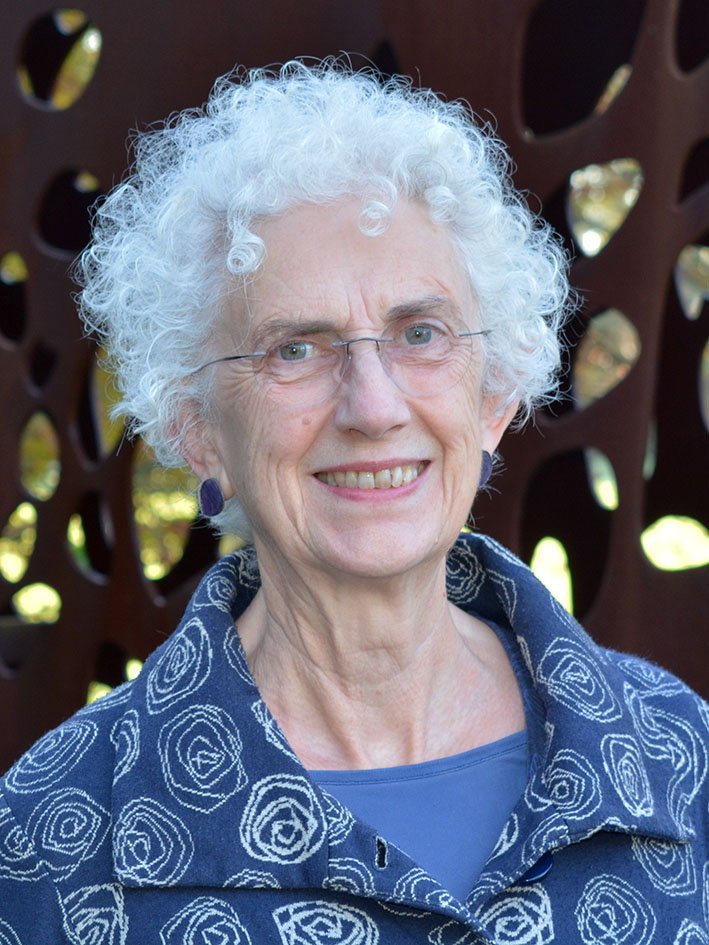
Shannon Kerwin, PhD, is a Professor and Graduate Program Director in the Sport Management department at Brock University. Her research focuses on organizational behavior, human resource management in sports, and gender equity, particularly how values alignment and HR practices impact equitable outcomes and safe sport cultures. She co-authored the 3rd edition (2025) of Managing People in Sport Organizations and serves as Senior Associate Editor for the Journal of Sport Management . Dr. Kerwin’s work emphasizes DEI policies in non-profit sport organizations, volunteer board dynamics, and gender equity in governance. Her research also explores conflict resolution in boards and the experiences of women coaches and marginalized groups in sport. She actively contributes to professional networks like the Wasserman Collective Think Tank. Her articles critically analyze organizational policies, volunteer roles, and gender representation, often linking structural factors to equitable outcomes. Teaching focuses on HRM in sport, research methodologies, and quantitative analysis. Dr. Kerwin supervises graduate students in Human Resource Management and undergraduate independent studies, fostering academic and professional development in sport management.
Heike Heidemeier is a Professor and Head of the Department of Work, Organizational and Business Psychology at the Department of Psychology and Psychodynamics, Karl Landsteiner Private University of Health Sciences, Austria, a position she has held since September 2022. Her academic journey includes prior professorships at the University of Kassel and PFH Göttingen, and academic roles at Jacobs University Bremen and RWTH Aachen. Her research focuses on intrapsychic processes such as self-regulation, motivation, and self-assessment in the workplace. She investigates how individuals set goals, respond to feedback, and how work context factors like team competition, autonomy, and gender composition influence performance and well-being. Her work bridges theoretical and applied psychology, contributing to organizational design, coaching, and leadership practices. Current research interests include demographic diversity, ethical behavior in organizations, psychological coping with uncertainty, and lifelong learning. The recent publications highlight a strong trend in work and organizational psychology, particularly in self-regulation, job satisfaction, gender dynamics in teams, and assessment in aging. A notable interdisciplinary contribution appears in medical imaging, co-authored with medical researchers, indicating collaborative work across fields, though her primary research domain remains organizational psychology. She is actively involved in research funding, currently serving as Principal Investigator (PI) on an Austrian Science Fund (FWF) project titled 'Demographic Diversity in Groups' (2025–2028), demonstrating ongoing research leadership. She also organizes academic events, such as the AOW-Plattformtreffen 2025. Prof. Heidemeier emphasizes the professional diversity of work and organizational psychology, advocating for its applications in personnel diagnostics, management consulting, stress prevention, and coaching. She integrates psychometric and diagnostic methods into both research and teaching, aiming to prepare students for diverse career paths in applied psychology.
Stuart T. Haines is Professor (with tenure) and Director of the Division of Pharmacy Professional Development at the University of Mississippi School of Pharmacy. He previously served as Professor and Vice Chair for Clinical Services at the University of Maryland School of Pharmacy from 1994 to 2016. He is a recognized leader in pharmacy education, clinical practice, and national pharmacy organizations. Education: Bachelor of Science in Pharmacy, Massachusetts College of Pharmacy and Health Sciences (1985) Doctor of Pharmacy, University of Texas at Austin (1994) PGY1 Hospital Pharmacy Residency, Brigham and Women's Hospital (1986) PGY2 Ambulatory Care Pharmacy Practice Residency, University of Texas Health Science Center at San Antonio (1994) Master's Certificate in Instructional Systems Development and Distance Education, University of Maryland Baltimore County (2001) Dr. Haines' research and scholarly interests center on evidence-based practice, ambulatory care, diabetes mellitus, cardiovascular disease, and instructional methods in pharmacy education . His work emphasizes the development of clinical competencies, educational innovation, and improving patient outcomes through pharmacist-led care models. He has been instrumental in advancing the use of Entrustable Professional Activities (EPAs) in pharmacy education and promoting scholarly teaching. His recent publications (2020–2025) reflect a strong focus on pharmacy education reform, clinical scholarship, assessment methodologies, and professional advocacy . Themes include situational judgment testing, learner motivation, residency training outcomes, faculty evaluation, and the role of pharmacists in public health policy. His work appears predominantly in leading pharmacy journals such as JACCP, AJPE, and AJHP. Scientific Awards and Honors: Fellow, American College of Clinical Pharmacy (FCCP) Fellow, American Pharmacists Association (FAPhA) Fellow, American Society of Health-System Pharmacists (FASHP) Fellow, National Academies of Practice (FNAP) Board Certified Pharmacotherapy Specialist (BCPS) Board Certified Ambulatory Care Pharmacist (BCACP) Dr. Haines has served in numerous leadership roles, including Immediate-Past President of the American Association of Colleges of Pharmacy (AACP) and Past President of the American College of Clinical Pharmacy (ACCP). He is Editor-in-Chief of the Journal of the American College of Clinical Pharmacy (JACCP) and an editor for DiPiro’s Pharmacotherapy: A Pathophysiologic Approach . He has mentored numerous educators and contributed to national task forces on ambulatory care specialization and EPA development. He has also served on multiple editorial boards and peer review panels. He leads the Division of Pharmacy Professional Development at the University of Mississippi, which focuses on advancing educational practices and faculty development in pharmacy. His work bridges clinical practice, education, and policy, making him a key figure in shaping the future of the pharmacy profession.
Cathryn Meredith is a Lecturer at Northumbria University, affiliated with the Department of Social Work, Education and Community Wellbeing within the Faculty of Health and Life Sciences. She divides her time between teaching across pre- and post-qualifying Social Work Programmes and conducting doctoral research on the intersection of the Mental Capacity Act 2005 and adult safeguarding practice. MA in Social Studies/Science, 2001 Diploma in Social Work, 2001 BA (Hons) in English, 1997 Post Graduate Certificate in Higher Education Practice (PGHEP), 2015 Fellow of the Higher Education Academy (FHEA), 2015 Best Interests Assessor (DoLS BIA), 2010 Post Qualifying Award in Social Work (PQ SW), 2003 Her research and teaching are deeply rooted in rights-based social work, with a focus on professional decision-making around risk, autonomy, and statutory obligations, particularly in high-risk scenarios involving individuals with mental health conditions such as borderline personality disorder. She explores ethical tensions between promoting self-determination and managing unacceptable risk, and investigates how safeguarding frameworks apply to complex family dynamics, including parental victimization. Her recent publications highlight a strong trend in simulation-based education, care ethics during the pandemic, and the evolution of legal safeguards for vulnerable adults. She has contributed significantly to curriculum development using simulation and has published on the transition from Deprivation of Liberty Safeguards to Liberty Protection Safeguards. Fellowship of the Higher Education Academy (FHEA), 2015 Shortlisted, Northumbria University Student Led Teaching Awards 2016 (Final 3) Cathryn Meredith actively supervises and collaborates on research projects, particularly in social work education and policy development. She works closely with colleague Carole Southall on training initiatives for children’s social work and Safeguarding Adults Reviews. Her work bridges academic research and frontline practice, ensuring that teaching is informed by current policy and real-world challenges. She has presented at national conferences and contributes to professional development through workshops and invited talks. She is involved in developing innovative pedagogical approaches, particularly through simulation-based learning, and advocates for the integration of lived experience in research and education. Her work reflects a commitment to ethical, person-centered practice and the continuous improvement of social work training and policy.
Prof. Dr. Alparslan OKUR is a faculty member at the Department of Turkish and Social Sciences Education, Faculty of Education, Sakarya University. He holds the academic rank of Professor and is actively involved in teaching, research, and academic service. His work primarily focuses on Turkish language education, especially teaching Turkish as a foreign language, curriculum development, and educational methodologies. His research interests include: Turkish Language Teaching Teaching Turkish as a Foreign Language (TFL) Second Language Acquisition Curriculum and Material Development Vocabulary Instruction Reading, Listening, and Speaking Skills Educational Technology and Digital Storytelling Media Literacy and Cultural Transmission The recent scholarly articles indicate a strong focus on language teaching methodologies, learner perception, critical listening, educational games, and digital tools in language education. His work often involves comparative and curriculum-based analyses, particularly in the context of Turkish as a foreign language. There is also a recurring emphasis on cultural elements, values education, and the integration of intangible cultural heritage into teaching materials. His scientific awards include: Makale teşvik ödülü, Sakarya Üniversitesi Bilimsel Araştırmalar Proje Koordinatörlüğü (2012) Yayın Teşvik, TÜBİTAK (2012) Prof. Dr. OKUR has supervised numerous graduate theses at both master's and doctoral levels. His advisees have conducted research on topics such as critical listening, digital storytelling, vocabulary in TFL, refugee students’ speaking anxiety, and cultural transmission in language teaching. He has also led or participated in research projects funded by the university and TÜBİTAK, particularly in the areas of motivation in Turkish teaching and curriculum evaluation. He has served as editor and editorial board member for several academic journals, including Sakarya University Journal of Education , Turkish Studies , and Mehmet Akif Ersoy Üniversitesi Eğitim Fakültesi Dergisi . He has also contributed to book chapters and authored/co-authored multiple books on teaching Turkish, especially for foreigners, covering grammar, vocabulary, distance learning, and digital methods.
Maria Dolores Cañabate Ortiz is a Senior Lecturer in the Department of Specific Didactics at the University of Girona, Catalonia, Spain. She is the Principal Investigator of the GREPAI Research Group (Education, Heritage and Arts Intermedia) and Coordinator of the Spanish Network of Cooperative Learning. Her academic work bridges pedagogy, physical education, and the arts, with a strong commitment to sustainable and transformative education. Her research focuses on two interconnected domains: Reflective and Cooperative Learning in higher education, emphasizing sustainable development, active methodologies, and student identity; and Movement and Bodily Expression in education, exploring dance, body-percussion, emotional regulation, and embodied learning. She investigates how movement-based strategies foster cognitive, emotional, and social growth across educational levels. Her recent publications (2020–2025) appear in high-impact journals such as Sustainability , Education Sciences , Frontiers in Education , and International Journal of Education & the Arts . The body of her work reveals a consistent trend toward interdisciplinary, collaborative, and student-centered pedagogies, with increasing integration of STEAM, metacognition, and gender perspectives. She frequently collaborates with international scholars, particularly in Lithuania and other European countries. Principal Investigator, GREPAI Research Group Coordinator, Spanish Network of Cooperative Learning Editor of books on Physical Education and Cooperative Challenges Active contributor to policy and practice in teacher training and physical education reform She mentors emerging scholars and leads innovative projects that connect physical education with mental health, creativity, and social inclusion. Her work includes designing rubrics for meaningful PE, evaluating cooperative learning dimensions, and promoting gender equity through pedagogical interventions. She has no listed scientific awards in the provided text. Her research is supported through institutional affiliations and collaborative networks rather than explicit grant mentions. Dr. Cañabate is deeply involved in laboratory and team-based research through GREPAI, which integrates education, heritage, and intermedia arts. The group fosters dialogic and cooperative learning through visual narratives, theatrical contexts, and movement-based performing arts. Projects often involve community engagement, including initiatives with elderly populations and victims of gender-based violence, demonstrating a strong commitment to social justice and inclusive education.
Mette Marit Jenssen serves as an Associate Professor at Inland Norway University of Applied Sciences within the Faculty of Teacher Education and Pedagogy, affiliated with the Center for Practice-Oriented Educational Research. Based at the Hamar campus (Room 2M32-1, Kirsten Flagstads House), she has been employed at SePU (Center for Teacher Education) since 2014. Her primary roles include study program management for the Master in Educational Leadership and teaching in principal education programs developed jointly with Oslo Metropolitan University (Oslo MET). Her educational background features a Master's degree in mental health work and general teacher qualifications. She is currently completing a doctoral thesis examining professional learning communities in schools as vehicles for collective learning and teaching enhancement. Her research expertise centers on improvement work management, quality assessment/development, educational analysis, professional learning communities, and educational leadership, with emphasis on practical implementation within Norwegian school contexts. Jenssen's publication trends from 2020-2025 reveal deep engagement with professional learning communities and school quality systems. Her work analyzes leadership strategies for student participation, organizational change during school mergers, core practices for quality management, and the translation of collective reflection into pedagogical practice. Publications span international journals like Educational Management Administration & Leadership and Norwegian academic presses, consistently bridging theoretical research with actionable school improvement frameworks. Scientific Awards: No awards, fellowships, or medals were documented in the provided materials. As Master in Educational Leadership program manager, she oversees curriculum development and academic operations. Her project employment includes regional initiatives like Kongsberg's 'Alle med', Hamar's 'Inclusive learning environment', and 'Competence development of Free Schools in Innland region', though specific grant amounts or external funding sources remain unspecified. No formal student advising relationships are explicitly mentioned. She actively contributes to the Center for Practice-Oriented Educational Research, which drives applied projects connecting academic findings to classroom practice. This hub focuses on generating actionable knowledge for school quality development through structured collaboration with regional educational institutions.
Jorunn Aas Handeland (born 1975 in Oslo) is an Associate Professor at the Department of Health and Nursing Sciences, University of Agder, Norway. With a nursing background since 1997 and a master’s degree in health sciences from 2012, she has extensive clinical experience in cancer care (Rikshospitalet, Radiumhospitalet, Linköping University Hospital) and psychiatric health care (Tøyen District Psychiatric Center, Lovisenberg Hospital). She transitioned to academia in 2012 and joined the University of Agder in 2017. BSc in Nursing (Diakonhjemmet University College, 1997) BA in Sociology (Linköping University, 2002) Master’s in Health Sciences (University of Oslo, 2012) PhD in Professional Learning, Technology, and Nursing (University of Agder, 2024) Her research focuses on professional learning, simulation technology, and student involvement in research. She is a specialist in qualitative methodologies, particularly action research and participatory approaches. Her doctoral work explored manikins’ role in mediating lifelong learning skills in nursing education. Recent publications highlight simulation-based education’s impact on nursing students’ clinical reasoning and empathy. Her work bridges technology integration with practical training, emphasizing experiential learning. She serves as a simulation facilitator and has contributed to medication management pedagogy. From 2024, she will lead the bachelor’s nursing program at UiA’s Grimstad campus. As an educator, she teaches clinical nursing, medication management, and scientific theory across all three years of the bachelor’s program. Her leadership roles include unit management in clinical settings and program coordination.
Max Paul Rosen is a Chair and Professor at UMass Chan Medical School , holding the UMass Memorial Chair in Radiology . He is affiliated with multiple departments including Radiology, NeuroNexus Institute, Masters in Clinical Investigation, MD/PhD Program, and Population Health Sciences. Education: BS in Psychology from Brown University MD from Tufts University School of Medicine MPH from Harvard University School of Public Health Rosen's research interests span Radiology , Diagnostic Imaging , and Medical Informatics , with a focus on: Improving communication in radiology AI applications for radiology reports Pandemic impacts on imaging practices Economic models for radiologists Simulation-based training Public health implications of imaging technologies His selected publications highlight trends in radiology during the pandemic, AI integration , and healthcare economics . Key articles include analyses of CT scan interpretation, vaccine-related imaging dilemmas, and communication training effectiveness. While no specific scientific awards are listed, Rosen has contributed extensively to radiology education through simulation-based communication curricula and has advised on imaging protocol standardization via ACR Appropriateness Criteria.
Prof. Dr. Swantje Weinhold is a Professor in the Department of German Language Didactics at the School of Education, Leuphana University of Lüneburg. Her academic career has been dedicated to the didactics of German language, with a particular focus on spelling instruction, literacy acquisition, and written language development in educational contexts. Her research interests span multiple areas within language education, including spelling instruction methodologies, literacy acquisition processes, written language development, teacher education, language didactics, phonological awareness, and orthographic development. She has developed a strong research profile examining how children learn to write and spell, with particular attention to syntax-based capitalization approaches and developmental trajectories in spelling competence. Analysis of her recent publications reveals a consistent focus on the intersection of theory and practice in language education. Her work demonstrates a commitment to developing evidence-based approaches to spelling instruction that can be implemented in real classroom settings. She has particularly emphasized the importance of systematic approaches to teaching orthography from the earliest school years, challenging traditional assumptions about when certain spelling competencies can be developed. Prof. Weinhold has been actively involved in numerous research and development projects, including the 'Adaptive teacher action in primary school spelling instruction (ADLER)' project and initiatives focused on theory-practice integration in teacher training. Her work often involves collaboration between university researchers, teacher educators, and classroom teachers to develop and test innovative approaches to language instruction. She has served as editor for professional journals including 'Didactics German' (2008-2022) and 'The Primary School Magazine' (since December 2015), demonstrating her commitment to bridging research and practice. Prof. Weinhold has also organized and moderated major academic events including the 21st and 22nd Symposium on German Didactics, providing platforms for scholarly exchange in her field.
Anne-Françoise Gibert is a Researcher at the French Institute of Education , specializing in Education for Sustainable Development (ESD) , Climate Change Education , and Biodiversity Integration in Curricula . Her work bridges ecological urgency with pedagogical innovation, emphasizing outdoor learning, curriculum reform, and interdisciplinary approaches to climate literacy. Research Trends: His articles focus on: Reconnecting education with nature through outdoor pedagogy Advancing climate citizenship via debates and systemic thinking Integrating energy and climate interdependencies into teaching Policy advocacy for sustained environmental curriculum presence Agroecological transitions in vocational education His collaborations include the UNESCO Chair 'Training Teachers for the 21st Century' , the DGER , and The Shift Project .
Professeure agrégée at Université de Sherbrooke since 2018, Otilia Holgado specializes in vocational education, andragogy, and professional competency development. Her research focuses on work-based learning, didactic analysis of vocational practices, and the use of educational technologies to enhance adult learning. She has led multiple funded projects, including grants from FRQSC and CRSH, and co-organized international colloquia on professional didactics. Education: PhD in Educational Sciences (2011), Université de Bourgogne DESS in Cartographic Management (1999), Université de Paris VI DEA in Hydrology (1998), Université de Paris VI Engineer's Degree in Geology (1996), Université de Paris VI Research Trends: Recent publications highlight her work on professional learning through conceptualization, evaluation practices in vocational training, and the interplay between autonomy and institutional prescriptions. She explores how professional intuition shapes learning and how workplace environments interact with educational frameworks. Scientific Awards: Prix institutionnel Grande distinction en enseignement universitaire (2015-2016), Université de Sherbrooke Grants & Collaborations: Holgado has secured significant funding for projects like the Observatoire de la formation professionnelle au Québec and initiatives bridging school-to-work transitions. She collaborates internationally as a UNESCO expert and organizes key conferences in professional didactics.
Sawsen Lakhal is a Professor and Vice-Dean at the University of Sherbrooke's Faculty of Education , specializing in educational technologies, blended learning, and student persistence in higher education. She has led and co-led numerous research projects on digital pedagogy, professional integration, and educational assessment. Education: Ph.D. in Educational Administration and Evaluation, Université Laval (2012) M.A. in Instructional Technology, Université Laval (1997) Postgraduate Diploma in Business Administration, Université de Tunis (1995) B.A. in Higher Commercial Studies, Université de Tunis (1993) Her research focuses on blended and online learning dynamics , student engagement, UTAUT model applications, and educational assessment in digital environments. Recent work examines comodal course design, HyFlex models, and the role of technology in lifelong learning. Key scientific awards include: finalist for the Faculty of Education's research catalyst award (2017), Université Laval's doctoral excellence award (2012), and Tunisian Ministry of Higher Education tuition exemption (1997). She has secured over $5 million in research grants from FRQSC, SSHRC, and Canadian government programs. Lakhal's grant portfolio includes principal investigator roles on projects like "Explanatory Model for Student Persistence in Higher Education" ($191,466 SSHRC), "CRIFPE Research Center Recognition" ($180,000), and "Non-Monetary Recognition in School Staff Retention" ($173,491). She has also contributed to international conferences on HyFlex pedagogy, educational technology, and professional integration.
Øystein Gilje is a Professor at the Department of Teacher Education and School Research (University of Oslo). His work bridges digital learning, multimodal analysis, and educational technology. He leads projects like MulVu (multimodal assessment) and GEPP (one-to-one classroom practices). Current: Agile EDU, LAT (Learning in Algorithmic Age) Past: Ark&App (teaching materials), Knowledge in Motion (2012–2015), Learning Lives (2010–2013) Research focuses on multimodal texts , digital pedagogy , and ICT integration . Funded by NFR, Norwegian Directorate of Education, and applied media research councils. His publications analyze semiotic technologies, educational chronotopes, and youth media practices. Teaching history includes PhD courses at Southern Danish University (2010) and master’s seminars (2006–2008). He served on the Complaints Board for Film and Videograms (2010–2012) and as a union representative (2007–2008). Background: General teacher (1989–2000), journalist (2002–2005), PhD in media education (2004–2009).
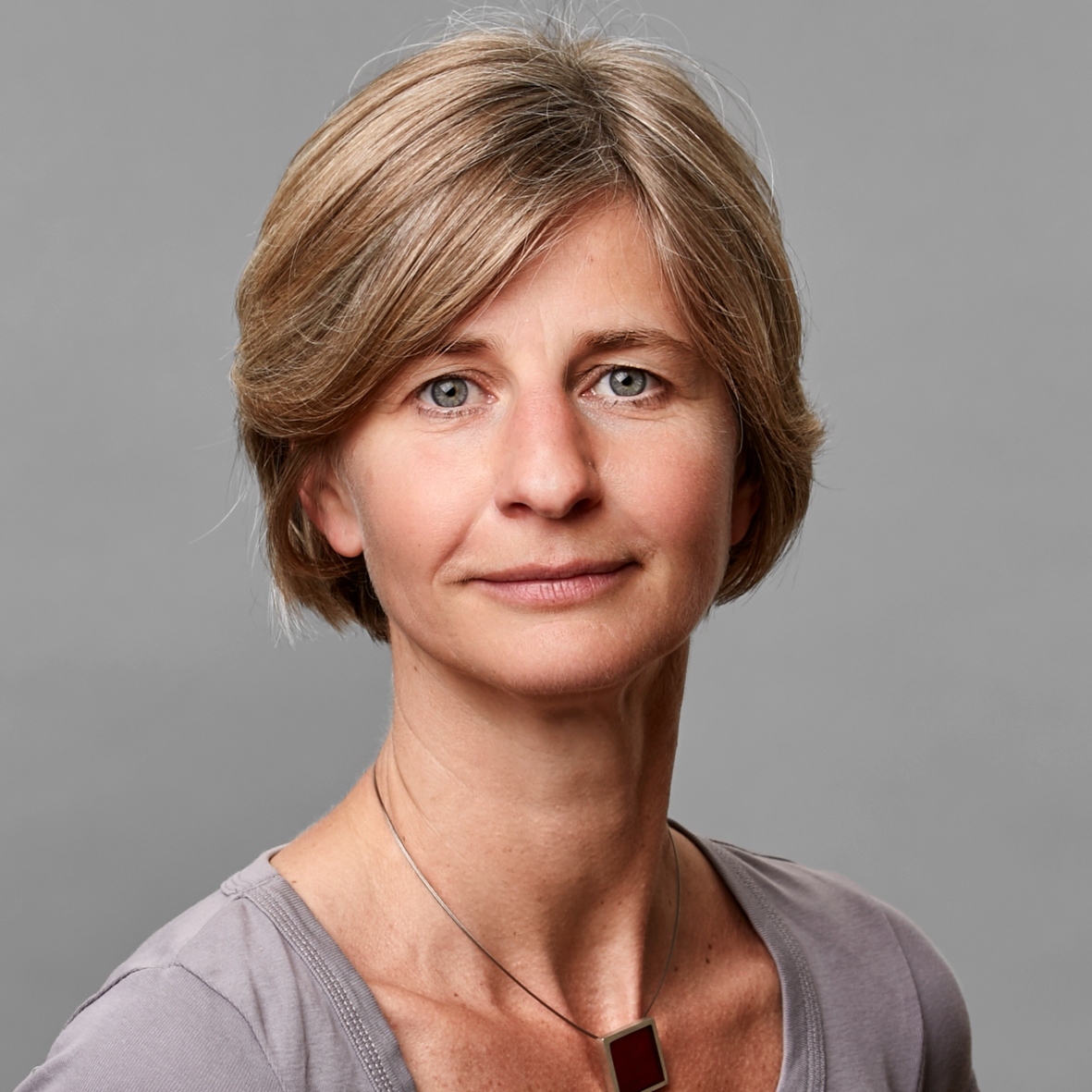
Dr Ethel Burns is a Senior Lecturer in Midwifery at Oxford Brookes University, where she is also the Research Group Lead for Maternity Care (OxMater) within the Oxford School of Nursing and Midwifery. She plays a pivotal role in teaching, research supervision, and advancing midwifery practice through national and international collaborations with institutions such as the National Perinatal Epidemiology Unit, King’s College London, University of Nevada Las Vegas, and Georgetown University. Her research interests are centered on optimizing maternal physiology and wellbeing during labour and birth, with a strong focus on water immersion, waterbirth, aromatherapy, and equitable access to care. She is particularly interested in non-pharmacological comfort measures, visual blood loss estimation, and the experiences of midwives and women in community and obstetric settings. Her work bridges clinical practice, education, and evidence synthesis. The trends in her recent publications reflect a sustained commitment to high-impact, evidence-based midwifery research. Her work spans systematic reviews, observational studies, qualitative investigations, and educational tool development. A major theme is the rigorous evaluation of waterbirth safety and benefits, supported by large datasets and international collaboration. She also explores decision-making, service user involvement, and implementation challenges in maternity care. Member of IRIS, an Italian multiprofessional organization for maternity service improvement Dr Burns actively supervises BSc, MSc, and PhD students, including co-directing a PhD on community midwives' management of childbirth emergencies. She has led grant-funded projects, notably the development of estiMATE—an open-access online tool launched in 2024 to improve midwives' accuracy in estimating blood loss during waterbirth. Her research has directly influenced clinical guidelines and practice, particularly in the UK. She leads the Maternity Care (OxMater) research group, fostering interdisciplinary collaboration and mentoring early-career researchers. Her leadership in Cochrane reviews and national surveys (e.g., UKMidSS) underscores her role in shaping evidence-based midwifery policy and practice.





.jpg)