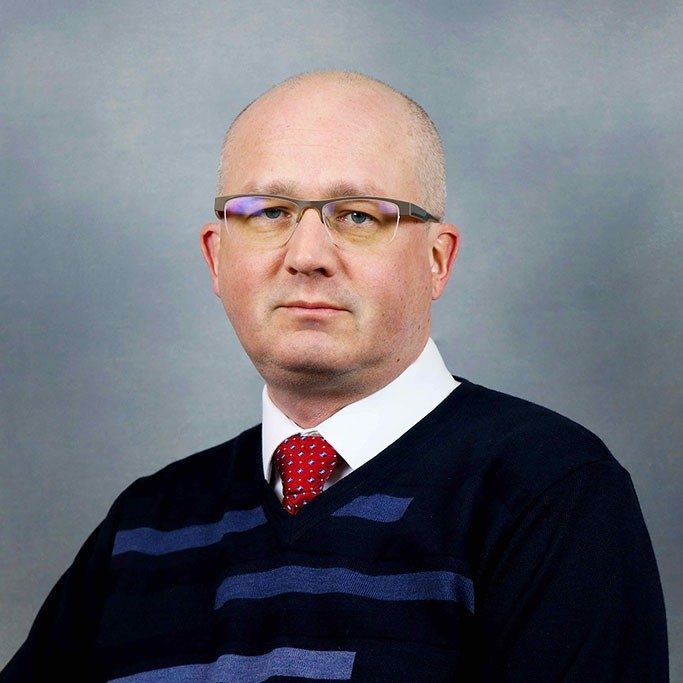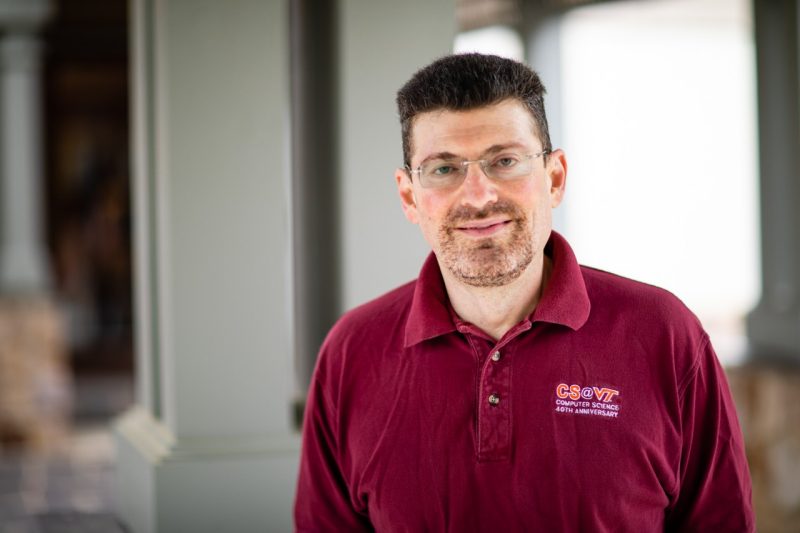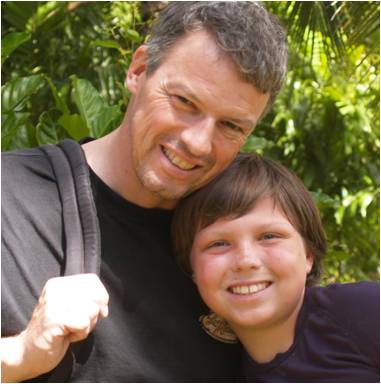
Martin Fischer is Professor of Civil and Environmental Engineering and (by courtesy) Computer Science at Stanford University. He serves as Director of the Center for Integrated Facility Engineering (CIFE), Senior Fellow at the Precourt Institute for Energy, Coordinator of Building Energy Efficiency Research at the Precourt Energy Efficiency Center, and is affiliated with both the Woods Institute for the Environment and the Emmett Interdisciplinary Program in Environment and Resources. His educational background includes a PhD in Civil Engineering from Stanford University, though specific dates and other degrees are not mentioned in the provided text. His research focuses on developing methods and tools for improving the sustainability of the built environment through better integration of design, construction, and operation processes. Fischer's research interests center around 4D modeling (3D plus time) for construction scheduling, virtual design and construction, and building energy efficiency. He has pioneered approaches that enable project managers to create and update schedules rapidly while integrating temporal and spatial aspects of construction through intelligent 4D models. His work has significantly influenced how construction projects are planned, executed, and managed, particularly in the areas of sustainable building practices and energy efficiency. His publication record shows a consistent focus on facility engineering, construction management, and the application of advanced computational methods to construction challenges. His most recent work demonstrates increasing emphasis on sustainability, energy efficiency, and climate change impacts on infrastructure. Fischer has advised an extensive number of graduate students throughout his career, with former PhD students now holding prominent positions at universities worldwide and in industry. His teaching includes undergraduate and graduate courses on sustainable building projects, renewable energy infrastructure, and climate change impacts on seaports. He leads the Center for Integrated Facility Engineering, which serves as a hub for interdisciplinary research connecting engineering, computer science, and environmental studies to address challenges in the built environment. The center collaborates with industry partners to develop practical applications of research findings.