Ryan Hoilandمشاهده پروفایل
استادیار
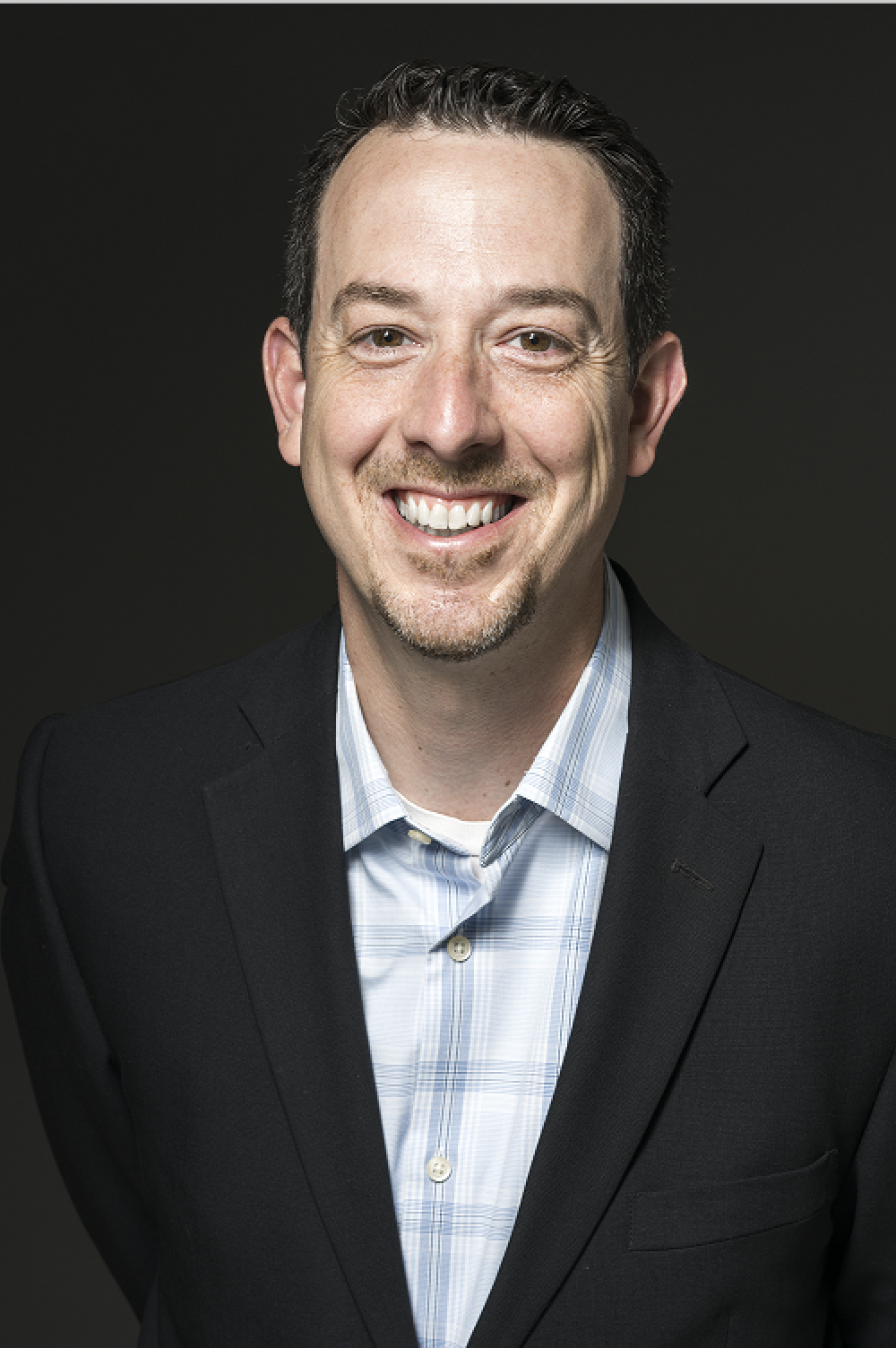
Ryan Hoiland is an Assistant Professor in the Department of Cellular & Physiological Sciences within the Faculty of Medicine at the University of British Columbia. He is part of the Southern Medical Program (SMP) and serves as an Investigator within the Centre for Chronic Disease Prevention and Management (CCDPM). Dr. Hoiland completed his educational journey at the University of British Columbia, earning his BHk (2009-2013), MSc (2013-2015), PhD (2015-2018), and Postdoctoral Fellowship (2018-2023). Dr. Hoiland's research focuses on cerebrovascular physiology and human adaptation to hypoxia. His work investigates how the central nervous system responds to hypoxia in various contexts, including pre-clinical disease models, healthy humans, and patients. Specific areas of interest include the pathophysiology of hypoxic-ischemic brain injury, traumatic spinal cord injury, and strategies for mitigating secondary hypoxic injury. His research spans neurocritical care, cardiac arrest recovery, and high altitude physiology, providing insights into brain oxygenation mechanisms and potential therapeutic interventions. Analysis of Dr. Hoiland's publication record reveals a strong interdisciplinary approach connecting physiology, neurology, and critical care medicine. His work demonstrates consistent focus on cerebral blood flow regulation, oxygen delivery mechanisms, and biomarker development for neurological outcomes following hypoxic events. The research shows progression from basic physiological mechanisms to clinical applications, particularly in cardiac arrest care where understanding the cerebral oxygen cascade has direct patient care implications. Dr. Hoiland maintains an active research laboratory and has indicated that his team is seeking graduate students and postdoctoral fellows, demonstrating ongoing research activity and likely grant funding to support trainees in cerebrovascular physiology research. Dr. Hoiland leads a research laboratory focused on cerebrovascular responses to hypoxia, with particular emphasis on translational applications for patients experiencing brain injury following cardiac arrest or other hypoxic events. The lab appears to utilize both human and pre-clinical models to investigate physiological mechanisms and potential interventions.