- Evolutionary Biology
- Genetics
- Genomics
- +۶ مورد دیگر
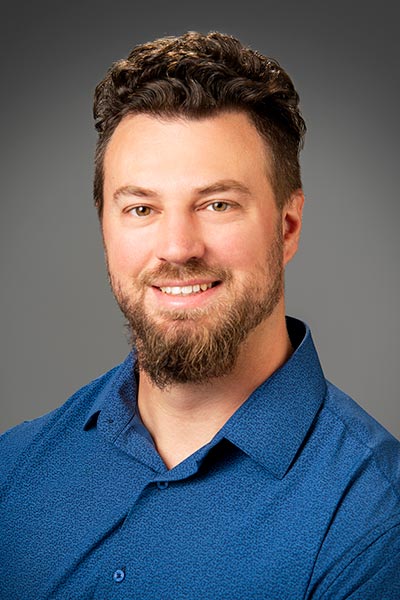
Jason Raymond Gallant serves as Associate Professor and Associate Chair in the Department of Integrative Biology at Michigan State University, with additional affiliations in the Genetics & Genome Sciences Program and BioMolecular Science Gateway. His research program investigates the evolutionary and genetic mechanisms underlying novel phenotypic traits in animal communication systems, utilizing mormyrid electric fish as a primary model organism to explore signal diversity, mate choice, and speciation processes. Dr. Gallant's research spans evolutionary biology, genomics, neuroethology, and developmental biology, integrating approaches from behavior, physiology, and population genetics. His work examines how novel communication signals originate and diversify through molecular adaptations, with particular focus on electric organ discharges, reproductive biology, and ion channel evolution in weakly electric fish. This integrative framework enables comprehensive analysis of genotype-phenotype relationships in natural communication systems. Analysis of Dr. Gallant's 15 most recent publications (2018-2025) reveals three dominant research trajectories: (1) molecular mechanisms of electric signal variation involving potassium/sodium channels and gene expression changes, (2) evolutionary adaptations in reproductive biology including sperm flagella loss, and (3) methodological innovations in electric fish genomics using CRISPR/Cas9 editing. His work consistently bridges evolutionary theory with molecular experimentation, demonstrating how convergent phenotypic evolution arises through diverse genetic pathways. No scientific awards were documented in the provided source materials. While specific student mentorship details are absent from the text, Dr. Gallant leads the Electric Fish Laboratory (http://efish.integrativebiology.msu.edu/), which maintains active research programs in electric fish communication. The laboratory's extensive publication record suggests ongoing graduate student supervision and collaborative grant-funded research, though specific funding sources and advisee names were not disclosed in the available information.