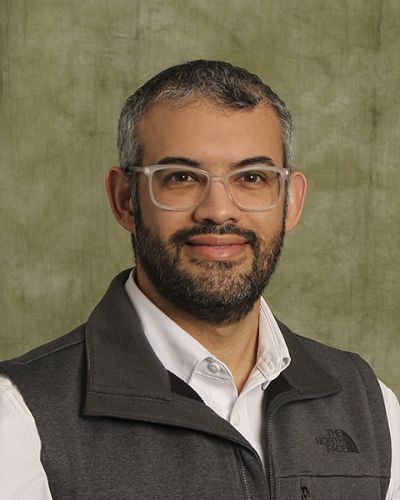
Tania Fernández Villa is an Associate Professor in the Department of Biomedical Sciences at the Faculty of Veterinary Medicine, University of León. Her primary academic affiliation centers on preventive medicine and public health research within the GIIGAS (Interactions Gene-Environment-Health) research group. Her research spans nutritional epidemiology, gender studies in food systems, substance use disorders, and chronic disease prevention. Key focus areas include alcohol consumption patterns among university students (via the UniHcos cohort), sarcopenia in metabolic syndrome, breast cancer risk factors, and pandemic impacts on health behaviors. Her work integrates longitudinal cohort analysis, systematic reviews, and psychometric validation studies. Recent publications demonstrate strong trends in gender-disaggregated health research, pandemic-related behavioral shifts, and methodological innovations in dietary assessment. Her 2024-2025 output shows increasing emphasis on environmental sustainability of diets and multi-cancer risk prediction models. She serves on the editorial board of the Spanish Journal of Human Nutrition and Dietetics, contributing to strategic planning (2020-2026) and open science initiatives. Her PhD from Universidad de Granada focused on ICT usage patterns among university students. Current projects include the UniHcos longitudinal study tracking health behaviors in Spanish university students, with particular attention to alcohol use, sleep patterns, and nutritional status. Her research group actively investigates gene-environment interactions in public health contexts.
Laura Balzer, PhD, MPhil is an Associate Professor of Biostatistics at the University of California, Berkeley . Her research focuses on methodological and applied work in causal inference , machine learning , and messy real-world data , particularly in the context of HIV prevention and global health in East Africa. PhD – Biostatistics, University of California, Berkeley (2015) MPhil – Computational Biology, University of Cambridge (2009) BS – Applied Mathematics, University of Vermont (2008) Dr. Balzer specializes in the design and analysis of cluster randomized and pragmatic trials , addressing challenges like differential measurement , complex dependence , and missing data . Her work integrates epidemiologic methods with machine learning to enhance rigor in real-world studies. Recent publications emphasize community-based HIV interventions , dynamic choice models , and causal inference frameworks for global health applications in Kenya and Uganda. Her methodological contributions include Two-Stage TMLE for handling sub-sampling and non-independent units , while applied studies examine HIV-tuberculosis interactions , hypertension care models , and social network effects on health outcomes. Dr. Balzer’s role as a Primary Statistician for East African studies underscores her commitment to translating academic advances into public health impact .
Insa Feinkohl is a Professor at the Chair of Medical Biometry and Epidemiology within the Faculty of Health at the University of Witten/Herdecke . Her research focuses on risk factors for cognitive dysfunction and mental health in older adults, particularly post-surgery, with emphasis on metabolic and cognitive risk factors. Bachelor of Science (BSc) in Psychology (1 st class honors) – University of Dundee (2006-2009) Master of Science (MSc) in Psychology of Individual Differences (with distinction) – University of Edinburgh (2009-2010) PhD in Community Health Sciences – University of Edinburgh (2010-2014) Post Doc in Knowledge Construction Group – Leibniz Institute for Knowledge Media, Tübingen (2014-2015) Postdoc in Molecular Epidemiology Group – Max Delbrück Center, Berlin (2015-2022) Habilitation in Molecular Epidemiology – Charité Universitätsmedizin Berlin (2021) Her research integrates medical biometry and epidemiology to study postoperative cognitive dysfunction (POCD), delirium, and aging-related cognitive decline. Key areas include biomarker validation (e.g., leptin, interleukins), brain connectivity (dopaminergic networks, thalamus), and metabolic risk factors (diabetes, obesity). She contributed to the BioCog project , an EU-funded initiative for personalized risk prediction of postoperative cognitive impairment. Her recent publications highlight trends in perioperative neuroscience, including brain mineralization, cytokine associations with neurocognitive disorders, and structural/functional imaging in delirium. Articles also explore metabolic syndrome, cognitive reserve, and delirium prediction models using machine learning. Insa Feinkohl is affiliated with major academic societies, including the German Society for Epidemiology , German Society for Medical Informatics, Biometry and Epidemiology , and the German University Association .
Dan Malleck is a Professor in the Department of Health Sciences at Brock University and Director of the Centre for Canadian Studies in the Faculty of Humanities. An internationally recognized expert in drug and alcohol regulation, he examines historical and contemporary substance policies through cultural and medical history lenses. His research explores the socio-political dimensions of substance regulation across three primary domains: Historical development of drug/alcohol policies in North America Cultural perceptions of substance use and abuse Evolution of pharmaceutical regulation and pharmacy professionalization Analyzing publication patterns reveals sustained focus on governance frameworks, with recurring examination of regulatory mechanisms across different historical periods and substances. Honors include the Canadian Historical Association’s Clio Prize for Ontario historical scholarship. He leads research on pharmacy professionalization in Canada and directs interdisciplinary scholarship at the Centre for Canadian Studies.
Professor Selva Selvanathan is a Professor of Econometrics at Griffith University, affiliated with the Department of Accounting, Finance, and Economics at the Griffith Business School. He serves as Director of the Economics Policy Analysis Program (EPAP) and a member of the Griffith Asia Institute. His research focuses on applied econometrics, time series modeling, tourism and energy economics, and consumer demand analysis. He has authored/co-authored over 100 articles and multiple monographs, contributing to leading journals such as the Review of Economic Studies and Journal of Econometrics . Education: PhD in Economics (University of WA and Murdoch University, Australia), MSc (University of Bucharest, Romania), BSc (University of Jaffna, Sri Lanka). Research Interests: Professor Selvanathan’s work spans econometric methodologies, tourism economics, energy policy, and consumer behavior. His recent studies include modeling financial asset demand in Sri Lanka, analyzing alcohol consumption patterns in Australia, and exploring the gender dimensions of cleaner energy transitions. Awards and Honors: Pro-Vice Chancellor’s Research Excellence Award 2014 (Research Supervision) University of Western Australia Distinguished Teaching Award (1988) Griffith Awards for Excellence in Teaching 2005 – Innovation Across the Institution Grants and Collaborations: Leading projects funded by the Department of Foreign Affairs and Trade, Australian Research Council, and Griffith University. Notable grants include policy capacity-building initiatives in Vietnam and Sri Lanka, and studies on alcohol control measures. Advising and Mentorship: Supervised over 20 doctoral students, including works on foreign aid impacts, renewable energy transitions, and rural livelihoods. Current research includes market integration dynamics and energy policy effectiveness. Labs/Teams: Active in Griffith Asia Institute and EPAP, fostering interdisciplinary research on Asian economies and policy analysis.
Scott Rick is an Associate Professor of Marketing at the University of Michigan’s Ross School of Business, holding a PhD in Behavioral Decision Research from Carnegie Mellon University (2007) and a post-doctoral fellowship at Wharton. His research focuses on the emotional drivers and consequences of consumer financial decisions, particularly the behaviors of tightwads and spendthrifts. He aims to understand deviations from economically rational or happiness-maximizing decisions and design interventions to improve consumer well-being. Education: PhD in Behavioral Decision Research, Carnegie Mellon University, 2007 Post-doctoral Fellowship at Wharton School, 2007–2009 Research Interests: Dr. Rick explores how emotions influence financial decisions, including spending habits, debt management, and interpersonal financial dynamics. His work spans consumer psychology, behavioral economics, and policy design. Recent projects investigate couples' financial decision-making and bank account structures' impact on relationships. Publications & Media: Rick has published in top journals like Journal of Consumer Research and Neuron , with media coverage in New York Times , Wall Street Journal , and NPR . His 2024 book Tightwads and Spendthrifts addresses financial challenges in relationships. Recent studies include subjective knowledge differences in couples and the effects of co-branded credit cards. Awards & Impact: Recognized with research and teaching awards at Ross. His work informs policy interventions and marketing strategies to enhance consumer decision-making quality and well-being.
Jean-Sébastien Fallu is an Associate Professor at the School of Psychoeducation, part of the Faculty of Arts and Science at the Université de Montréal. He holds a PhD in Psychology from the same institution and completed a postdoctoral fellowship at the Centre for Addiction and Mental Health (CAMH) in Toronto. His research focuses on the etiology and prevention of problematic substance use, public health policies, and cannabis-related issues. Dr. Fallu is a regular contributor to media discussions on drug policy and addiction science, with over 800 media interviews. He is affiliated with the Institut universitaire sur les dépendances (IUD), the Centre de recherche en santé publique (CReSP), and the Groupe de Recherche et intervention sur les substances psychoactives du Québec (RISQ). He currently serves as the director of the journal Drogues, santé et société (DSS) and is involved in several research projects funded by the Fonds de recherche du Québec (FRQ) and the Canadian Institutes of Health Research (CIHR). Education: PhD in Psychology (Université de Montréal), Postdoctoral Fellowship (CAMH, Toronto) Research Interests: Adolescent substance use, cannabis policy, harm reduction, prevention strategies, public health policies Awards: Forces Avenir 2002 Award for Société, communication et éducation Affiliations: CIUSSS du Centre-Sud-de-l’Île-de-Montréal, IUD, CReSP, RISQ His research has led to over 30 publications and 60 scientific presentations. He supervises graduate students in Master's and PhD programs, focusing on topics such as cannabis use among youth, alcohol consumption during the pandemic, and the impact of policy interventions. He has led projects on substance use prevention, evaluating the efficacy of school transition programs and harm reduction strategies. Dr. Fallu’s current grants include initiatives on opioid interventions, psilocybin therapy in palliative care, and the role of cannabis use onset in substance use disorders. His work bridges academic research with community outreach, emphasizing evidence-based policy and reducing stigma around substance use.
Simona Kumpė is a Lecturer at Vytautas Magnus University, specifically affiliated with the Faculty of Humanities and the Department of Cultural Studies. She has been actively involved in academic work since at least 2017, contributing to the Centre for Asian Studies and the Department of Cultural Studies. Her work primarily focuses on East Asian cultures, with special attention to Japanese and Korean studies. Dr. Kumpė's research interests span across several areas of East Asian cultural studies. Her primary focus appears to be on Japanese culture, particularly examining social structures, media representations, and historical contexts. She has supervised numerous bachelor's theses exploring topics such as Japanese anime, manga, visual novels, and societal issues in Japan and Korea. Her work demonstrates a strong interdisciplinary approach, bridging cultural studies, media analysis, and social sciences. Her recent publications show a consistent focus on Japanese cultural phenomena, particularly examining how social hierarchies, power dynamics, and cultural norms are represented in various media forms. There's a clear pattern of analyzing contemporary Japanese society through popular culture, with special attention to how these representations travel across cultural boundaries to Lithuania and Europe. Many of her supervised theses employ comparative and cross-cultural methodologies. Dr. Kumpė has supervised a significant number of bachelor's students, guiding them through research on diverse aspects of East Asian cultures. Her students have produced work examining Japanese social structures, Korean literature reception in Lithuania, historical connections between Lithuania and Japan, and representations of various social issues in Japanese media. Her supervision appears to encourage both theoretical analysis and empirical research methods.
Dr. Robin Tucker is an Associate Professor in the Department of Food Science and Human Nutrition at Michigan State University’s College of Agriculture and Natural Resources. Since 2016 she has led an interdisciplinary research program that explores how insufficient or poor-quality sleep influences nutrition-related health outcomes, sensory perception, and eating behaviors. She teaches courses such as Medical Nutrition Therapy I and Advanced Clinical Nutrition and co-directs community outreach initiatives including the SLeep Education for Everyone Program (SLEEP) with MSU Extension. Education PhD, Nutrition Science (concentration: Ingestive Behavior), Purdue University (2014) MS, Nutritional Science, California State University, Los Angeles (2005) BA, Political Science, Creighton University Research Focus Dr. Tucker’s work sits at the intersection of sleep science, sensory physiology, and behavioral nutrition. Her primary research agenda investigates: How chronic short sleep or poor sleep quality alters taste perception (sweet, salt) and subsequent dietary choices. The mediating role of sleep in the relationship between stress, financial hardship, and diet quality among college students. Development and testing of scalable, behavior-based sleep education interventions for diverse populations ranging from university students to older adults. Methodologically, her team combines controlled laboratory studies of taste function, large-scale multinational surveys, community-based intervention trials, and systematic reviews. Publications at a Glance Over the past five years Dr. Tucker has published more than 40 peer-reviewed articles and book chapters. Her recent work clusters into three thematic areas: (1) systematic reviews and meta-analyses linking taste function, dietary intake, and chronic disease; (2) multi-country studies examining sleep–diet interactions among higher-education students during the COVID-19 pandemic; and (3) translational intervention research evaluating the efficacy of sleep education programs for older adults. These studies consistently highlight how even modest sleep curtailment can modulate chemosensory function, appetite regulation, and ultimately dietary risk. Honors & Awards 2022 – Senior-authored paper featured in Wiley’s Research Headlines 2020 – Teacher-Scholar Award, MSU Department of Food Science and Human Nutrition 2020 – Undergraduate Research Mentor of the Year nominee, Michigan State University 2020 – You Belong Here Champion nominee, MSU College of Agriculture and Natural Resources 2020 – Outstanding Dietetic Educator nominee, Michigan Academy of Nutrition and Dietetics 2018 – Fellow of the Academy of Nutrition and Dietetics (FAND) Advising & Community Outreach Dr. Tucker mentors a vibrant team of graduate and undergraduate researchers, many of whom appear as co-authors on her publications. She collaborates with MSU Extension to deliver the evidence-based SLEEP program to community groups, and her lab regularly engages campus and public stakeholders through workshops, webinars, and continuing-education events for dietitians. Facilities & Collaborations Her research leverages the MSU Sensory Evaluation Center , Experimental Foods Laboratory , and institutional partnerships with the Center for Research on Ingredient Safety and the Institute for Integrative Toxicology , enabling cutting-edge studies on taste physiology, dietary assessment, and community intervention delivery.
Anne-Sofie Helvik is a Professor at the Norwegian University of Science and Technology (NTNU) within the Department of Public Health and Nursing . Her research focuses on quality of life, coping mechanisms, aging, impairment, and disabilities, with a particular emphasis on older adults. Email: anne-sofie.helvik@ntnu.no Location: Øya Helsehus, 153.03.001, Øya, Håkon Jarls gate 11 Her work spans multiple domains: Health Promotion: Central to her research is improving health outcomes in older populations. Substance Misuse: Investigates alcohol and drug use among older adults and its impact on health. Mental Health: Studies depression, pain, and dementia in aging populations. Sensory Function: Explores olfactory and hearing impairments in older adults. Healthcare Systems: Evaluates treatment, care, and postoperative follow-up in both pediatric and geriatric contexts. Her methodological approach combines both quantitative and qualitative research , with a strong emphasis on longitudinal studies and population-based analyses. Currently, she supervises two doctoral students: Heidi Sivertsen – Researching depression among older community residents. Ingrid Torvik Heian – Investigating olfactory functioning. Her research unit, Allmennmedisinsk Forsknings Enhet (AFE) , focuses on aging and health in older adults, accessible via NTNU’s aging and health page.
Sherry Simon is a Professor at Dalhousie University's Department of Psychology and Neuroscience, where she directs the Personality Research Team. Her work focuses on the intersection of personality and mental health, particularly perfectionism's role in depression, anxiety, eating disorders, suicide, and alcohol problems. She holds a BA from York University, an MA from the University of British Columbia, and a PhD from the University of Saskatchewan. Simon is also the co-founder of CRUX Psychology, a private practice offering evidence-based therapy. She has published over 160 peer-reviewed articles and earned awards including the Dalhousie Killam Prize and multiple clinical honors. Her research emphasizes knowledge generation (original studies), synthesis (meta-analyses), and translation (public outreach). Education: BA (York), MA (UBC), PhD (Saskatchewan) Affiliations: CRUX Psychology, Personality Research Team Grants: Over $2.5M in funding Research Interests: Simon investigates perfectionism's impact on mental health, alcohol use, and suicide. Her lab has clarified links between perfectionism and disorders like eating disorders and depression. She advocates for clinical psychology via media engagement and public lectures. Awards: Dalhousie University's Faculty of Science Killam Prize APA Clinical Section Early Career Award Discovery Centre’s Emerging Professional Award Grants & Collaborations: Over $2.5M in research funding; works with global institutions on suicide prevention and alcohol studies. Active in clinical practice and policy advocacy. Labs/Teams: Leads Personality Research Team; collaborates with CRUX Psychology's 16 clinician-researchers.
Nessim Znaien serves as Assistant Professor of History of Colonial and Postcolonial Maghreb at Philipps University of Marburg's Center for Near and Middle Eastern Studies (CNMS) since 2022, where he heads the Maghreb Field of Expertise team. His academic trajectory spans French institutions including Aix-Marseille University and research roles at the French Research Institute on Contemporary Maghreb in Tunis. His educational background includes: PhD in History, Université Paris 1-Panthéon Sorbonne (2012-2017) with thesis 'The Grapes of domination. Social History of Alcohol in Tunisia under Protectorate (1881-1956)' MA in History, École Normale Supérieure de Lyon (2011-2012) CAPES in History (2009) Bachelor’s degree in Modern Standard Arabic, Aix-Marseille University (2014-2018) University degrees in Italian (B2) and Turkish (B1) from Aix-Marseille University (2018-2021) Znaien's research centers on 19th-20th century North African history through material and food studies, examining colonial societies' structures and Tunisian historiography. His work uniquely bridges alcohol history with broader socio-economic patterns, revealing how substances like wine, bread, and harissa became sites of colonial control, cultural resistance, and identity formation. This approach illuminates the intersection of environmental, economic, and cultural forces in Mediterranean colonial contexts. His extensive publication record demonstrates consistent thematic focus on colonial North Africa's social history, with recurring analysis of alcohol systems, food economies, and material culture. The work shows sophisticated methodological integration of environmental history, economic anthropology, and postcolonial theory, particularly examining how colonial policies reshaped local consumption patterns and production systems across Tunisia, Algeria, and Morocco. No scientific awards are documented in the provided materials. Znaien actively contributes to academic infrastructure through research leadership and peer review. He coordinated a €30,000 Foundation for Research on Alcoholism project (2014-2019) on 'Alcohol under the French Empire,' participated in ERC's TARICA project (2017-2020) analyzing post-Arab Spring North Africa, and contributed to the French 'Bourgeon Project' (2017-2019) on Muslim world alcohol histories. He serves on scientific boards for L'Année du Maghreb and the Digital Encyclopedia of European History, while reviewing for journals including Journal of Medical History and Journal of North African Studies. As head of the Maghreb Field of Expertise team at CNMS, Znaien directs research on contemporary North African societies while maintaining strong connections to Tunisian academic networks through his editorial roles and ongoing historiographical analyses of post-revolutionary Tunisia.
Marvin Diaz is an Associate Professor and Behavioral Neuroscience Area Head at the Department of Psychology, Binghamton University. His research focuses on understanding neurobiological and behavioral alterations caused by early developmental insults such as prenatal drug exposure, with emphasis on sex differences. He employs advanced techniques including electrophysiology, optogenetics, and molecular biology. His work addresses mechanisms underlying anxiety disorders, substance misuse, and neurodevelopmental trajectories. Education: PhD and MA from Wake Forest University School of Medicine, BS from University of NC at Wilmington. Research Interests: Neurodevelopment, prenatal drug exposure, substance use disorder, neural circuits, and the role of sex as a biological variable. Key Findings: Demonstrated that prenatal methadone/alcohol exposure alters amygdala function, GABAergic transmission, and ethanol intake behavior in sex-dependent ways. Highlighted cytokine modulation of adolescent neurophysiology and stress-related behaviors. Awards: SUNY Faculty Diversity Award (202?), Gordon Conference Minority Fellowship (202?), Dean’s Research Semester Award (202?). Labs: Director of the Alcohol Development Lab. Active in studying developmental neurotoxicology and stress-anxiety interactions.
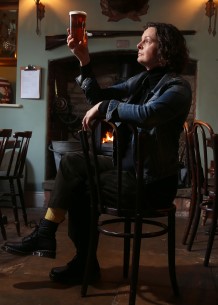
Victoria Wells is a Professor of Sustainable Management and Chair in Management at the School for Business and Society, University of York, since 2017. She holds a PhD from Keele University and has held academic positions at Sheffield, Durham, and Cardiff Universities. Her research focuses on consumer behavior in pubs and sustainable practices, blending theoretical insights with real-world interventions. She is a Senior Fellow of the Higher Education Academy and a Chartered Marketer. Research Interests: Pub consumer behavior and community dynamics Sustainable consumer behavior, including environmental segmentation and renewable technologies Social marketing applications for sustainability Collaborations include work with Global Action Plan, GRAB Trust, and Golden Ball Cooperative Pub. Her recent projects address pub survival strategies, employee environmental behavior, and reusable coffee cup campaigns. Teaching emphasizes interdisciplinary approaches to marketing and sustainability, including a MOOC on pub management and protection. Key Achievements: Principal Investigator for the EPSRC-funded MacroBioCrude project Author of over 40 publications in consumer behavior and sustainability Recipient of the Certified Management & Business Educator designation
Professor Nitika Garg is an Associate Dean in the Business School and holds a faculty position in the School of Marketing at UNSW Sydney. Her research focuses on emotions' impact on consumer judgment and decision-making, particularly in food consumption and ethical behavior. She has contributed to understanding how emotions like anger, happiness, and sadness influence consumer choices and has explored strategies to mitigate negative emotional effects on consumers. Her work intersects with public policy, health marketing, and brand activism. Key awards include the 2019 Research Excellence Commendation and 2018 Outstanding Postgraduate Research Supervision Award. She serves on editorial boards for journals like the Australian Journal of Management and actively participates in consumer research conferences globally. Her articles span topics from the role of gratitude in compliance to brand activism’s ideological effects. Her research frequently addresses societal welfare via consumer behavior interventions, with a focus on obesity and healthful consumption.