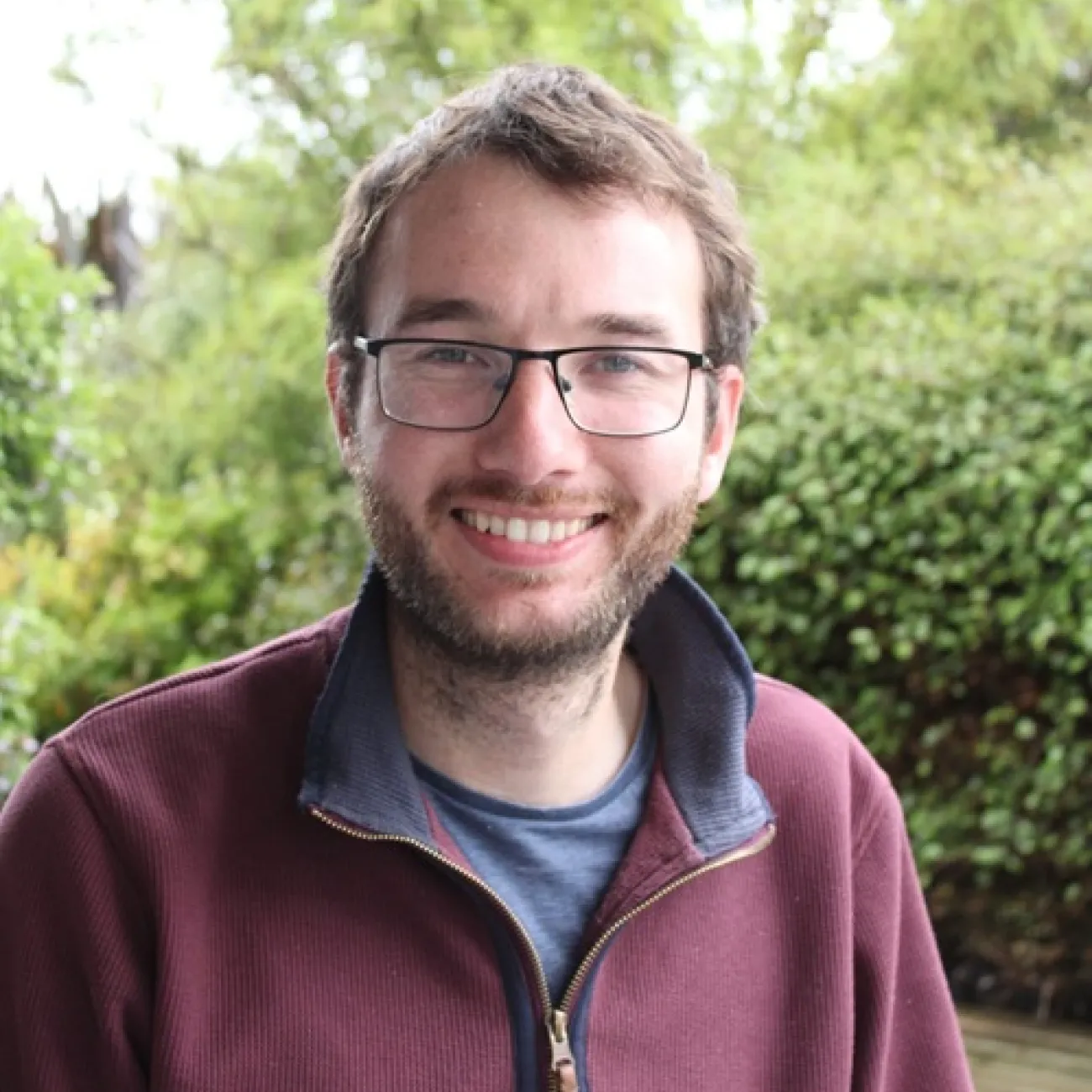
Professor Laura Machesky is an Affiliate at the School of Cancer Sciences, University of Glasgow. With a distinguished career spanning several decades, she has made significant contributions to our understanding of cell migration, cancer metastasis, and actin cytoskeleton dynamics. Her research has been widely published in high-impact journals, focusing on how cellular mechanics and signaling pathways contribute to cancer progression. Professor Machesky's primary research interests center around the actin cytoskeleton and its role in cell migration and cancer metastasis. Her work particularly investigates how proteins like CYRI, Rac1, and the WAVE regulatory complex control cell movement and invasion. She has made significant contributions to understanding how pancreatic cancer cells migrate and metastasize, with a focus on macropinocytosis, integrin regulation, and mechanical properties of the tumor microenvironment. Her research combines molecular, cellular, and in vivo approaches to unravel the complex mechanisms driving cancer progression. Analysis of Professor Machesky's recent publications reveals a consistent focus on the molecular mechanisms of cancer cell migration and metastasis. Her work prominently features studies on CYRI proteins and their role in regulating actin dynamics during the "eat vs walk" decision in cells. There's also a strong emphasis on pancreatic cancer research, melanoma, and the development of advanced imaging techniques to study cellular processes. Her research bridges basic cell biology with clinically relevant cancer mechanisms, providing insights that could inform future therapeutic strategies. While specific grant details aren't provided in the available information, Professor Machesky's extensive publication record suggests sustained research funding supporting her investigations into cell migration and cancer metastasis mechanisms. Her work has fostered numerous collaborations across disciplines, integrating cell biology, cancer research, and advanced imaging techniques. Her laboratory appears to focus on the intersection of cell biology and cancer research, with particular emphasis on the actin cytoskeleton's role in cancer cell migration. The research team likely combines molecular biology, live-cell imaging, and animal models to investigate how cancer cells invade and metastasize, with special attention to pancreatic cancer and melanoma models.