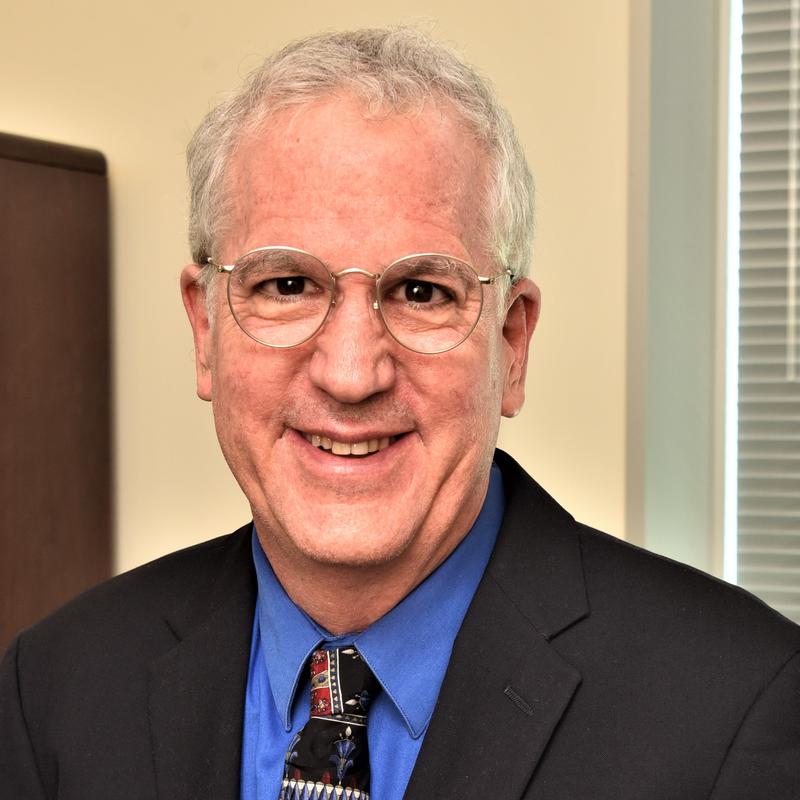
Benjamin Druss is a Professor and Rosalynn Carter Chair in Mental Health at Emory University’s Rollins School of Public Health, Department of Health Policy and Management. He is a psychiatrist integrating mental health, physical health, and public health. His research focuses on improving care access/outcomes for populations with serious mental illnesses and medical comorbidities. He serves on JAMA Psychiatry’s editorial board and previously on NIMH’s National Advisory Council. Education: MD, New York University MPH, Yale University Research Interests: Health policy for mental health systems Social determinants of mental health Psychosis and comorbidity mechanisms Healthcare access disparities Articles Trends: Recent work examines opioid use patterns, mental health policy impacts, and neighborhood effects on psychiatric outcomes. Over 15 years of publications consistently address disparities in mental health care access and systemic solutions. Awards: APA Health Services Research Senior Scholar Award Carl Taube Award for Lifetime Contribution NAMI Exemplary Psychiatrist Award Advising/Grants: Leads research on mental health workforce resilience and Medicaid policy. Courses taught include mental health/medical policy, public mental health case studies, and dissertation guidance.
Shintaro Okazaki is a Professor of Marketing at King’s Business School, King’s College London. He holds a PhD from the Autonomous University of Madrid and has over 20 years of industry experience, including roles at a multinational corporation in Tokyo. His research focuses on marketing communications, digital marketing, social issues in marketing, international marketing strategies, and tourism marketing. He has authored over 100 articles and chapters, with a strong emphasis on advertising, AI ethics, sustainability, and consumer behavior. Research Interests: Marketing Communications: Advertising, Branded Entertainment, Cross-Cultural Advertising, Emotions in Advertising Digital Marketing: AI, Mobile Marketing, Social Media Marketing, Digital CSR Social Issues: Diversity, LGBTQ+ Inclusion, Disaster Resilience, Media Addiction, Sustainability International Marketing: Deglobalisation, Global Brand Positioning, Marketing Standardisation Travel & Tourism: Sustainable Tourism, Greenhushing, Peer-to-Peer Accommodation Awards & Roles: Former Editor-in-Chief of Journal of Advertising (2014–2019) Past-President of the European Advertising Academy Editorial Board Member for Journal of Public Policy & Marketing , International Marketing Review , and others Recipient of multiple awards, including the 2010 Journal of Advertising Best Article Award Grants & Conferences: Grant panelist for over 20 international organizations Organized/chaired 30+ academic conferences globally Labs & Teams: Research Lead of the Department of Marketing at King’s Business School, leading interdisciplinary projects on AI ethics, crisis communication, and sustainable marketing strategies.
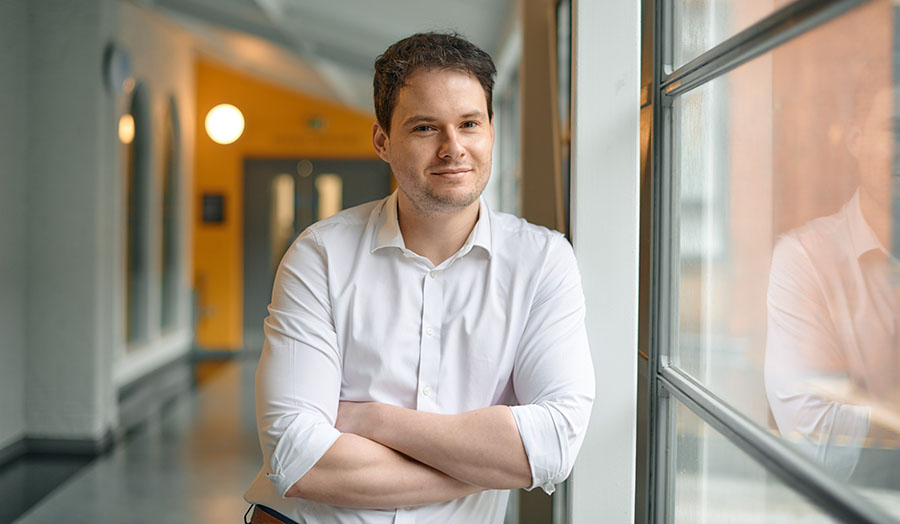
Dr. Mark Thompson is a Senior Lecturer in Psychology and Researcher of Sport Psychology at London Metropolitan University's School of Social Sciences and Professions. He holds a PhD from the University of Hull and is a Fellow of the Higher Education Academy (FHEA). His academic work bridges sport psychology, healthcare rehabilitation, and youth athlete development. Dr. Thompson's education includes a PhD in Psychology from the University of Hull. His research focuses on emotional processes in elite athletes, doping propensity in youth sports, and post-COVID-19 patient rehabilitation. Notable projects include NHS-funded studies on telerehabilitation and collaborations with the International Olympic Committee and World Anti-Doping Agency. Research Interests: Psychophysiological responses to stress in sports Emotional regulation strategies among athletes Anti-doping education and youth athlete behavior Telehealth applications in post-hospitalization recovery His publications emphasize qualitative methodologies, exploring topics like athlete performance under stress, doping prevention programs, and healthcare professional perspectives on self-management approaches. Awards: Fellow of the Higher Education Academy (FHEA). Dr. Thompson has delivered presentations at major conferences such as the American College of Sports Medicine and contributed to media discussions on doping in elite sport via LoveSport Radio. His teaching spans foundational psychology to advanced modules like cognition and behavior, often serving as module leader.
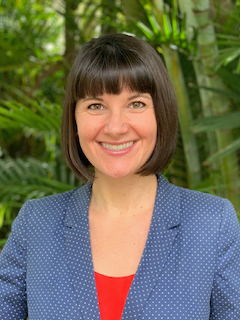
Brooks Casas, Ph.D., is a Professor at the Fralin Biomedical Research Institute at VTC, with joint appointments in the Department of Psychology (College of Science), Department of Biomedical Engineering and Mechanics (College of Engineering), and the Department of Psychiatry and Behavioral Medicine (School of Medicine) at Virginia Tech. He is also a College of Science Faculty Fellow, recognized for his contributions to decision neuroscience and computational psychiatry. Ph.D. in Psychology, Harvard University Postdoctoral Fellowship, Baylor College of Medicine Former Assistant Professor of Neuroscience and Psychiatry, Baylor College of Medicine Brooks Casas investigates the neural computations underlying social decision-making, focusing on how valuation, learning, and social preferences shape human choices. His research integrates decision neuroscience, behavioral economics, and social psychology to understand both normative and pathological decision processes. Key areas include trust, risk preferences, social influence, and impaired decision-making in psychiatric disorders such as substance abuse and borderline personality disorder. His lab employs fMRI, computational modeling, and longitudinal studies to explore these phenomena. His recent publications span topics such as machine learning applications in diagnosing borderline personality disorder, neural predictors of adolescent risk behaviors, and the role of cognitive control in substance use. His work often involves large-scale longitudinal studies, such as the decade-long investigation into early life adversity and brain development with Jungmeen Kim-Spoon. He has not received any explicitly mentioned scientific awards in the provided text. Casas leads the Casas Lab within the Center for Human Neuroscience Research and collaborates extensively with students and researchers across disciplines. His work is supported by grants from the National Institutes of Health and the Institute for Society, Culture, and Environment. He advises multiple graduate students and early-career researchers, contributing significantly to training in computational psychiatry and decision neuroscience. His lab, the Casas Lab, is part of the Fralin Biomedical Research Institute and focuses on human neuroscience research, particularly using neuroimaging and behavioral experiments to study social and economic decision-making.
Emily Falk is a Professor of Communication, Psychology, Marketing, and Operations, Information, and Decisions at the University of Pennsylvania, where she serves as Vice Dean of the Annenberg School for Communication, Director of the Communication Neuroscience Lab, and Director of the Climate Communication Division of the Annenberg Public Policy Center. Her interdisciplinary work bridges communication science, psychology, and neuroscience to understand behavior change and message effectiveness. Dr. Falk received her B.A. in Neuroscience from Brown University and her Ph.D. in Psychology from the University of California, Los Angeles. Her educational background reflects the interdisciplinary approach that characterizes her research program. Dr. Falk's research focuses on the science of behavior change, examining what makes messages persuasive, why and how ideas spread, and what makes people effective communicators. Her work employs tools from psychology, neuroscience, and communication to investigate neural predictors of message effectiveness, social influence, and the spread of ideas through networks. Key research areas include health communication (particularly tobacco use), climate communication, political communication, and the neuroscience of choice and decision-making. Her groundbreaking work has demonstrated how fMRI brain imaging in small groups can predict large-scale public health campaign success. Dr. Falk's research has been recognized with numerous prestigious awards, including early career awards from the International Communication Association and the Society for Personality and Social Psychology Attitudes Division, a Fulbright grant, Social and Affective Neuroscience Society award, DARPA Young Faculty Award, and the NIH Director's New Innovator Award. She was also named a Rising Star by the Association for Psychological Science. As an advisor, Dr. Falk has mentored numerous graduate students who have gone on to successful careers in academia, government, non-profit, and business sectors. Her lab, the Communication Neuroscience Lab, is funded by major organizations including DARPA, NIH, Google, and the Mind & Life Institute. The lab operates with a mission to increase health and happiness for people and the planet through communication science. The Communication Neuroscience Lab is an interdisciplinary research group that uses tools from biological, social, and network sciences to motivate choices that benefit individuals, communities, and the planet. Current major research projects include BB-PRIME (Brain-based Prediction of Message Effectiveness), BB-PRIME Phase II focusing on climate change interventions, and the GeoScan Smoking Study examining tobacco marketing effects.
Zoran Josipovic is an Adjunct Assistant Professor in the Department of Psychology at New York University's College of Arts & Science. He is also the founding director of the Nonduality Institute, an independent research center exploring nondual awareness. His expertise spans consciousness studies, meditation neuroscience, and cognitive/affective neuroscience. Education: PhD in Cognitive Neuroscience (Union Institute & University), MA in Clinical Psychology (John F. Kennedy University), BA in Asian Religions (SUNY) Research focuses on nondual awareness mechanisms, meditation's effects on epilepsy, and consciousness neurobiology. He investigates how practices like Tibetan Buddhism, Zen, and Advaita Vedanta influence neural processes. His work bridges contemplative traditions with modern neuroscience through studies on self-awareness, brain networks, and minimal phenomenal experience. Recent publications explore reflexivity gradients in consciousness, implicit-explicit nondual awareness dimensions, and neural correlates of prayer in addiction recovery. His grants include funding from the Mind Science Foundation and Yoga Science for nondual awareness research. Awards: 2010 Tom Slick Award for Consciousness Research, multiple grants supporting meditation-epilepsy studies Teaches courses like 'Consciousness and the Brain' and 'Mindfulness & Transformative Technologies.' Active in professional societies including the Association for Psychological Science and Society for Neuroscience. Operates the Nonduality Institute, conducting empirical studies on nondual experience and offering online meditation education. A lifelong practitioner of nondual traditions, he integrates clinical psychology with contemplative practice instruction.
Trysh Travis is an Associate Professor of Women’s Studies at the University of Florida. Her research focuses on the gendered history of medicine, therapeutic cultures, and recovery movements. She earned an MA from the Bread Loaf School of English and a PhD in American Studies from Yale University. Her work has been supported by the Mellon Foundation and the National Endowment for the Humanities. She co-founded the translational humanities project Points with UF colleague Joseph Spillane and serves as Managing Editor Emerita. Key publications include The Language of the Heart: Twelve-Step Recovery from Alcoholics Anonymous to Oprah Winfrey (2009) and co-editing Rethinking Therapeutic Culture (2016). Her articles explore topics ranging from opioid treatment legacies to feminist critiques of drug policy. Education: PhD in American Studies (Yale University), MA in English (Bread Loaf School of English) Grants: Mellon Foundation, National Endowment for the Humanities Key Projects: Co-founder of Points blog, author/co-editor of influential books on recovery culture Travis’s research bridges literary history and cultural analysis, emphasizing intersections of gender, medicine, and therapeutic practices. Her work critiques historical and contemporary recovery narratives, interrogating how therapeutic frameworks shape identities and social norms. Recent scholarship addresses opioid policy legacies and the role of whiteness in cultural discourse.
Kiara R. Timpano is a Professor in the Department of Psychology at the University of Miami and Director of the Program for Anxiety, Stress, and OCD (PASO). She holds a PhD from Florida State University and completed postdoctoral training at Massachusetts General Hospital/Harvard Medical School. Her research focuses on cognitive and psychosocial risk factors for anxiety, OCD, and hoarding disorders, with a particular interest in transdiagnostic mechanisms. Key areas include intolerance of uncertainty, emotion dysregulation, and behavioral interventions. Timpano leads the PASO lab, collaborating with institutions like McLean Hospital, UC Berkeley, and Karolinska Institutet. She supervises graduate students (e.g., Hannah Broos, Amelia Dev) and undergraduates, mentoring over 20 trainees. Her work integrates clinical research with community health initiatives, such as pandemic behavioral studies and climate change engagement projects. She serves on the Scientific and Clinical Advisory Board of the International OCD Foundation. Timpano's research spans neuroimaging (e.g., fMRI studies of repetitive negative thinking), translational therapy development (e.g., mindfulness-integrated CBT), and public health interventions. Her 2025 study in Children journal examines transdiagnostic treatments for youth OCD/anxiety comorbidity, while 2024 Cerebral Cortex work links PTSD symptoms to neural connectivity. Collaborations emphasize global mental health challenges and evidence-based practices.
David Lydon-Staley is an Associate Professor at the Annenberg School for Communication, University of Pennsylvania, where he serves as Principal Investigator of the Addiction, Health, & Adolescence (AHA!) Lab. His research integrates neuroscience with communication science to examine substance use, media effects, and curiosity using fMRI, ecological momentary assessment, and network analysis. Education includes a Ph.D. in Human Development & Family Studies from The Pennsylvania State University, an M.S. from Penn State, an M.F.A. in Creative Writing from Drexel University (2025), and a B.A. in Psychology and English Literature from Trinity College Dublin. Research focuses on three interconnected areas: curiosity in media environments and health communication, media engagement in emotion dynamics, and substance use through dynamic network perspectives. Work emphasizes intensive longitudinal measurement of brain-behavior interactions during daily life. Recent publications (2023-2025) predominantly explore tobacco behavior, neural mechanisms of addiction, curiosity modulation, and social media's emotional impacts. Articles demonstrate consistent themes: fMRI analysis of inhibitory control, real-time geospatial tracking of smoking triggers, curiosity-based health messaging, and emotion regulation networks. Research has been supported by the National Institute on Drug Abuse, Jacobs Foundation, International Society for Behavioral Development, Center for Curiosity, and Brain & Behavior Research Foundation. Leads the Addiction, Health, & Adolescence (AHA!) Lab investigating substance use through network science approaches. Collaborates with the Complex Systems Lab at Penn's Department of Bioengineering.
Scarlett Smout is a Postdoctoral Research Associate at the Matilda Centre, part of the Faculty of Medicine and Health at the University of Sydney. Her email is scarlett.smout@sydney.edu.au . Her research focuses on adolescent mental health, lifestyle behaviors, and the development of school-based interventions to address risk factors such as diet, physical activity, and substance use. She has contributed to studies on pandemic mental health impacts, the Health4Life eHealth intervention, and the role of parental monitoring in dietary habits. Her work also explores social determinants of loneliness during crises and the mental health trajectories of young adults during the pandemic. Key research areas include adolescent mental health outcomes, behavioral interventions, and the intersection of lifestyle factors with psychopathology. She has collaborated on large-scale trials and systematic reviews, including an umbrella review of global mental health during the pandemic and analyses of longitudinal data in gender-diverse populations. Her findings have informed policy recommendations for youth mental health recovery plans and public health strategies. Smout has secured grants including the 'Mentally Healthy Future Project' (2023) and a BHP Foundation grant for pandemic mental health response research (2020). Her contributions address both academic and policy domains, emphasizing evidence-based approaches to safeguard mental health in diverse populations. Labs/Teams: The Matilda Centre, where her work aligns with broader initiatives in mental health research and public health interventions.
Dr Wasim Ahmad is a Lecturer in Marketing at the Department of Marketing, Lancaster University Management School (LUMS), having joined the institution in January 2024. His prior academic appointments include Monash University, Florida State University, Teesside University, and Fujian University of Technology, where he conducted research, taught undergraduate/postgraduate modules, and led curriculum development. Education: Ph.D. in Marketing, University of International Business and Economics PostDoc, Florida State University Research Interests: Dr Ahmad investigates consumer behaviour with emphasis on negative emotions (brand hate, betrayal) and extreme responses to brands across cultural contexts. His work spans sustainability-oriented innovation in B2B firms, eco-brand strategy, and cross-cultural CSR implementation—particularly during crises like the pandemic. He employs quantitative methodologies including experimental designs and meta-analysis, frequently examining digital marketing phenomena such as virtual influencers, travel apps, and dark patterns in online interfaces. Publication Trends: His 2023-2025 output reveals concentrated research on brand hate consequences in B2B relationships, sustainability innovation linked to triple-bottom-line performance, and cross-cultural digital behaviour (e.g., social media addiction, travel app usage). Key journals include Journal of Business Research , Industrial Marketing Management , and Annals of Tourism Research , demonstrating interdisciplinary reach across marketing, sustainability, and tourism. Scientific Awards: No specific awards, prizes, or fellowships mentioned in source materials Advising and Grants: Dr Ahmad actively supervises PhD candidates in green marketing topics (product sustainability, eco-brand orientation) using quantitative approaches. He teaches core modules including International Marketing (MKTG101), Strategic Marketing (MKTG301), and Marketing Research (MKTG212). No grant funding details were provided in the directory. Labs and Teams: No dedicated research labs or teams specified in current affiliation Collaborative work evident in B2B sustainability studies with international co-authors
Matthew Price is the George W. Albee Green & Gold Professor of Psychological Science and Director of the Clinical Psychology Training Program at the University of Vermont's College of Arts and Sciences. He holds a B.A. from SUNY Binghamton (2004), an M.A. (2006), and Ph.D. (2011) from Georgia State University. His research focuses on expanding clinical care access for trauma survivors and anxiety disorder patients via technology-driven interventions. Key areas include mobile health applications, wearable sensors, and acute trauma care in Emergency Departments. His interdisciplinary approach involves collaborations with computer science, bioinformatics, and medicine. Current projects explore digital biomarkers (e.g., heart rate variability), technology adoption barriers, and culturally adapted therapies. He leads the Center for Research on Emotion, Stress, and Technology, emphasizing translational frameworks bridging basic research and clinical practice. Recent work includes randomized controlled trials evaluating mobile apps like 'Bounce Back Now' for disaster-related PTSD, and sleep-monitoring studies using wearable devices. Over 150 peer-reviewed articles highlight his focus on trauma mechanisms, symptom networks in veterans, and tech-enabled mental health innovations. His lab actively addresses global mental health disparities through mHealth solutions.
Samuli Ripatti is a Professor of Biometry at the Faculty of Medicine, University of Helsinki, and Director of the Institute for Molecular Medicine Finland (FIMM). He chairs the Research Council Finland’s Centre of Excellence in Complex Disease Genetics and the EU H2020-funded Intervene Consortium. His research focuses on genetic variation in the Finnish population, particularly its effects on cardiometabolic diseases and cancers, with a strong emphasis on polygenic risk scores for disease prevention and early detection. His work spans Genetic risk prediction models Lipidomic and metabolomic profiling Gene-environment interactions Translational genomics Recent research highlights include 1099 plasma metabolite-disease causal analysis Genetic determinants of weight loss interventions Cardiovascular risk stratification tools Leukocyte lipid metabolism pathways He actively supervises doctoral programs in Integrative Life Science, Social Sciences, Clinical Research, and Population Health, and collaborates with the Broad Institute of MIT and Harvard.
Amanda Fallin-Bennett, Ph.D., is an Associate Professor at the University of Kentucky College of Nursing , with affiliations in the Cancer Prevention and Control Research Program and the Markey Cancer Center. Her work focuses on substance use , harm reduction , and health equity , particularly for vulnerable populations. Education: Doctor of Philosophy (2011), University of Kentucky Master of Science in Nursing (2009), University of Kentucky Bachelor of Science in Nursing (2007), University of Kentucky Her research explores polysubstance use , recovery frameworks , and public health policy , with recent articles addressing fentanyl test strip utilization , recovery capital in justice-involved women , and reproductive health access for recovery communities. She emphasizes health equity in tobacco control and social justice in substance use prevention. Scientific Awards: Nursing Grant Scholars (2016) Research Protégé of the Year (2019) Vernon Johnson Recovery Advocate of the Year (2019) Scholar Award (2017) Research Award (2019) She actively leads grants like the UK Harm Reduction Hub and Smoke-Free Policy and Behavioral Health initiatives, collaborating with Vital Strategies and KY Cabinet for Health and Family Services. Her work spans opioid use disorder , tobacco cessation , and policy implementation in rural Southern states.
Robinder P. Bedi is a Professor in the Department of Educational and Counselling Psychology, and Special Education at the University of British Columbia (UBC). He specializes in Counselling Psychology , with a focus on Cultural Psychology , Multicultural Counselling Competencies , and integrating Indigenous Psychologies into Western practices. His work addresses Counselling with Men and Masculinity , Folk Models of Illness , and Cultural Adaptation of Psychotherapy , particularly for Punjabi Sikh and Asian-Indian populations. Research Trends : Recent publications analyze the ideological underpinnings of Western psychotherapy , gender dynamics in Indian counselling , and program evaluations for immigrant/refugee trauma interventions . Subfields include implicit bias in Muslim mental health , substance use recovery metrics , and sexuality counseling pedagogy . Scientific Awards : Michael Smith Foundation for Health Research Scholar Award (2009) Green College Leading Edge Scholar (2015) Killam Laureate (2022) Canadian Psychological Association Fellow (2023) Advising : Mentored students such as Kesha Pradhan (PhD candidate), Syler Hayes (poster awardee), and Graham Haber (SSHRC awardee). His lab promotes multi-level mentorship and co-authorship opportunities. Labs : Leads the Counselling and Psychotherapy Research, Teaching, and Service (RTS) Lab at UBC, which emphasizes critical thinking , cross-cultural research , and integration of traditional healing methods .