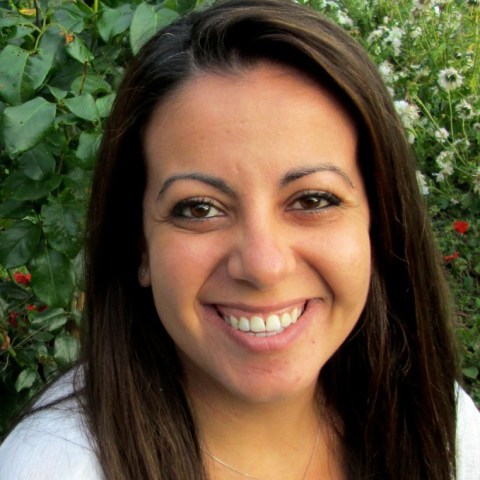
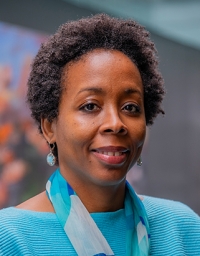
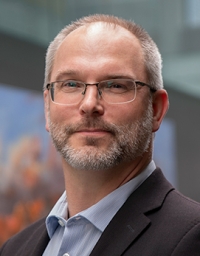
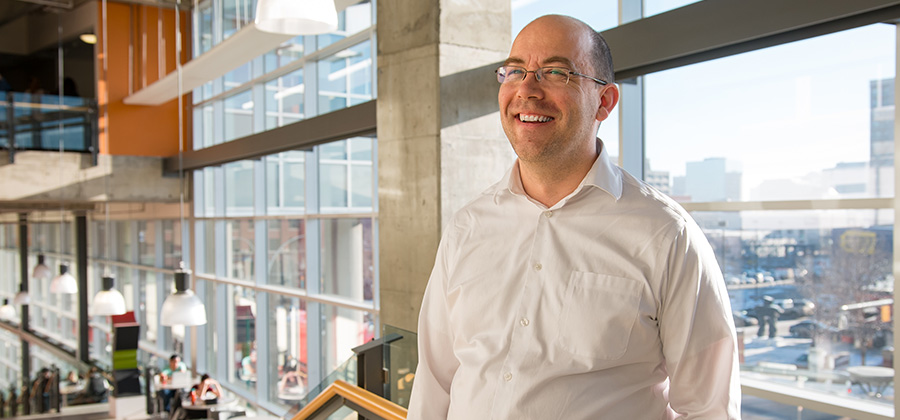
Dr. Shahrukh Athar is an Assistant Professor in the Department of Electrical & Computer Engineering at McMaster University. His research focuses on perceptual image quality assessment (IQA), degraded-reference and multiply-distorted image analysis, and digital signal/video processing. He also emphasizes educational development, particularly active learning strategies and pedagogical training for colleagues and graduate students. He teaches courses such as COMPENG 2DX3 (Microprocessor Systems Project), COMPENG 2SH4 (Principles of Programming), ELECENG 2CI4 (Introduction to Electrical Engineering), and ELECENG 3CL4 (Introduction to Control Systems). His work bridges machine learning applications in IQA with practical educational methodologies. Dr. Athar's research includes developing robust no-reference IQA algorithms using deep learning and constructing large-scale datasets. He has published extensively on topics like image debanding, blind quality assessment, and FPGA-based signal processing implementations. His LinkedIn and other professional profiles highlight interdisciplinary contributions in both technical and educational domains.
Dr. Meridith Griffin is an Associate Professor in the Department of Health, Aging & Society at McMaster University , where she also serves as Associate Director of the Gilbrea Centre for Studies in Aging. Her research program, funded by an SSHRC Insight Grant titled "Physical Activity for Any-Body," employs qualitative methodologies to analyze the intersection of body positivity, age-related social dynamics, and inclusive physical culture. Education: BKin (Honours) from McMaster University, MA in Human Kinetics from University of British Columbia, PhD in Sport & Health Sciences from University of Exeter Griffin's work spans interdisciplinary domains including social gerontology, sociology of sport, leisure studies, and sociological social psychology. She utilizes participatory, ethnographic, narrative, visual, and arts-based methods to examine embodied experiences of physical activity across diverse populations. Recent publications highlight trends in digital health interventions for older adults, critical analysis of fitness industry inclusionism, and intersectional frameworks for understanding age, gender, and disability in physical culture. Her 15 most recent articles (2017-2025) focus on topics like "Digital Ageism in Machine Learning," "Mobility Determinants in Aging," and "Narratives of Loneliness Among Black Older Adults." Scientific Awards: SSHRC Insight Grant Principal Investigator Advising: Supervised research projects on synchronous online exercise programs and body mapping for inclusive leisure Grants: Multiple SSHRC-funded initiatives Griffin leads qualitative methods courses at McMaster and collaborates with the Gilbrea Centre on aging-related research. Her work addresses systemic barriers in physical activity participation through policy engagement and community-based interventions.
Rosa Da Silva, PhD, serves as Associate Dean of the Faculty of Science at McMaster University, where she is also a faculty member in the Department of Biology. With a PhD in Cell and Systems Biology from the University of Toronto, she maintains an active research program while contributing significantly to academic leadership and educational innovation. Her research spans two primary areas: insect physiology (particularly cardiovascular and immune processes in pest insects like the Brown Marmorated Stink Bug and Rhodnius prolixus) and science education research focusing on blended learning methodologies. Dr. Da Silva has developed numerous innovative courses including Sci2M03: Engaging your world-Science for the Global Citizen, LifeSci3L03: Laboratory Methods in Life Sciences, and BIO780: Advanced Microscopy Techniques. Her recent scholarly work shows a progression from fundamental insect physiology research toward educational scholarship, with publications like 'Blended learning in a biology classroom: Pre‐pandemic insights for post‐pandemic instructional strategies' (2022) reflecting her expertise in pedagogical innovation. Her educational research examines how to effectively integrate technology with traditional teaching methods to enhance student learning. best presentation award for long oral presentations (Insect Biotech Conference 2016) best presentation award for short oral presentations (Insect Biotech Conference 2016) Dr. Da Silva has established the Applied Learning Lab for Undergraduate Research Excellence (ALLURE) and the Undergraduate Cell Biology Laboratory, mentoring 5-6 students annually in authentic research experiences. She has successfully secured funding for course development, including $70,000 for her blended learning course. Her teaching philosophy emphasizes interdisciplinary approaches, active learning, and connecting biological concepts to real-world applications through projects like the Drug Discovery Film Showcase.
Dr. Natalya Brown is an Associate Professor with cross-appointments in the Faculty of Arts and Science (Department of Philosophy, Political Science, Economics) and School of Business at Nipissing University. She also serves as Program Coordinator for Economics and is a faculty member in Graduate Studies in Education. Her research focuses on immigrant integration, financial literacy, sustainable tourism, philanthropy, and political economy. Educational background includes a BSc from University of West Indies, MA from University of Houston, and MSc/PhD from University of Texas. She teaches courses in macroeconomics, microeconomics, economic development, international economics, and money and banking. Research interests converge on social inclusion mechanisms, with particular focus on immigrant experiences in Northern Ontario communities, sustainable tourism development, financial education, and the intersection of sports and community integration. Current projects examine housing experiences of newcomers and the role of cricket in fostering welcoming communities. Publications demonstrate consistent themes of community-based research, including ecotourism certification, digital literacy in education, common reading programs, and immigrant housing challenges. Methodologies frequently employ mixed-methods approaches across diverse geographic contexts. Awards: No major scientific awards listed in provided text. Dr. Brown advises graduate students and serves as Program Coordinator, though no specific advising relationships or laboratory affiliations are detailed.
Dr. Steve Hansen is a Professor in the Department of Physical and Health Education at Nipissing University, serving as Graduate Program Coordinator and Chair within the Schulich School of Education. He holds a BKin (Honours), MSc, and PhD from McMaster University. His research focuses on visual control of upper limb movements, kinematic analyses of movement in both typically developing and special populations, and theoretical modeling of movement control and rehabilitation. Key themes include optimizing speed-accuracy trade-offs, sensory-motor integration, and movement variability quantification. Research interests span human movement behavior, sensory-motor systems, and movement control in clinical populations. His work examines how visual feedback and task constraints influence movement planning and execution, with applications to neurorehabilitation and motor learning. Recent trends in his publications emphasize hormonal effects on motor performance, robotics in pediatric therapy, and peer feedback dynamics in skill acquisition. No scientific awards are explicitly listed, but his extensive publication record reflects impactful contributions to motor control theory. As an academic leader, he oversees graduate training and curricular development in physical education. While no lab affiliations are noted, his research collaborations involve interdisciplinary teams studying biomechanics, neuroscience, and clinical applications.
Dr. Blaine Hatt is a Professor in the Schulich School of Education at Nipissing University, part of the Faculty of Education and Professional Studies. As a full-time faculty member and graduate program contributor, his expertise spans teacher education, educational policy, and imaginative pedagogy. He holds a PhD from the University of Alberta and prior degrees from the University of New Brunswick. His research focuses on Imagination Creativity Education (ICE), teacher professional development, and systemic challenges in hiring/supporting educators. Notable work includes analyzing ICE integration in curricula and exploring barriers faced by newly certified teachers in Ontario. He also examines international practicum experiences and online learning dynamics. Recent publications highlight trends in relational pedagogy, regulatory impacts on teaching careers, and historical/policy reflections. His work bridges theoretical frameworks with practical solutions for educational challenges.
Dr. Jeffrey Davis is an Assistant Professor in the Department of Computer Science at MacEwan University. He holds a PhD from ETH Zürich, an M.A.Sc. from the University of Toronto, and a B.Sc. from the University of Alberta. His research focuses on pedagogical software development, problem-based learning, and computational fluid dynamics. He has contributed to interdisciplinary projects involving sensor-based smart technologies and student retention models. Education: PhD in Energy Technology (ETH Zürich) M.A.Sc. in Turbulence Research (University of Toronto) B.Sc. in Civil & Environmental Engineering (University of Alberta) Research interests include algorithm design, numerical methods, machine learning, and sustainable development. His work bridges engineering education and computational sciences, with notable contributions to automated student assessment systems and Mars mission thermal modeling. Dr. Davis has published extensively in education technology and fluid dynamics, receiving awards such as the NASA Group Achievement Award (2009) and Best Paper Award from ASEE (2013). He mentors students in interdisciplinary projects and actively seeks collaborations with industry and researchers.
Dr. Ping Zou is a Professor in the School of Nursing at Nipissing University's Faculty of Education and Professional Studies. As a full-time faculty member, their research focuses on culturally sensitive interventions for chronic illness management among Chinese Canadians, particularly hypertension control through dietary approaches like the DASHNa-CC study. They hold a PhD in Nursing from the University of Toronto and a PhD in Economics and Law from Fujian Teachers University, alongside advanced nursing degrees. Dr. Zou's research spans lifestyle modification, randomized controlled trials, and the integration of Traditional Chinese Medicine (TCM) into healthcare. Their work emphasizes immigrant and minority health, leveraging technology to improve chronic illness self-management. Key studies include smartphone app development for seniors and formative evaluations of nursing education programs. Supported by grants such as the Queen Elizabeth II Scholarship and CIHR awards, their projects address hypertension, dietary interventions, and the contributions of older immigrants to Canadian society. Presentations span international conferences on Canadian studies, cardiovascular health, and nursing education innovations. Award-winning research includes the 2017 Applied Nursing Research publication on Chinese immigrant recruitment and the 2016 American Journal of Chinese Medicine review on TCM and blood pressure. Their work bridges cultural adaptation, clinical practice, and community health policy.
Alla Kushniryk is an Associate Professor in the Department of Communication Studies at Mount Saint Vincent University (MSVU). She holds a BA from Chernivtsi National University, a MS from Lviv National University, and a PhD from the University of Tennessee. Her research focuses on health communication, organizational communication, digital/social media, and quantitative methods. She leads studies funded by the Communications + Public Relations Foundation and collaborates with Natalie Doyle Oldfield on organizational trust-building strategies. Her work also includes evaluating best practices in public relations and international studies on communication standards through the GAP VIII project with the Canadian Public Relations Society. Her research explores how organizations leverage social media for two-way communication and examines trust dynamics with stakeholders. Notable projects include analyzing immigrant women’s health behaviors and assessing public libraries’ use of Twitter. She actively engages in professional partnerships, contributing to industry standards in Canada and beyond. Alla welcomes MA students interested in excellence in PR practices, social media strategy, health communication, organizational communication, and quantitative research methods.
Jinhui Ma is an academic researcher affiliated with McMaster University, specializing in biostatistics, clinical epidemiology, and public health. Their work focuses on aging populations, bone health in pediatric and geriatric contexts, and application of statistical methods in healthcare research. Research interests include biomarker validation for bone disorders, multimorbidity patterns in chronic disease populations, urban health planning for climate resilience, and methodological advancements in clinical trial design. They contribute to large-scale cohort studies like the Canadian Longitudinal Study on Aging (CLSA), investigating mobility, frailty, and healthcare utilization patterns. Recent work emphasizes machine learning applications for missing data imputation, spatiotemporal analysis of urban heat risks, and validation of predictive models for cardiovascular and bone-related outcomes. Their interdisciplinary approach bridges statistical methodology with clinical and public health challenges. Key collaborations involve institutions across Canada and China, addressing global health issues such as osteoporosis management in pediatric populations and environmental health interventions.
Hsien Seow is a Professor of Oncology at McMaster University's Faculty of Health Sciences, holding the prestigious Canada Research Chair in Palliative Care and Health System Innovation. He serves as Director of the ICES-McMaster site, leading population-based health services research in Ontario. Previously, he held the CIHR New Investigator award and the Cancer Care Ontario Chair in Health Services Research, establishing himself as a leading researcher in palliative care systems. Dr. Seow earned his PhD from Johns Hopkins University and his BSc from Yale University, building a strong foundation for his career in health services research. His educational background bridges clinical medicine with rigorous population health methodology. His research program focuses on palliative care quality measurement, health services utilization at end-of-life, and innovative models for delivering palliative care, particularly in community settings. He has conducted extensive population-based research examining patterns of care for cancer patients, with special attention to multiple myeloma and gynecologic malignancies. His work investigates socioeconomic disparities in palliative care access, the impact of early palliative care on health service utilization, and the development of prognostic tools incorporating patient-reported outcomes. Analysis of his recent publications reveals a consistent focus on improving palliative care delivery through evidence-based quality indicators, addressing equity issues in end-of-life care, and developing innovative educational approaches like the CAPACITI program for primary care providers. His research spans multiple disciplines including oncology, health services research, medical education, and health policy. Canada Research Chair in Palliative Care and Health System Innovation CIHR New Investigator award recipient Cancer Care Ontario Chair in Health Services Research Royal Society of Canada Fellow (implied by institutional announcement) Dr. Seow leads the CAPACITI education program, a significant initiative to build palliative care capacity among primary care providers. His research program receives substantial funding from major Canadian health research agencies, supporting numerous trainees and collaborators. The ICES-McMaster site under his direction serves as a hub for population-based health services research with a focus on palliative and end-of-life care. His laboratory and research team operate within the ICES-McMaster infrastructure, leveraging Ontario's comprehensive health administrative databases to conduct rigorous population-based studies. The team includes epidemiologists, biostatisticians, clinicians, and trainees working collaboratively to advance palliative care research and policy.
Veta Chitnev is a Lecturer of Russian at the University of British Columbia's Department of Central, Eastern, and Northern European Studies (CENES), part of the Faculty of Arts. She has been with UBC since 2008 and oversees all Russian language course coordination, placement tests, and proficiency examinations. Her expertise spans teaching Russian as a second language, curriculum development, and intercultural studies. Dr. Chitnev holds a Ph.D. from the University of Victoria and certifications in Russian language testing from Moscow State University, alongside advanced degrees from Simon Fraser University and Moscow State Regional University. Her research focuses on feminist pedagogy, educational assessment in higher education, and the interplay between motivation and social-emotional adjustment in learning environments. Key themes include leveraging technology for deeper classroom connections and aligning language curricula with international standards. She has presented extensively at conferences such as AATSEEL, addressing topics like hybrid language courses, feminist assessment practices, and cultural integration challenges for international students. Dr. Chitnev’s publication highlights include contributions to Enhancing Beginner-Level Foreign Language Education for Adult Learners (2023) and reviews in Russian Language Journal . Her 2019-2020 UBC Killam Teaching Prize reflects her impactful contributions to language education. She actively engages in invited lectures on Russian culture and philosophy, bridging literary studies with pedagogical innovation.
Caroline Lebrec is Assistant Professor of Teaching and Language Program Director of French at the University of British Columbia's Department of French, Hispanic and Italian Studies within the Faculty of Arts. She holds a Ph.D. in French Studies from the University of Toronto (2012). Her research explores inclusive pedagogy, collaborative writing practices, mathematics-literature interconnections, and queer approaches to French language education. She develops innovative textbooks like 'La francophonie en action' that adapt language frameworks to Canadian francophone communities. Publications demonstrate strong focus on pedagogical innovation, including queer curriculum design, constrained writing methodologies, and collaborative learning approaches. Her works bridge literary theory, mathematics, and language education reform. Student as Partners Fund (2022-2023) Experiential Learning Bursaries (2018-2020) Writing Development Initiative Fund (2015-2018) Teaching Development Grant (2016-2017) As Language Program Director, she oversees curriculum development, study abroad programming (FREN 395/420), and inclusive writing initiatives like 'Le voyage d'Alex' addressing non-binary pronouns.
Dr. Sheryl Smith-Gilman is a Faculty Lecturer and Associate Director of the Daniel and Monica Gold Centre for Early Childhood Development at McGill University's Faculty of Education. She holds a PhD, MA in Educational Leadership, and B.Ed. in Early Childhood from McGill. Her research focuses on early childhood education, Indigenous pedagogy, museum education, and the Reggio Emilia approach. She emphasizes integrating Indigenous knowledge and cultural practices into educational frameworks, particularly through arts-based methods and play. Her professional activities include consulting for the Quebec Ministry of Education on preschool curricula and advocating for Truth and Reconciliation Commission (TRC) principles in education. She has published extensively on topics such as cultural identity development, museum mindfulness, and Indigenous knowledge systems in early childhood contexts. Current roles include leadership in McGill's Gold Centre, advancing interdisciplinary early childhood initiatives. Research trends in her publications highlight decolonizing methodologies, Indigenous knowledge preservation, and innovative pedagogical frameworks. Her work bridges theory and practice, emphasizing community engagement and culturally responsive teaching strategies. Advising and grants sections reflect her focus on collaborative research projects with Indigenous communities. She is affiliated with the Arts, Languages & Literacy Education and Diversity, Identity & Indigenous Topics research groups within DISE. Her professional development contributions include teacher training programs that integrate Reggio Emilia principles and bilingual education strategies. She currently oversees initiatives at the Gold Centre aimed at fostering early childhood development through culturally sustaining practices.
Eric McCalla is an Associate Professor in the Department of Chemistry at McGill University, Faculty of Science. His research focuses on designing functional materials for advanced battery technologies, including Li-ion and Na-ion batteries, using high-throughput synthesis and machine learning. He leads the McCalla Lab, which collaborates with industry to develop sustainable energy storage solutions. Educations: B.Sc. (Mount Allison University, 2000), M.Sc. (McGill University, 2002), B.Ed. (Memorial University of Newfoundland, 2005), Ph.D. (Dalhousie University, 2013), followed by postdoctoral research at Collège de France (Paris, 2014-2015) and the University of Minnesota (2015-2017). Research Interests: High-throughput methods for battery materials, solid-state electrolytes, anode/cathode design, and applications in renewable energy. Current projects include stabilizing Na-ion cathodes, developing water-soluble binders, and exploring bipolar semiconductors. Teaching: CHEM 273 (Physical Chemistry 2) and CHEM 429 (Energy Storage & Utilization). Lab website: McCalla Lab .