معرفی
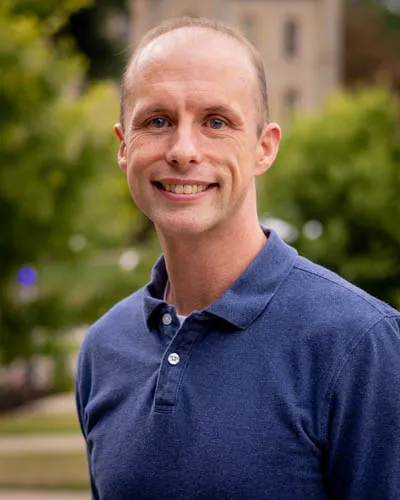
Zachary Kail is a faculty member in the Department of Bible and Philosophy at Geneva College, a Christian liberal arts institution located in Beaver Falls, Pennsylvania. He contributes to the academic and spiritual formation of students through teaching and scholarship rooted in Reformed theological traditions.
Education:
- Ph.D. in Hermeneutics and Biblical Interpretation (New Testament), Westminster Theological Seminary, 2020
- M.Div., Reformed Presbyterian Theological Seminary, 2008
- B.S. in International Studies, Johns Hopkins University, 2004
Dr. Kail's research focuses on biblical hermeneutics, particularly New Testament interpretation within the Reformed tradition. His expertise is deeply informed by his mastery of ancient and modern languages, including Biblical Greek, Hebrew, Aramaic, Modern Greek, Spanish, German, French, and Italian. His work engages with the theological legacy of John Calvin and the development of Reformed thought.
His publications reflect a strong commitment to scholarly rigor in theological bibliography and historical analysis. The two available works center on Calvin’s writings and intellectual heritage, indicating a focused trajectory in Reformation-era theology and its contemporary application.
Scientific Awards:
- Hermeneutics and Biblical Interpretation Grant, Westminster Theological Seminary (2013–2018)
- Ray Joseph Award for Middlers, Reformed Presbyterian Theological Seminary (2007)
Dr. Kail has served as a pastor for 15 years, with 10 years of ministry overseas, which informs his academic and mentoring approach. While no formal grant details beyond the named fellowship are listed, his sustained research support suggests active engagement in theological scholarship. He has advised or mentored students indirectly through pastoral and academic roles, though no named advisees are listed.
He is affiliated with the Greek Evangelical Church of Cyprus as a minister, integrating ecclesial service with academic vocation. His work bridges the academy and the church, particularly in contexts involving cross-cultural theology and biblical interpretation.