Yao Fu
استادیار · Atlantic Meridional Overturning Circulation (AMOC)
University of South Floridaمعرفی
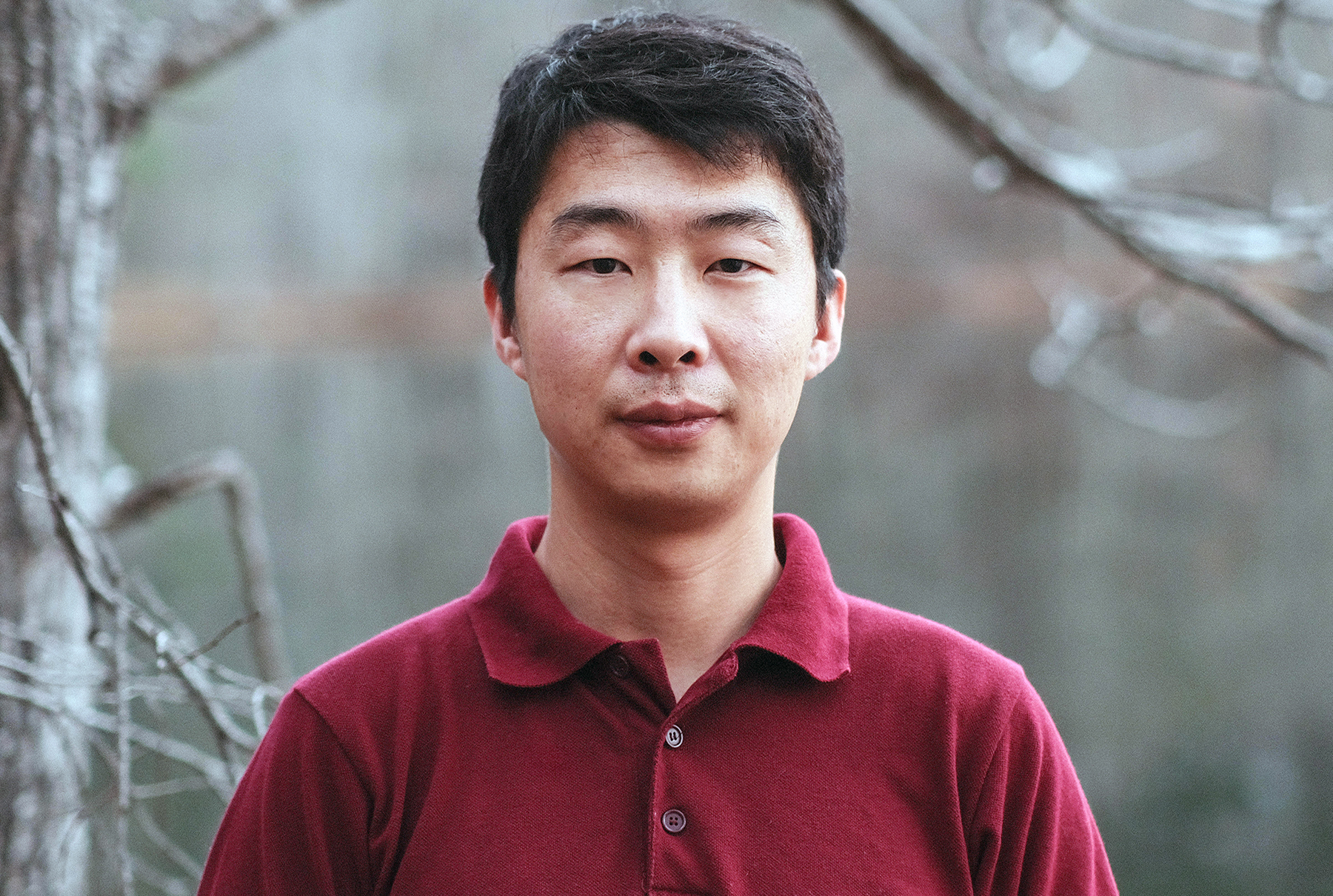
Dr. Yao Fu serves as an Assistant Professor in the Department of Physical Oceanography at the University of South Florida's College of Marine Science. His research focuses on large-scale ocean circulation dynamics in the Atlantic Ocean and their critical role in global climate regulation, with particular emphasis on observational analysis and climate modeling.
Education:
- Ph.D. in Physical Oceanography from GEOMAR Helmholtz Centre for Ocean Research Kiel and Kiel University, Germany
- Master's degree in Physical Oceanography from Kiel University, Germany
- Undergraduate studies in Dalian, China
Dr. Fu's research centers on the Atlantic Meridional Overturning Circulation (AMOC), wind-driven Subtropical Cells, and water mass properties. He investigates how ocean circulation redistributes heat, freshwater, oxygen, and carbon globally, employing satellite observations, in-situ measurements, and climate models to understand circulation dynamics and predict future climate changes. His work reveals critical decoupling between water mass properties and overturning circulation stability, challenging previous assumptions about North Atlantic climate responses.
Analysis of his 15 most recent publications (2020-2025) demonstrates consistent focus on AMOC variability using OSNAP array data, with growing emphasis on seasonal overturning cycles and Subtropical Cell dynamics. His research increasingly integrates multi-platform observations with CMIP6 model evaluations, revealing model deficiencies in simulating Southern Hemisphere wind-ocean interactions and highlighting the Irminger Gyre's role as a key driver of subpolar overturning.
Scientific Awards:
- No specific awards mentioned in source materials
Dr. Fu actively recruits graduate students for Fall 2025 enrollment and maintains research collaborations through international programs like OSNAP. His work is likely supported by climate observation and modeling grants, though specific funding sources aren't detailed in available materials. He emphasizes training the next generation of oceanographers through graduate supervision and field research opportunities.
He participates in major ocean observing initiatives including the Overturning in the Subpolar North Atlantic Program (OSNAP) and contributes to global climate assessments. His research integrates data from satellite altimetry, Argo floats, hydrographic sections, and climate models within interdisciplinary teams focused on North Atlantic climate dynamics and prediction.