معرفی
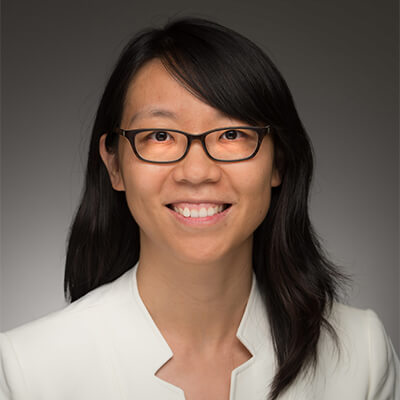
Xuemin (Sheryl) Lu is an Associate Professor of the Practice in the Department of Biological Sciences at the University of Notre Dame, College of Science. She also serves as the Undergraduate Research Director, fostering student engagement in scientific inquiry. Her work bridges academic research and translational innovation, particularly in genomics and personalized medicine.
- Ph.D. in Molecular Biology, Princeton University
- B.S. in Math & Physics, Tsinghua University, China
Her academic interests center on leveraging large-scale genomic data for precision medicine, with a focus on interpreting clinical relevance in individual genomes. She is passionate about translating biological discoveries into real-world applications through technology transfer and commercialization. Her research spans cancer biology, cellular and molecular mechanisms, developmental processes, and genetic regulation.
The recent articles highlight her expertise in cancer metastasis, cell cycle control in early development (particularly in Drosophila), and genomic regulation. These works reflect a strong interdisciplinary approach combining molecular biology, genetics, and translational oncology. Key themes include tumor microenvironment interactions, polyploidy in cancer progression, and embryonic gene activation.
Scientific recognition includes:
- Ruth L. Kirschstein National Research Fellow, Baylor College of Medicine
Dr. Lu has advised numerous research projects and mentored undergraduates through her leadership role. While no external grants are listed, her industry experience as Product Lead and Senior Clinical Scientist at Admera Health demonstrates applied research leadership. Her work integrates academic rigor with practical innovation in biotechnology and personalized healthcare.
She leads initiatives in undergraduate research and collaborates across academic and industrial settings, contributing to both foundational science and its clinical translation. Her lab and team efforts emphasize training the next generation of scientists while advancing knowledge in genomics and disease mechanisms.