معرفی
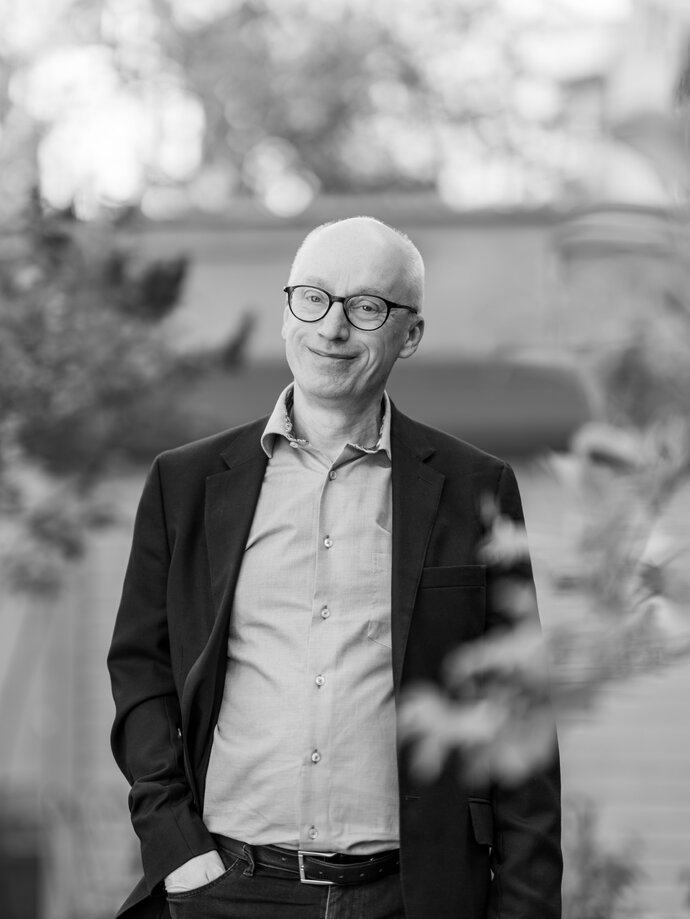
Ulrika Holgersson is an Associate Professor in History and Senior Lecturer in Media History and Journalism at Lund University's Department of History, within the Joint Faculties of Humanities and Theology. Her research explores the spirit of times in Swedish 20th century society through various media forms including press, newsreels, and feature films, with particular focus on gender, class, democracy, and egalitarianism.
Her research interests span media history, gender history, and labor history, with specific focus on:
- Media events and their role in national identity formation
- Class and gender negotiations in Swedish society
- Mediations of politics, death, and memory
- Funerals as media events
- Monarchy and democracy in Swedish historical narratives
- Working class women and servants in historical context
Professor Holgersson's recent publications demonstrate a consistent focus on how media shapes historical understanding, particularly examining Swedish 20th century society. She frequently analyzes feature films, popular press, and media events to explore the intersections of class, gender, and national identity formation. Her work often centers on how democratic values and egalitarian ideals were negotiated and represented through various media forms, with particular attention to funerals and media events as sites of national identity construction.
Her notable scientific achievements include:
- The King Oscar II Prize for best dissertation in Humanities and Theology at Lund University (2006)
- Martin Weibull Prize for best dissertation at the Department of History, Lund University (2006)
Professor Holgersson has served in various academic leadership roles including as Head of Department of Communication and Media (2021-2024), member of the Swedish Research Council's review panel HS-I for Historical disciplines and Archaeology (2018-2020), and editor of the scientific journal Scandia (2009-2012). She is currently leading the research project 'In Light of the Dead. Constructions of National Identities at Public Funerals in the Shape of Media Events in Sweden, 1901–2003' funded by the Swedish Research Council.
She is actively involved in several academic communities including The Scientific Society in Lund (since 2017), the Swedish Society of Media History (since 2020), and serves on the scientific advisory board for The Gender and Work project at Uppsala University (since 2018).