معرفی
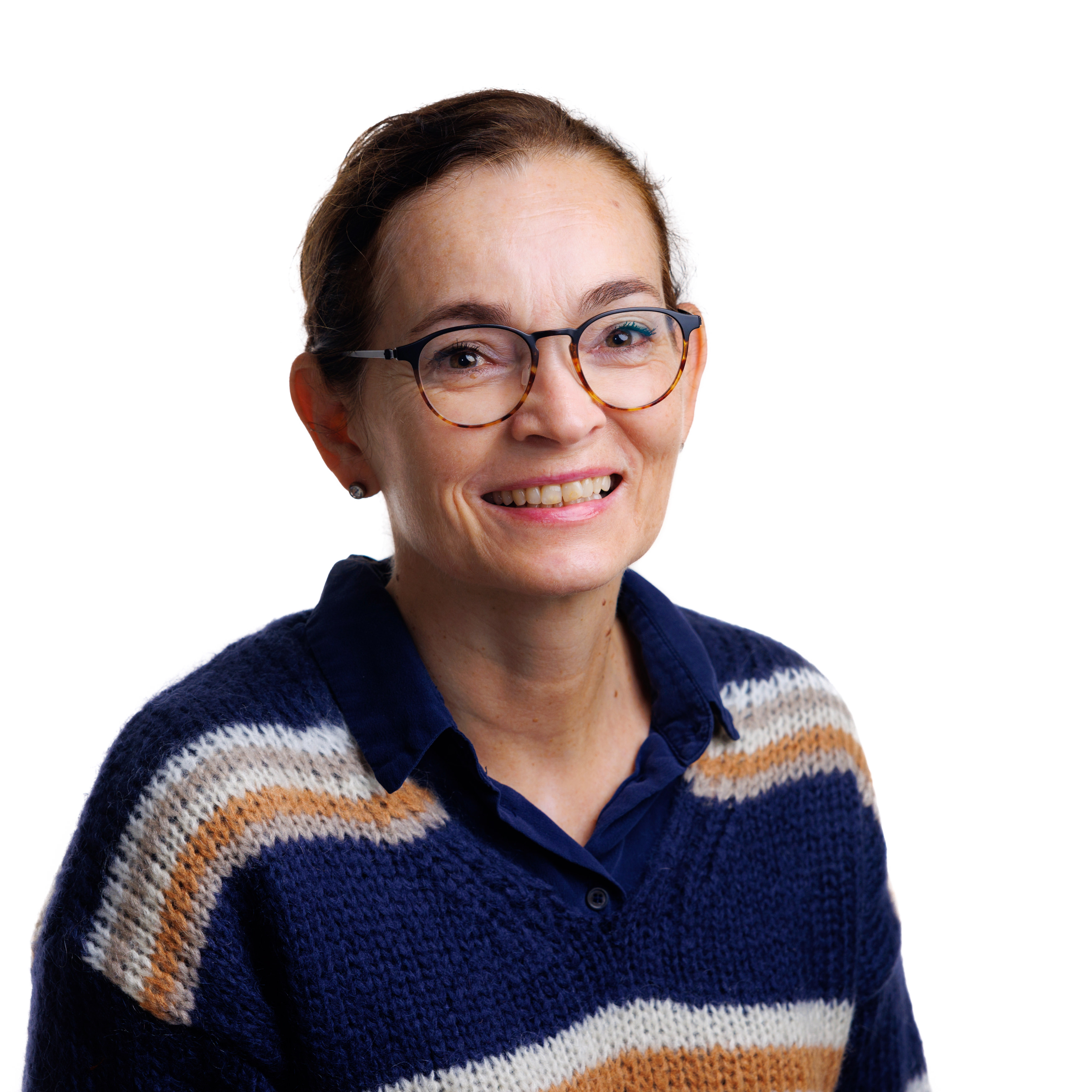
Trude Havik is a Professor at the University of Stavanger, affiliated with the Faculty of Arts and Education and the Norwegian Centre for Learning Environment and Behavioral Research in Education. Her research focuses on critical issues in education, including school attendance, student engagement, classroom dynamics, and mental health.
- Institution: University of Stavanger
- School: Faculty of Arts and Education
- Department: Norwegian Centre for Learning Environment and Behavioral Research in Education
- Email: trude.havik@uis.no
- Location: Læringsmiljøsenteret, Stavanger
Her research interests lie at the intersection of psychology and education, particularly in understanding school refusal, absenteeism, bullying, and the role of teachers in shaping classroom environments. She investigates how instructional support, school climate, and peer relationships influence student behavior and learning outcomes.
Her recent publications (2020–2025) show a strong trend in qualitative and quantitative studies on school attendance problems, student engagement, and mental health. Articles frequently appear in journals such as Frontiers in Education, Scandinavian Journal of Educational Research, and Learning and Individual Differences, highlighting her contributions to educational psychology and behavioral research.
While no formal awards are listed in the provided text, her extensive publication record and leadership in national research projects indicate significant scholarly recognition.
Trude Havik has collaborated with researchers such as Sigrun K. Ertesvåg, Jo Magne Ingul, and Maren Stahl Lerang on studies related to school climate, intervention programs, and teacher experiences. She has contributed to book chapters on school refusal, homeschooling, and preventive interventions like the Olweus Bullying Prevention Program, demonstrating applied research impact.
She has been involved in numerous school-based evaluations and reports, particularly through the ConnectOSLO project and MILISA initiative, providing feedback to schools and educational authorities on learning environments and student well-being.