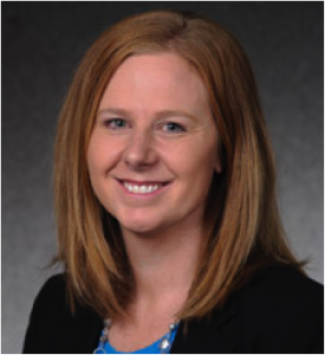
معرفی
Tracey Revenson is Professor of Psychology at Hunter College and the Graduate Center of the City University of New York. She conducts research on stress, coping, and social support processes in chronic illness contexts, with a focus on gender, race/ethnicity, and socioeconomic status. Her work spans multiple domains including cancer, rheumatoid arthritis, and COPD, and she leads the Coping and Health in Context (CHiC) Lab.
- BA in Theatre and Psychology, Yale University (1979)
- PhD in Psychology, New York University (1983)
- Postdoctoral training in Social Ecology, University of California, Irvine
Dr. Revenson's research examines psychosocial adjustment to serious illness across individuals, couples, and families. She investigates dyadic coping, stigma in skin diseases, and interventions for sleep hygiene and physical activity. Her lab uses mixed methods including in-person interviews, internet surveys, and focus groups to address broad audiences in psychology and healthcare.
The CHiC Lab's current projects include NIH-funded trials for cancer communication tools, studies on blood cancer stress in young adults, family dynamics in Bengali hypertension, and multimorbidity in older populations. Publications span 2024-2019, with prominent works on health psychology training, behavioral medicine, and psychosocial interventions.
- Nathan Perry Award for Career Contributions to Health Psychology (2013)
- Award for Excellence in Mentoring (Society for Health Psychology & Society for Behavioral Medicine)
- Fellow, American Psychological Association
- Fellow, Society for Behavioral Medicine
- Fellow, European Health Psychology Society
- Fellow, Academy of Behavioral Medicine Research
As Editor-in-Chief of Annals of Behavioral Medicine and former President of the Society for Health Psychology (APA), Dr. Revenson has shaped field priorities. She mentors students and leads NIH-funded research, emphasizing naturalistic settings and social contextual factors in health outcomes.
The CHiC Lab operates from Hunter College (695 Park Avenue, Suite 1200) and includes research on asthma, sleep interventions, dyadic coping, and cultural influences. The lab actively seeks participants for studies on chronic disease adaptation and offers collaborative opportunities for students and researchers.