معرفی
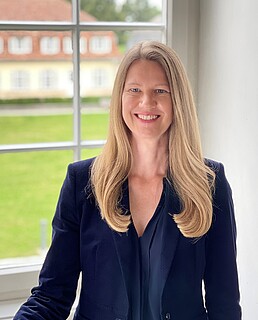
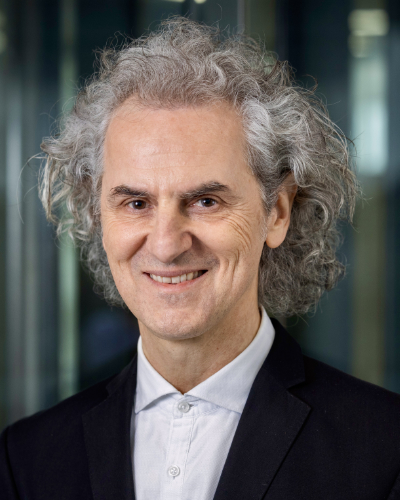
Tobias Dienlin is a Full Professor of Empirical Communication and Media Research at the University of Zurich, affiliated with the Department of Media Psychology & Methods. Previously, he held positions at the University of Vienna as Associate and Assistant Professor of Interactive Communication, and earlier roles as a researcher at the University of Hohenheim and visiting scholarships at UC Santa Barbara and Ohio State University. His research focuses on the psychological and societal impacts of digital media, particularly social media’s effects on well-being, privacy behaviors, and open science practices.
Education includes a Ph.D. in Social Sciences (2017) from the University of Hohenheim and a Master’s in Psychology from Johannes Gutenberg-University Mainz (2012). He has received significant grants such as the CHANSE NORFACE-funded €1.5M PROMISE project (2025) as principal investigator, exploring social media policies for youth well-being. His awards include the University of Vienna Teaching Award (2021) and top paper recognitions at ICA conferences (2016–2017).
Key research themes include the privacy calculus model, media effects on mental health, and digital media’s role in social competence development. He actively promotes open science practices through publications like An agenda for open science in communication (2021) and methodological innovations in reproducible research. His work bridges empirical rigor with societal relevance, addressing challenges like digitalization’s impact on democracy and mental health.
- Grants:
- PROMISE Project (2025): €483k ad personam
- Freiräume Schaffen Grant (2024): €3,850
- DAAD Travel Grants (2013–2016): €1,452–€577
- Awards:
- Teaching Excellence (2021)
- ICA Top Paper (2017) and Promising Student Paper (2016)
- Best Diploma Thesis (2012)
His research agenda emphasizes interdisciplinary collaboration, with labs focusing on media psychology and open science advocacy. He contributes to policy debates on digital media’s societal implications while maintaining a commitment to methodological transparency.