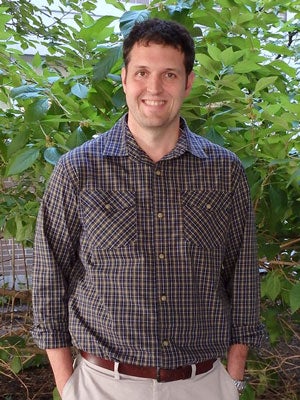
معرفی
Dr. Timea Feller is a Wellcome Early Career Research Fellow at the School of Medicine, University of Leeds, Faculty of Medicine & Health. Her research is centered on the mechanical and structural properties of fibrin, a key protein in blood clot formation and stability. She employs advanced biophysical techniques such as atomic force microscopy (AFM), magnetic microrheology, and passive rheology to investigate fibrin at molecular, fiber, and network levels.
Her research focuses on understanding the internal structure of fibrin fibers, particularly the role of protofibril branching and the αC-region in determining mechanical behavior such as high extensibility and strain stiffening. She challenges existing models by proposing a novel structural concept where sparse, dynamic connections between protofibrils explain the unique elasticity of fibrin. This work has implications for understanding and treating thrombotic diseases like heart attack, stroke, and venous thromboembolism.
The trends in her research, though not reflected in a publication list here, emphasize interdisciplinary biophysics, combining structural biology with mechanical analysis. Her work bridges molecular structure and macroscopic clot behavior, utilizing both active and passive microrheology to characterize viscoelastic properties across a broad frequency range and small sample volumes.
Scientific Awards:
- Wellcome Early Career Research Fellowship
Dr. Feller has been supported by competitive funding, notably the Wellcome Early Career Award, which enables her independent research program. She previously worked on a British Heart Foundation (BHF) Programme Grant under Prof. Ariëns. While no students are listed, her research involves collaboration, particularly with Dr. Simon Connell in developing rheological methodologies. Her work has strong translational potential in diagnostics and therapeutic targeting of pathological clots.
She is based at the Light Building (LICAMM), level 7, desk 23, and her research contributes to the broader understanding of soft biological networks and hydrogels beyond fibrin.