معرفی
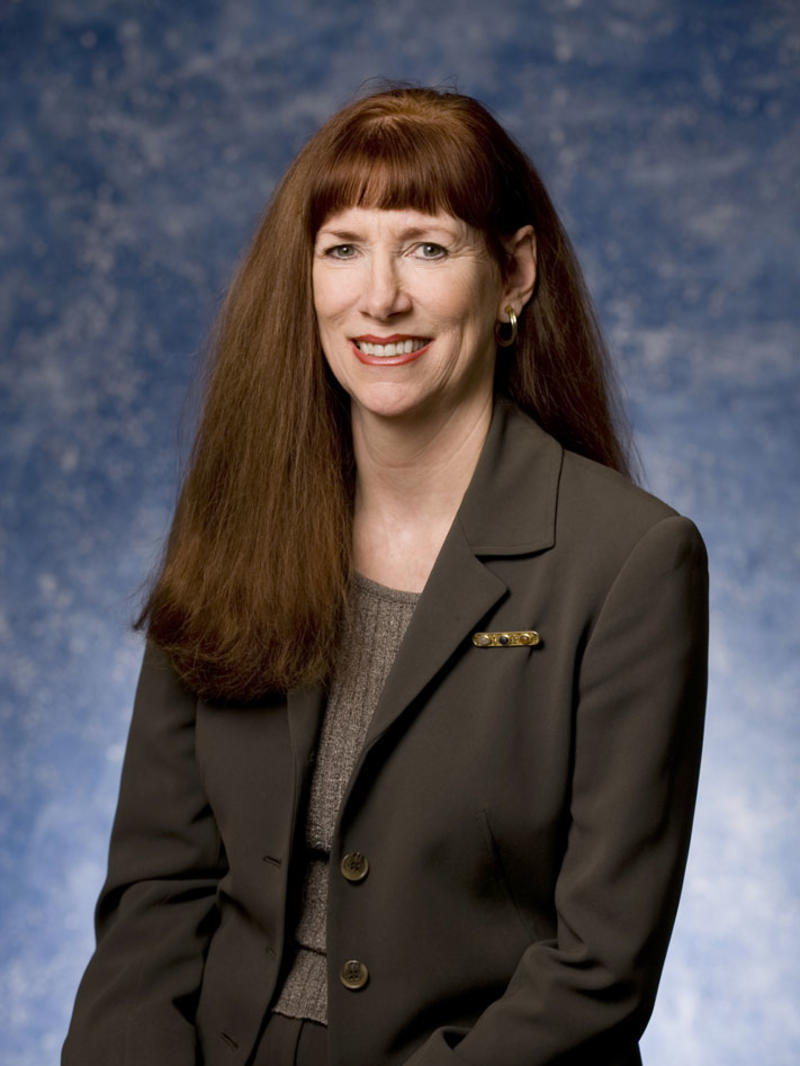
Dr. Suzanne K. Murphy is a Professor in the Department of Biological Sciences at the University of the Sciences in Philadelphia and Dean Emeritus of the Misher College of Arts and Sciences. She served as Dean (2009-2018), Interim Dean (2007-2009), and Associate Dean (2005-2007) of the college. Her research focuses on heat shock proteins (HSPs) in cellular stress response and cancer progression, particularly in lung carcinomas and osmotic stress adaptation.
Education
- B.A., Rosemont College
- Ph.D., Hahnemann University
- Post-Doctoral Fellowship, SmithKline and Beckman Laboratories Corp. (Department of Tumor Biology)
- Post-Doctoral Fellowship, Albert Einstein Medical Center (Department of Pediatrics)
Research Focus
Dr. Murphy's laboratory investigates HSP-mediated mechanisms in: 1) Osmotic stress tolerance in renal and hematopoietic cells, examining cytoskeletal reorganization and survival pathways; 2) Cancer progression, exploring HSP roles in chemoresistance (e.g., cisplatin resistance via HSP-27 phosphorylation) and metastasis (e.g., HSP-70 mediated anoikis evasion in lung carcinomas). Research employs molecular biology techniques including RNAi knockdown and signaling pathway analysis.
Publications Overview
Her recent articles (2011-2017) predominantly examine stress response pathways in cancer and renal systems, with recurring themes of HSP regulation (HSP27, HSP70), p38 MAPK signaling, and cytoskeletal dynamics. Earlier works (2006-2010) establish foundations in osmotic stress adaptation across cell types.
Honors and Awards
- Honorary Alumnus Award (2013)
- Homiller Award for Outstanding Teaching (2002)
- Alpha Chi Award for Outstanding Science Professor (1994)
- Alpha Lambda Delta Award for Outstanding Freshman Professor (1993)
- Advisor Recognition Award (1990)
- Lindback Foundation Award for Distinguished Teaching (1988)
- Faculty Special Recognition Award (1987)
Student Advising
Dr. Murphy has supervised numerous graduate and undergraduate researchers, including co-authors on publications studying HSP functions in stress and cancer models. Notable advisees contributed to work on NMDA receptors in stem cells, adenosine signaling in renal fibrosis, and caspase regulation in chemoresistance.