معرفی
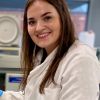
Professor Stephen Griffin is a distinguished academic at the University of Leeds, serving as Professor of Cancer Virology within the School of Medicine, Faculty of Medicine and Health. His extensive research portfolio spans virology, cancer biology, and immunotherapy, with particular expertise in viral ion channels (viroporins), viral oncology, and oncolytic viruses. Griffin leads a vibrant research team and holds significant responsibilities as Director of Post-Graduate Research Studies for the Leeds Institute of Medical Research (LIMR).
- BA (HONS) CANTAB, 1st Class, University of Cambridge, 1997
- PhD CANTAB, University of Cambridge, 2001
Griffin's research focuses on understanding and exploiting viral ion channels, exploring how viruses drive human malignancies (particularly liver and brain cancers), and developing viruses as immunotherapies for cancer treatment. His work bridges fundamental virology with translational applications, investigating pathogens including hepatitis C virus, SARS-CoV2, Zika virus, influenza, and cytomegalovirus. His laboratory employs structural biology, molecular virology, and cell biology approaches to uncover mechanisms of viral pathogenesis and identify novel therapeutic targets.
Analysis of his recent publications reveals a strong emphasis on viroporin structure and function, with significant contributions to understanding how viral ion channels can be targeted for therapeutic intervention. His work spans basic virology, cancer research, and public health, with notable contributions during the COVID-19 pandemic through his role as co-Chair of Independent SAGE.
- Former Chair of Virus Division, Microbiology Society
- Co-Chair of Independent SAGE
- Member of All Party Parliamentary Group on Coronavirus
- Featured on various government committees during the COVID crisis
Griffin actively mentors the next generation of scientists, supervising multiple PhD students including Hannah Beaumont, Alexandria Kilvington, Samantha Garcia Cardenas, James Coburn, and Laura Edwards, while also co-supervising numerous other doctoral candidates. His research is supported by various grants, including those from the British Society for Antimicrobial Chemotherapy, on which he serves as a Grants Panel Member. His laboratory, comprising postdoctoral researchers, research technicians, and students, collaborates extensively both within Leeds and with external institutions including Imperial College London, Institute of Cancer Research, and University of Glasgow.