معرفی
Dr John Barr is an Associate Professor in the School of Molecular and Cellular Biology at the University of Leeds, Faculty of Biological Sciences. His research focuses on the structure, function, and cell biology of negative-sense RNA viruses, particularly within the Paramyxoviridae family and Bunyavirales order. He is based in the Astbury Building (Room 8.108) and leads a multidisciplinary research group integrating structural biology, high-resolution microscopy, and molecular virology.
Research Interests: His work investigates fundamental mechanisms of viral infection, including:
- Structure and function of viral ribonucleoprotein (RNP) complexes
- Formation and characterization of virus factories (sites of viral replication)
- Host cell-pathogen interactions during infection
- Role of ionic triggers—particularly potassium ions—in activating viral fusion proteins for membrane entry
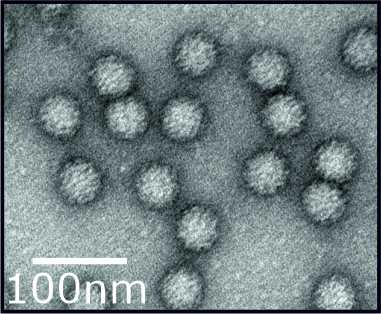
The research aims to uncover critical virus-host interactions that could serve as targets for antiviral therapies, while also using viruses as tools to probe native cellular processes. Techniques employed include cryo-electron microscopy, light microscopy, reverse genetics, and structural analysis.
No recent publications are listed in the provided text, so no article trends can be analyzed.
Scientific Awards:
- No awards or honors are mentioned in the provided text.
Advising and Grants: While specific students or grants are not listed, Dr Barr leads an active research group, suggesting ongoing supervision of postgraduate researchers (PhD and Master’s students) and likely involvement in externally funded research projects related to virology and structural biology. His work appears to be supported by institutional resources such as the Astbury Centre for Structural Molecular Biology.
Labs and Teams: Dr Barr’s research is conducted within the Astbury Centre at the University of Leeds, a leading facility for structural biology. His team employs a multidisciplinary approach, combining expertise in virology, cell biology, and imaging to study viral replication mechanisms.