معرفی
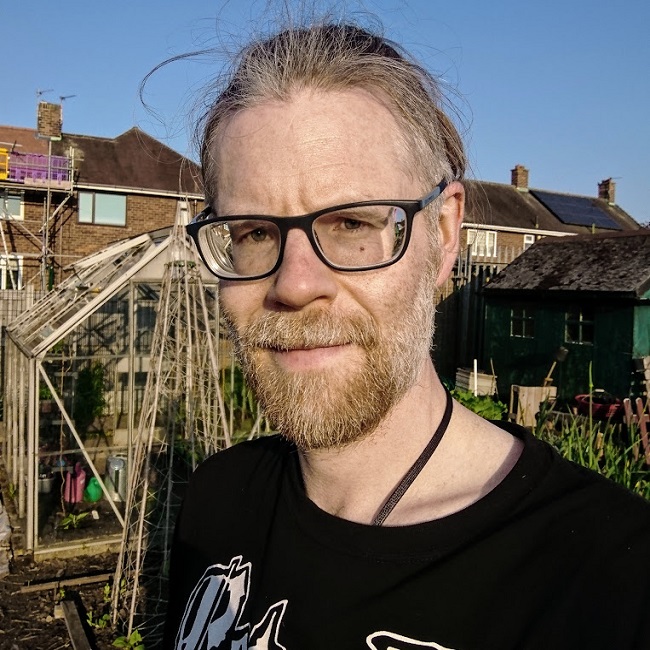
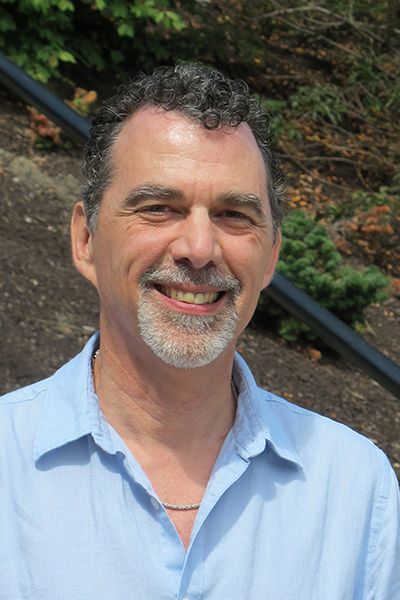
Simon Springer is a Professor of Human Geography at the University of Newcastle, Australia, and Co-Director of the PLACED Centre for Collaborative Research. He holds a PhD from the University of British Columbia and has held academic positions at institutions in Canada, New Zealand, and Singapore. His work centers on anarchist philosophy, mutual aid, and critiques of neoliberalism, particularly in Cambodia. Springer has authored over 30 books and 60 journal articles, including seminal works like The Anarchist Roots of Geography. He received the Sovereign's Medal for Volunteers (2018) for his work with homeless communities. His research explores anarchism’s intersection with geography, social justice, and radical pedagogy. Springer has secured over $1M in research funding and leads initiatives in critical geographies, vegan ethics, and anti-policing activism. His roles include editorial leadership in journals like ACME and contributions to global academic networks.
Education:
- PhD, University of British Columbia (Canada)
- M.A., Queen’s University (Canada)
- B.A., University of Northern British Columbia (Canada)
Research Interests: Springer’s work interrogates the spatial dimensions of anarchism, neoliberal violence, and mutual aid. He advocates for anarchist practices in education, urban planning, and environmental justice. His recent focus includes vegan geographies, critical animal studies, and the politicization of public space.
Awards & Grants:
- Sovereign’s Medal for Volunteers (2018)
- Early Career Research Excellence Award (2018)
- Stanley D. Brunn Young Scholar Award (2016)
- Over $1M in research grants across multiple nations
Advisory & Leadership: Springer has supervised numerous graduate students and led departments like the University of Newcastle’s Geography and Environmental Studies. He co-directs research centers and collaborates globally on projects addressing homelessness, climate crisis, and anti-authoritarian praxis.
Labs/Teams: Involved with the PLACED Centre and the Critical Geographies Research Collaboratory, focusing on interdisciplinary solutions to socio-spatial inequities.
 30.01.25.jpg)