معرفی
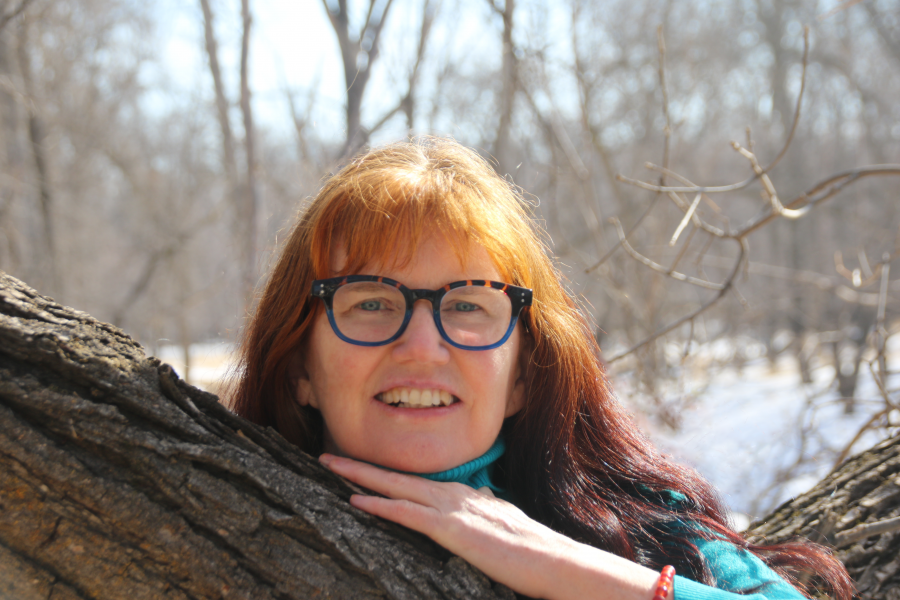
Dr. Shirley Thompson is an Associate Professor at the Natural Resources Institute within the Clayton H. Riddell Faculty of Environment, Earth, and Resources at the University of Manitoba. Her work focuses on community-driven solutions to environmental and social challenges faced by Indigenous communities, particularly in housing, food security, and environmental justice. She holds a Ph.D. from the University of Toronto and has extensive interdisciplinary training in chemical engineering, education, and community development.
Education:
- Doctor of Philosophy (Environmental Justice), University of Toronto (2002)
- Master of Chemical Engineering (Industrial Hygiene & Environmental Engineering), University of Toronto (1993)
- Bachelor of Education, University of Toronto (1995)
- Bachelor of Science (Biology & Chemistry), University of Waterloo (1987)
Research Interests: Thompson’s research integrates Indigenous knowledge with Western science to address systemic inequities. Key areas include:
- Indigenous food sovereignty through permaculture and cooperative models
- Climate-resilient housing design using local materials
- Environmental justice in resource extraction and flood-impacted communities
- Participatory video and mapping to document land use and displacement
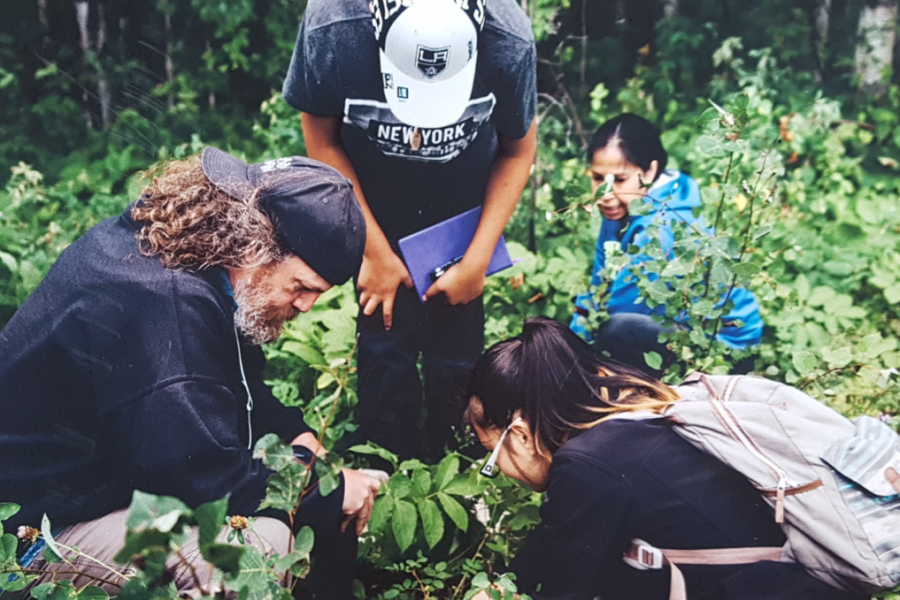
Outreach & Programs: She co-founded Camp Kitigay, Canada’s first ecosystem restoration camp, and chairs the Indigenous Food Systems internship program (Kitigay). Her work extends to media advocacy via the Mino Bimaadiziwin Partnership’s website, YouTube channel, and webinar series.
Grants & Governance: Thompson has adjudicated major funding programs (SSHRC, MITACS) and peer-reviewed journals including Community Development and BMC Public Health. She advocates for policy reforms addressing housing inequities and pandemic responses in Indigenous communities.
Labs & Collaborations: Her initiatives include the Mino Bimaadiziwin Partnership, Boreal Builders program, and partnerships with First Nations like Garden Hill and Wasagamack to map harvesting sites and reclaim food systems.