معرفی
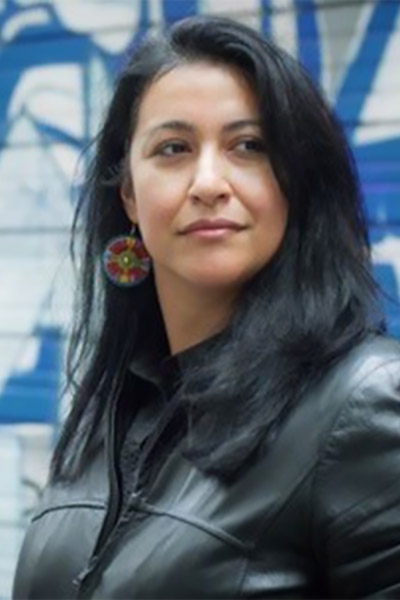
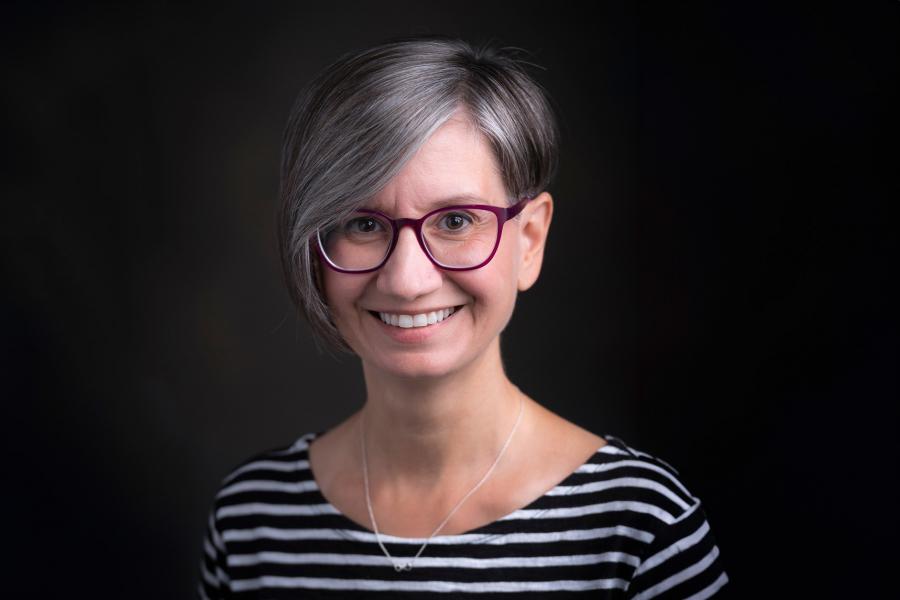
Nicole Muir is an Assistant Professor in the Department of Psychology within the Faculty of Arts at the University of Manitoba, specializing in clinical psychology with a focus on Indigenous populations. A Red River Métis scholar, she actively encourages First Nations, Inuit, and Métis students to pursue graduate studies under her supervision while completing supervised practice hours for Psychological Associate certification in Ontario through placements at Toronto Indigenous agencies Call Auntie and Auduzhe Mino Nesewinong.
Her educational background includes a PhD in Forensic Psychology (Mental Health, Law, & Policy) from Simon Fraser University (2020), an MA in Clinical Child Psychology (2015), a BA in English Literature from McGill University (1998), and a BEd in Elementary Education from the University of Saskatchewan (1994). Prior professional experience encompasses work at Indigenous child protection agencies, health units in Toronto, and as a consultant for children with special needs in Vancouver's Downtown Eastside.
Dr. Muir's research is anchored in Indigenous community partnered methodologies, rigorously examining colonialism's impact on trauma, victimization, and systemic involvement in legal/foster care systems. Her work prioritizes community relevance through Indigenous-led research design and dissemination, focusing on violence risk assessment tools, intergenerational trauma, and health justice for urban Indigenous populations.
Analysis of her 2020-2023 publications reveals a cohesive research trajectory investigating colonial structures through community-based lenses, with recurring themes of healthcare access disparities, culturally inappropriate assessment tools, and incarceration patterns among Indigenous peoples in urban Canadian settings. This body of work consistently advocates for decolonized research frameworks and Indigenous self-determination in health and justice contexts.
She currently mentors graduate students in Master's and PhD programs while maintaining active research partnerships with Indigenous organizations. Her postdoctoral fellowship at the University of Toronto's Well Living House involved developing Indigenous-led pandemic response initiatives, including a community-run COVID-19 testing/vaccination center and training Indigenous contact tracers.