معرفی
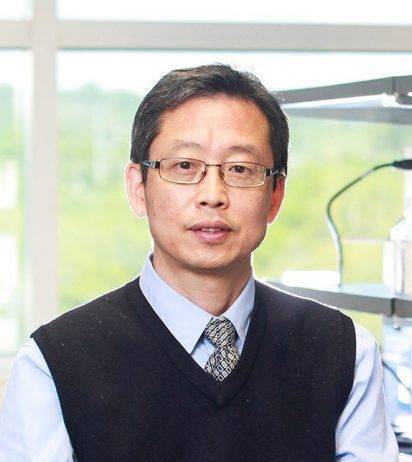
Shin Kang, PhD is an Associate Professor at Temple University's Lewis Katz School of Medicine in the Department of Neural Sciences and the Center for Neural Development and Repair. His academic appointments reflect a dual commitment to both foundational neuroscience research and translational applications in neural repair mechanisms.
- Lewis Katz School of Medicine, Temple University
- Department of Neural Sciences
- Center for Neural Development and Repair
Dr. Kang received his educational training through a rigorous neuroscience pathway: completing his PhD and Postdoctoral Fellowship in the Solomon H. Snyder Department of Neuroscience at Johns Hopkins University School of Medicine, preceded by a Master's in Molecular Biology and Bachelor's in Zoology from Seoul National University. This strong foundation in both basic science and specialized neuroscience prepared him for his current research focus.
His research program centers on glial progenitor biology and oligodendrocyte abnormalities in CNS diseases, investigating cellular and molecular mechanisms underlying regenerative glial responses to central nervous system injury. Dr. Kang's laboratory explores how glial cells - particularly oligodendrocyte progenitors that behave like stem cells - contribute to CNS repair through proliferation, differentiation, and direct monitoring of neuronal activity via synapse formation. His work reveals critical neuron-glia signaling mechanisms that regulate regenerative behaviors in health and disease, with implications for numerous neurological disorders where progenitor-derived regeneration becomes misregulated.
Analysis of Dr. Kang's publication record reveals a consistent focus on oligodendrocyte biology, neural regeneration, and CNS injury mechanisms over two decades. His research spans from fundamental cellular mechanisms to disease applications, particularly in amyotrophic lateral sclerosis and spinal cord injury contexts. The methodologies employed demonstrate technical sophistication including BAC transgenesis, in vivo cell fate tracing, cell-type specific functional manipulation, and molecular expression profiling in relevant mouse disease models.
While no specific scientific awards are listed in the available documentation, Dr. Kang's research program represents a significant contribution to the field of neural repair mechanisms. His work has been published in high-impact journals including Nature Neuroscience, Cell Reports, and Journal of Neuroscience, indicating peer recognition of his scientific contributions.
Dr. Kang's laboratory employs diverse molecular and genetic approaches to investigate regenerative mechanisms, utilizing mouse disease models to bridge basic science with potential therapeutic applications. His research program appears well-integrated within the neuroscience community, with frequent collaborations evident in his publication record, particularly with the Bergles laboratory at Johns Hopkins University.