معرفی
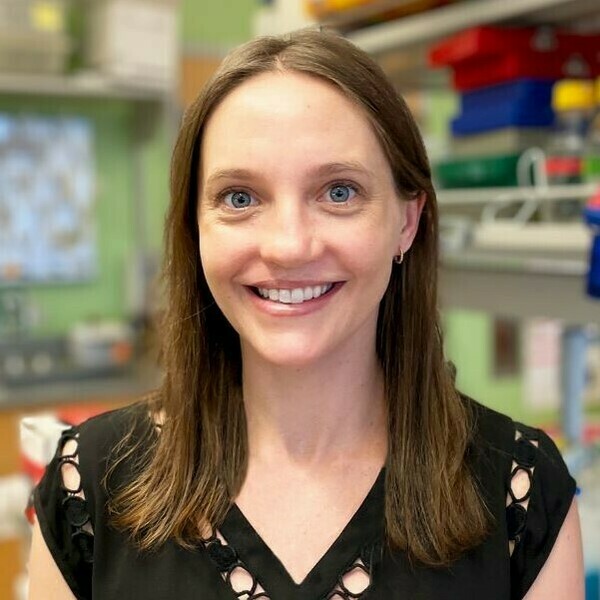
Katrina Adams is the Gallagher Assistant Professor in the Department of Biological Sciences at the University of Notre Dame, where she leads a research laboratory focused on brain development and regeneration. Her work bridges cellular and molecular neuroscience with regenerative medicine, particularly in the context of demyelinating diseases such as Multiple Sclerosis.
Her research interests center on glial cell biology, neural stem cells, and white matter regeneration. She investigates how glial progenitor cells respond to injury and disease, with a focus on oligodendrocyte development and myelination. Her lab uses mouse models of demyelination, human tissue analysis, single-cell transcriptomics, and advanced genetic tools to uncover conserved molecular pathways that could serve as therapeutic targets for brain repair.
The recent publications highlight a consistent trajectory in understanding endogenous repair mechanisms in the central nervous system. Her work spans developmental neurobiology, injury response, glial heterogeneity, and regenerative signaling pathways, with strong emphasis on translational relevance for neurodegenerative conditions and perinatal brain injury.
Selected Scientific Contributions:
- Investigated Sirt2 in white matter oligodendrogenesis and neonatal hypoxia
- Explored Endothelin-1 signaling in postnatal glial progenitor proliferation
- Examined environmental enrichment effects on white matter recovery
- Elucidated the complexity of glial scar formation
- Developed stem cell models of motor neuron differentiation
Katrina Adams mentors trainees in her lab and utilizes interdisciplinary approaches combining developmental biology, molecular signaling, and regenerative neuroscience. Her research is supported by institutional and likely federal funding, though specific grants are not listed. She collaborates with experts in neuroscience and stem cell biology, as evidenced by her co-authorships with prominent researchers like Vittorio Gallo and Bennett Novitch.
Her laboratory is located in the Galvin Life Science Center (Lab: Galvin 044, Office: Galvin 049), and she is actively contributing to the neuroscience research community through high-impact publications and innovative experimental models.
حوزههای پژوهشی