معرفی
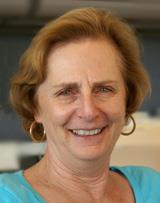
James L. Salzer is a Professor in both the Department of Neuroscience and Physiology and the Department of Neurology at NYU Grossman School of Medicine, New York University. He is a principal investigator at the Salzer Lab within the NYU Langone Health Neuroscience Institute, where he leads cutting-edge research on axon-glial interactions and myelination.
Dr. Salzer earned his MD and PhD from Washington University in St. Louis, establishing a strong foundation in both clinical medicine and basic science research.
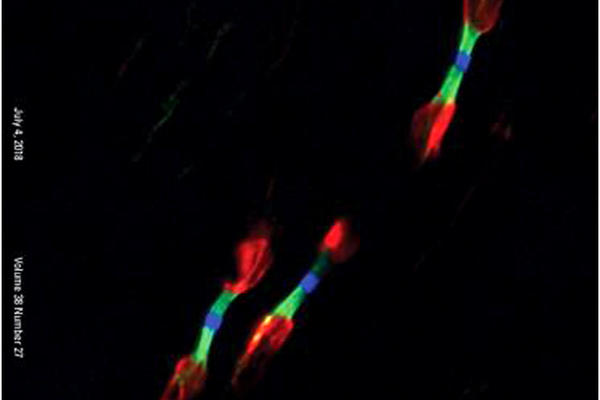
His research centers on the molecular and cellular mechanisms underlying myelination, demyelination, and remyelination in the central and peripheral nervous systems. Key interests include the role of glial cells in organizing axonal electrogenic domains such as nodes of Ranvier and the axon initial segment, the signaling pathways (including Sonic hedgehog and Gli1) regulating neural stem cell repair, and the interplay between microglia and neural stem cells during injury and repair. His work has significant implications for understanding and treating multiple sclerosis and other demyelinating diseases.
His recent publications, spanning high-impact journals such as Cold Spring Harbor Perspectives in Biology, Developmental Cell, and The Journal of Neuroscience, reflect a strong focus on Schwann cell biology, glial-axon signaling, and regenerative mechanisms in myelin disorders. The articles highlight advanced techniques including live imaging, transcriptomics, and electron microscopy, demonstrating a multidisciplinary approach to neuroscience.
Dr. Salzer mentors a dynamic research team comprising PhD and MD/PhD students, postdoctoral researchers, and research associates, fostering the next generation of neuroscientists. His lab receives support from major research grants, enabling extensive studies using transgenic mouse models, cocultures, and advanced imaging to dissect the biology of myelinated axons.
The Salzer Lab is actively involved in both fundamental discovery and translational research, aiming to develop therapeutic strategies for promoting nerve repair in demyelinating conditions. His work integrates molecular, cellular, and systems-level approaches to understand how neural circuits are assembled and maintained.
حوزههای پژوهشی