معرفی
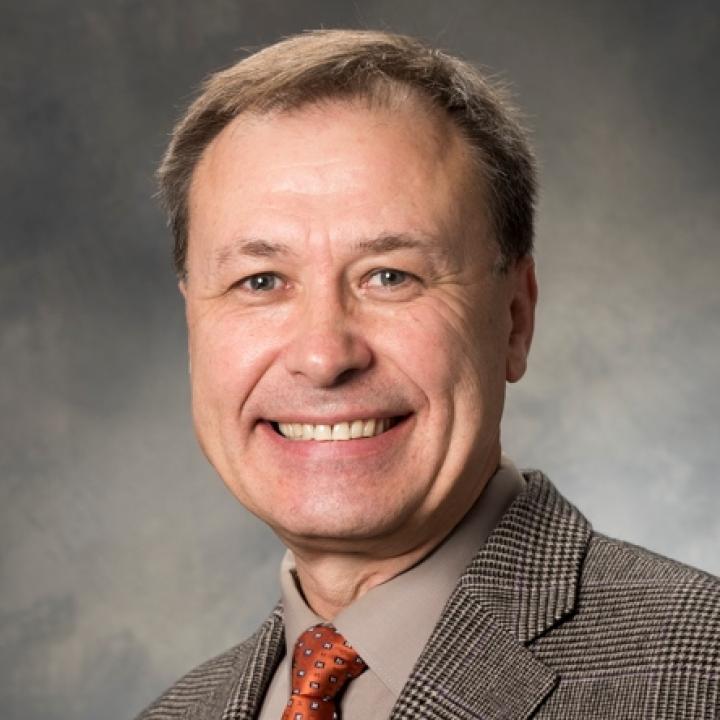
Sergey Kazakov is a Professor of Chemistry and Program Director of the Pharmaceutical Sciences Program at Pace University, within the Dyson College of Arts and Sciences. He is affiliated with the Chemistry/Physical Sciences department and maintains active research and teaching roles at both the Westchester and NYC campuses. His office is located in Dyson Hall, Costello House, and he can be reached at skazakov@pace.edu.
Education:
- Doctor of Physical and Mathematical Sciences, Moscow State University, Russia (1998)
Dr. Kazakov’s research focuses on advanced drug delivery systems, particularly hydrogel and lipid membrane assemblies such as lipobeads and microgels. His work integrates physical chemistry, biophysics, and nanotechnology to develop "smart" platforms for targeted chemotherapy with minimal side effects. He investigates the thermodynamics and kinetics of supramolecular self-organization, redox-responsive degradation, and controlled release mechanisms. His lab specializes in modeling natural biochemical reactors using artificial membrane/hydrogel systems.
His recent publications highlight a strong trend in redox- and pH-responsive microgels and lipobeads, with a focus on real-time degradation monitoring via confocal microscopy, swelling dynamics, and applications in anticancer drug delivery. These studies emphasize stimuli-responsive behavior, biodegradability, and precise control over drug release kinetics.
Scientific Awards and Honors:
- Marquis Who's Who Lifetime Achievement Award (2021)
- Dyson College Faculty Excellence in Scholarship Award (2010)
- Pace University Scholarly Research, Kenan Travel, and Presidential Release Time Awards (2003–2022)
- Dyson College Summer Research Awards (2004–2019)
- Pace Undergraduate Student Academic Conference Travel Fund (multiple years)
- Swedish Institute Scholarships (1999, 2000)
- Certificate for Mentoring, ACS Undergraduate Research Symposium (2019)
Dr. Kazakov is a dedicated mentor who has supervised numerous undergraduate and graduate students, many of whom have co-authored publications and presented at national conferences. He has secured external funding from the National Science Foundation and the American Chemical Society. He actively serves on multiple university committees and has contributed to curriculum development, student advising, and program leadership. He is also a prolific reviewer for over 25 scientific journals, including Langmuir, ACS Nano, and Pharmaceutics.
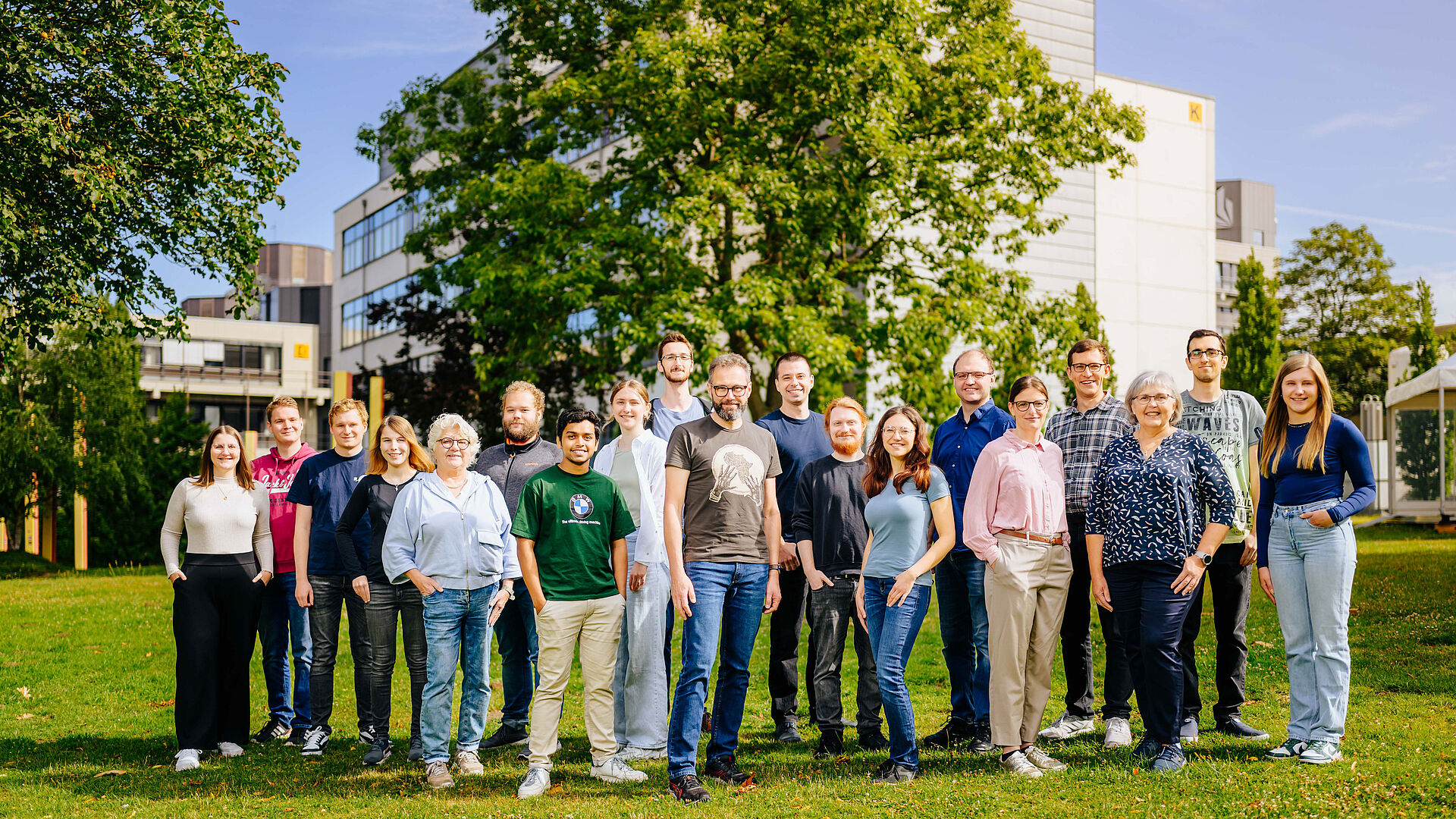
His research lab focuses on the development of lipobeads and degradable microgels for drug and gene delivery, supported by ongoing grants and interdisciplinary collaborations. The team uses advanced techniques such as confocal microscopy and spectroscopy to study mechanochemical responses in polymer networks.