معرفی
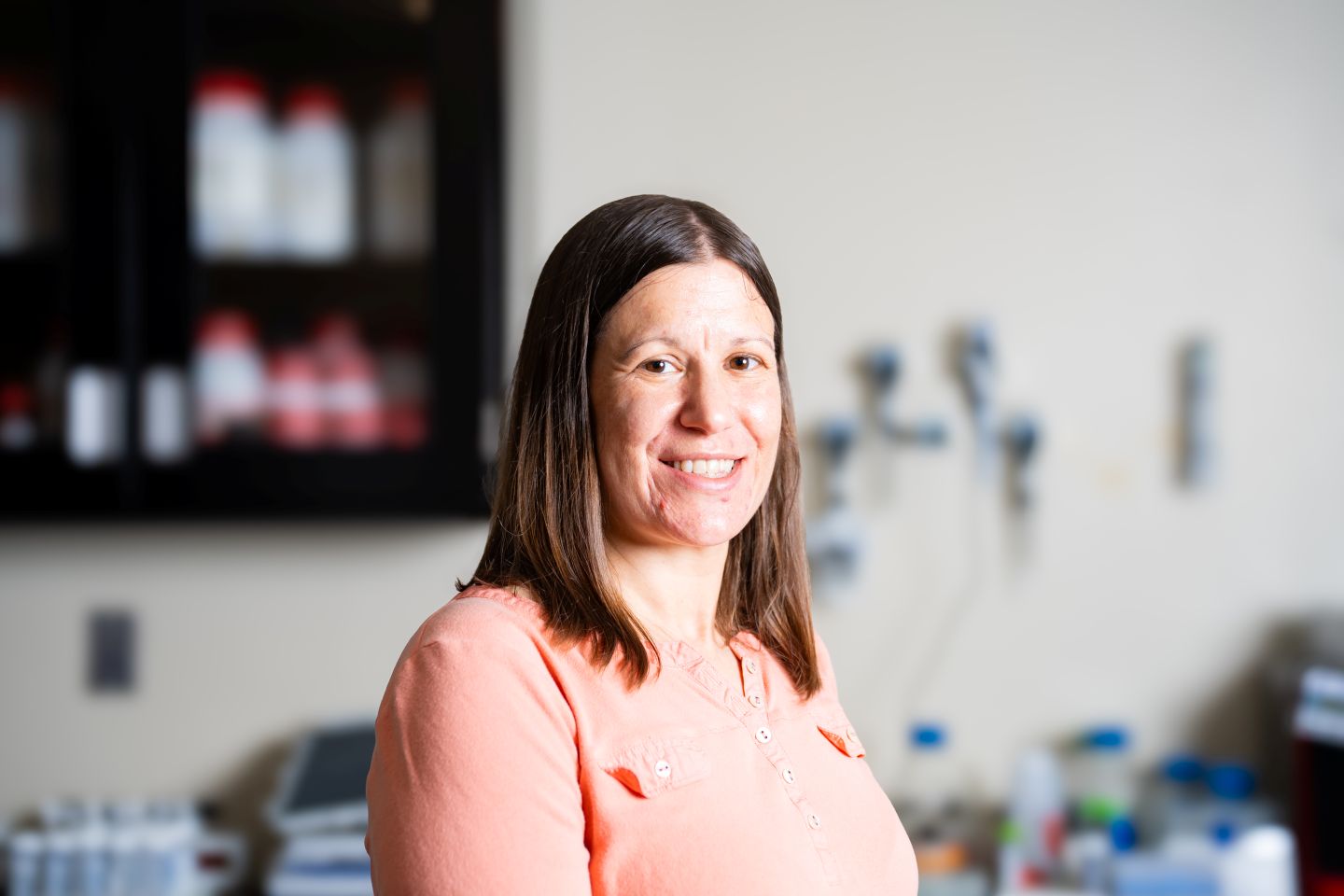
Aaron Steiner is an Associate Professor and Department Chairperson in the Department of Biology at Dyson College of Arts and Sciences, Pace University. He is based at the Westchester campus in Dyson Hall, Room 221, and can be reached at asteiner@pace.edu. His office hours are on Tuesdays from 11:00 AM to 1:00 PM and Wednesdays from 1:00 PM to 3:00 PM.
Education:
- PhD in Cell and Molecular Biology, University of Pennsylvania School of Medicine, 2006
- BS in Biology, Brandeis University, 2000
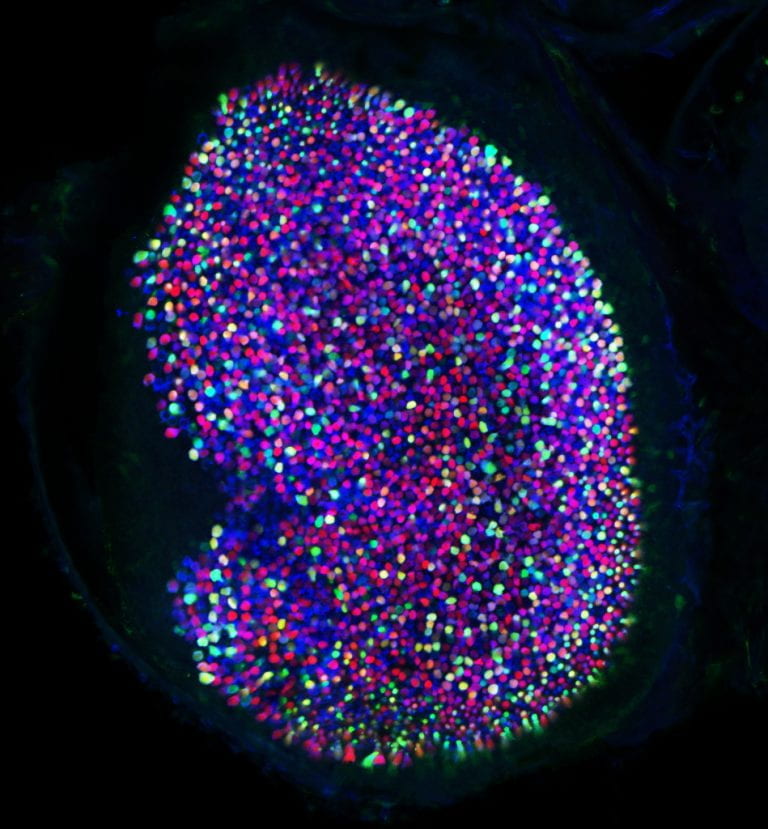
Dr. Steiner's research centers on the development and regeneration of sensory systems, particularly sensory hair cells responsible for hearing and balance. These cells degenerate with age or due to noise and ototoxic drugs, and unlike in mammals, zebrafish naturally regenerate them. His lab leverages zebrafish as a model to uncover the molecular and cellular mechanisms enabling regeneration, aiming to translate findings into therapies for human hearing loss. He employs genetic tools and advanced microscopy to dissect regenerative pathways.
His recent publications span topics including hair cell regeneration, gene expression in neural development, and live imaging techniques. The work demonstrates a consistent focus on sensory biology, regeneration mechanisms, and innovative experimental assays using zebrafish. His publications appear in high-impact journals such as PNAS, PLOS ONE, and Journal of Visualized Experiments.
Scientific Awards:
- No awards listed in the provided text.
Dr. Steiner mentors students through research courses such as BIO 480, BIO 481, BMB 710, and BMB 711, indicating active supervision of undergraduate and graduate researchers. While specific grants are not mentioned, his ongoing research program and publication record suggest sustained funding. He teaches a broad range of courses, including General Biology, Genetics, Neurobiology, Developmental Biology, and independent research modules.
His laboratory focuses on the zebrafish lateral line system as a model for sensory regeneration. The team utilizes confocal microscopy, laser ablation, and genetic analysis to study progenitor cell behavior and molecular regulation during regeneration. This work contributes to the broader field of regenerative medicine and neural repair.