معرفی
Professor Sarah Fidler is Professor of HIV and Communicable Diseases in the Department of Infectious Disease at Imperial College London's Faculty of Medicine, where she provides clinical care for people living with HIV while leading groundbreaking research in HIV cure strategies and public health interventions.
Her academic credentials include:
- PhD, Imperial College London (1993-1998)
- MBBS, King's College London (1982-1988)
- BSc, University College London (1984-1985)
- MRCP, Royal College of Physicians, London (1992)
Professor Fidler's research program focuses on HIV cure mechanisms, early antiretroviral therapy, and community-level interventions for HIV/TB co-infection. Her work integrates virological analysis with real-world implementation science, particularly through the HPTN 071 (PopART) trial across Zambia and South Africa. Key themes include reservoir characterization in early-treated infection, optimizing ART initiation strategies, and addressing health disparities in perinatally infected aging populations.
Analysis of her 15 most recent publications reveals dominant trends in community-based HIV/TB service integration (42% of articles), advanced virological monitoring (28%), and adolescent/youth health interventions (20%), with increasing emphasis on implementation challenges in sub-Saharan African settings. Over 75% of her 2023-2025 work directly utilizes HPTN 071 data.
As principal investigator for major trials including CAR-iNKT, RIVER, and Yathu Yathu, she secures substantial funding from NIHR and NIH for HIV cure research and public health implementation. Her team structure demonstrates strong integration of clinical care (St Mary's Hospital), laboratory science (Section of Virology), and community engagement.
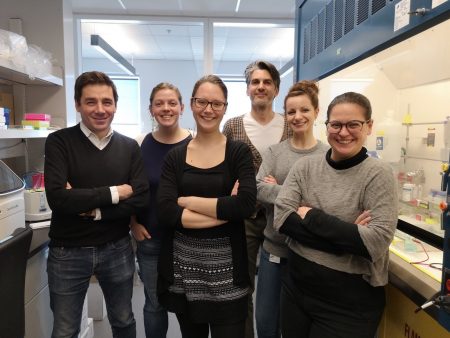
Professor Fidler directs research through the St Mary's Clinical Trials Centre, leading a multidisciplinary team investigating HIV reservoir dynamics, TB co-infection management, and behavioral interventions for vulnerable populations. Her current work prioritizes translating cure research into clinical practice while addressing structural barriers in high-burden settings.