معرفی
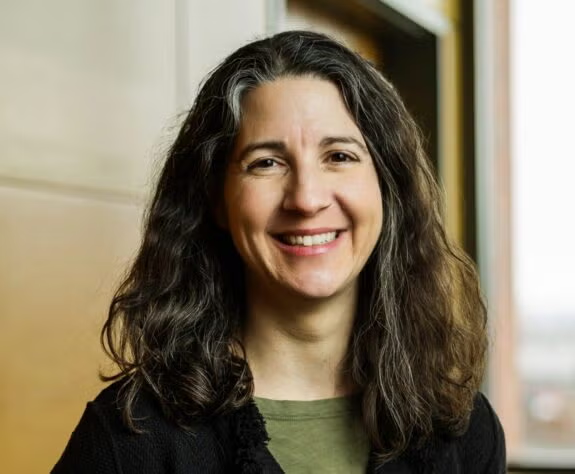
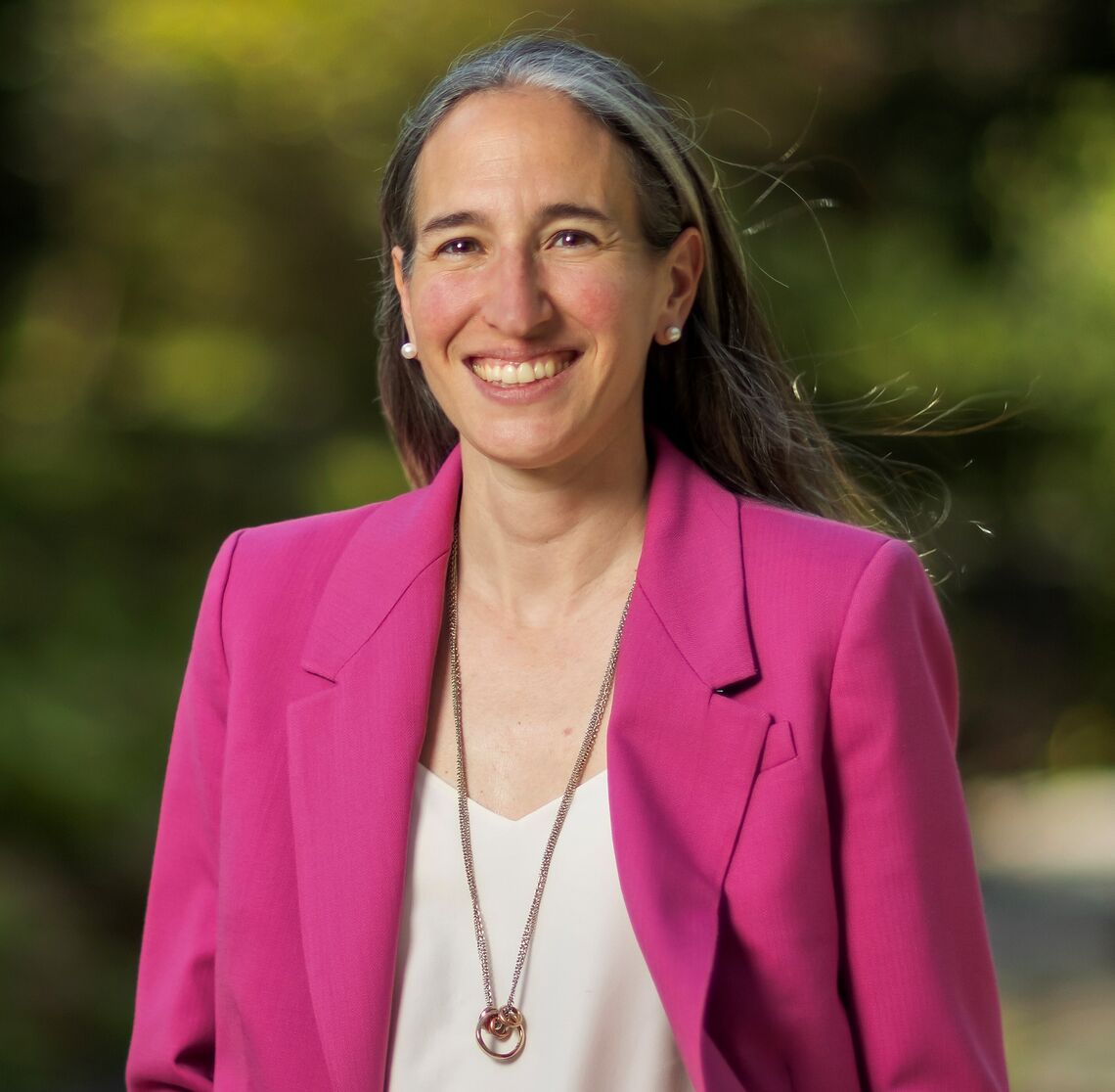
Sarah E. Light is the Mitchell J. Blutt and Margo Krody Blutt Presidential Professor and Professor of Legal Studies & Business Ethics at the University of Pennsylvania's Wharton School. She serves as Faculty Co-Director of Wharton’s Climate Center and holds primary appointments in the Legal Studies & Business Ethics department.
Her educational background includes a JD from Yale Law School (2000), an M. Phil in Politics from Oxford University as a Rhodes Scholar (1997), and an AB in Social Studies, Magna Cum Laude, from Harvard University (1995).
Professor Light's research examines the intersection of environmental law, corporate sustainability, and business innovation. Her work addresses how corporate law structures function as environmental law, private environmental governance through business actions (including carbon fees and financial sector decisions), and First Amendment implications of regulating greenwashing. She employs interdisciplinary approaches connecting legal doctrine with business strategy and environmental science.
Her publications reveal strong trends in private environmental governance mechanisms, climate risk management in financial systems, and the evolving regulatory landscape for corporate sustainability claims. Recent work focuses on greenwashing regulation, banking sector climate action, and non-extractive corporate relationships with public lands.
- Penn Fellows Program (2023-2024)
- Multiple Wharton Teaching Excellence Awards (2018-2021)
- ARCS Emerging Sustainability Scholar Award (2018)
- Haub Environmental Law Distinguished Junior Scholar (2015)
- Top 20 Article in Environmental Law & Policy Annual Review (2020)
Professor Light has advised numerous student groups and projects, particularly through experiential courses like 'Wharton in the Wild' where she leads field-based environmental management education. Her grant activities include leadership roles at the Wharton Climate Center and Penn Program on Regulation, with research supported by interdisciplinary initiatives focused on climate governance and business innovation. She maintains active pro bono mediation work with federal courts and community organizations.
As Faculty Co-Director of the Wharton Climate Center, she leads interdisciplinary research initiatives connecting business strategy with climate solutions, fostering collaboration between academia, industry, and policymakers through conferences, publications, and executive education programs.