معرفی
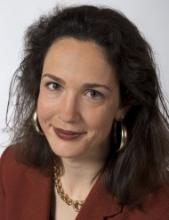
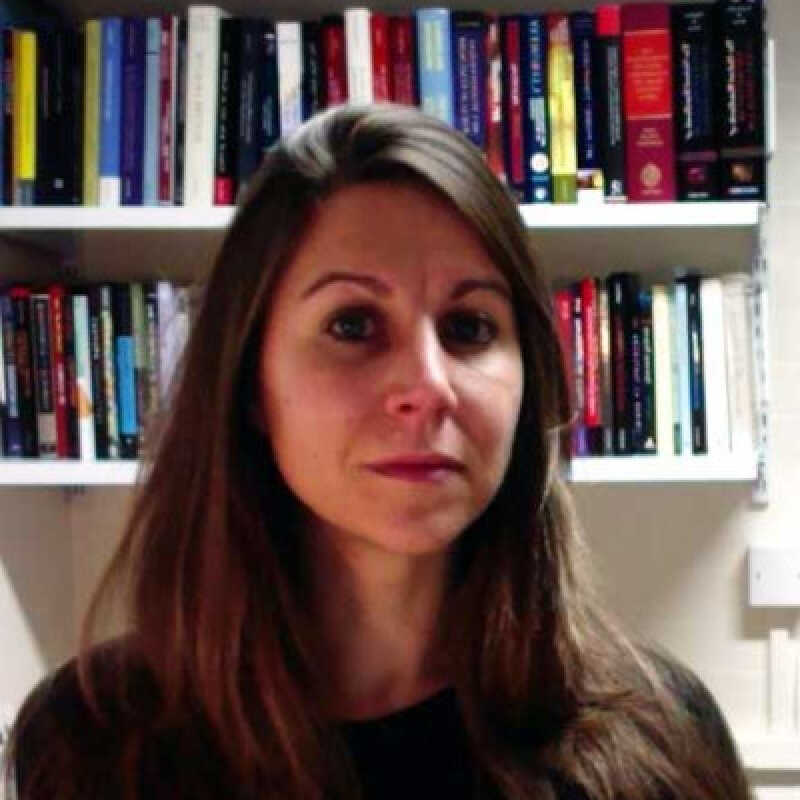
Dr. Sara Kendall is a Reader in International Law at the University of Kent’s Kent Law School, where she also serves as LLM Pathway Director for Public International Law and Co-Director of the Centre for Critical International Law. She holds research affiliations with the University of California’s Promise Institute for Human Rights and Vrije University Amsterdam’s Centre for the Politics of Transnational Law. Her research focuses on legal responses to violence, including international crimes and armed conflict, with a particular emphasis on international criminal and humanitarian law. She is currently on Leverhulme Trust-funded research leave to work on 'Humanitarian Complicity in the Global Legal Order' and collaborates on an NSF-funded project exploring geospatial technologies in human rights investigations.
Dr. Kendall earned her interdisciplinary doctorate from the University of California, Berkeley, specializing in international law, jurisprudence, and political theory. Her work includes studies on the Special Court for Sierra Leone, the International Criminal Court’s interventions in Kenya and Uganda, and socio-legal approaches to transitional justice. She teaches International Humanitarian Law, Human Rights Law, and International Criminal Law at both undergraduate and postgraduate levels.
Her publications span journals like the American Journal of International Law and Leiden Journal of International Law, addressing topics such as targeted killing, territorial sovereignty, and legal complicity. She co-edited Contested Justice: The Politics and Practice of International Criminal Court Interventions (Cambridge, 2015) and leads the AHRC-funded 'Legal Materiality Network.' Awards include a Leverhulme Trust Research Fellowship (2020–2021).
Dr. Kendall’s grants include NSF funding for geospatial technologies research and co-investigator roles in AHRC projects. She serves on editorial boards for London Review of International Law, Leiden Journal of International Law, and Humanity. Her research bridges legal theory, critical studies, and global governance, emphasizing the material and discursive dimensions of law’s role in conflict and justice.