معرفی
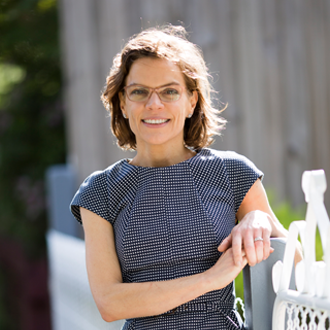
Associate Professor Sara Baratchi heads the Mechanobiology and Microfluidics Laboratory at the Baker Heart and Diabetes Institute and co-leads the Heart Attack Research Program. She holds academic appointments as a supervisor at RMIT University and the University of Melbourne, and is the Alice Baker and Eleanor Shaw Gender Equity Fellow. Her interdisciplinary work bridges engineering, immunology, and clinical science to address cardiovascular pathologies through innovative bioengineering approaches.
Dr. Baratchi's research centers on mechanotransduction in vascular and immune cells, particularly how hemodynamic forces and extracellular matrix stiffness regulate cellular behavior in diseases like atherosclerosis and calcific aortic valve disease. She pioneers organ-on-a-chip platforms that replicate human vascular systems under pathological conditions, integrating microfluidics, single-cell omics, and patient-derived samples to develop ethical alternatives to animal testing and identify novel therapeutic targets.
Her recent publications demonstrate a cohesive research trajectory focused on Piezo1-mediated mechanosensing, microfluidic device innovation, and the pathophysiological impact of altered hemodynamics. Key themes include endothelial cell responses to shear stress, substrate stiffness effects on vascular cells, and the development of dynamic flow systems for cardiovascular modeling, all aimed at translating mechanobiological insights into clinical interventions.
Dr. Baratchi has received significant recognition including:
- Australian Vascular Biology Society Achievement and Career Development Award (2023)
- Alice Baker and Eleanor Shaw Gender Equity Fellowship (2023)
- ARC Discovery Early Career Researcher Award (2017-2020)
- Best Basic Research Award at Baker Institute (2020)
- RMIT University Established Researcher Award (2022)
She has secured over $2.5 million in competitive funding from ARC and NHMRC, mentoring 20+ PhD researchers who now lead in academia and industry. As President Elect of the Australian Society for Mechanobiology and committee member for MicroTAS 2024-2025, she actively shapes the field through leadership and international collaboration.
Her laboratory develops cutting-edge microfluidic platforms adopted globally, collaborating with institutions across 11+ disciplines. Current work focuses on dissecting how matrix stiffness and hemodynamic alterations in cardiovascular conditions drive pathological cellular crosstalk, aiming to establish foundational knowledge for non-invasive disease-modifying therapies.