معرفی
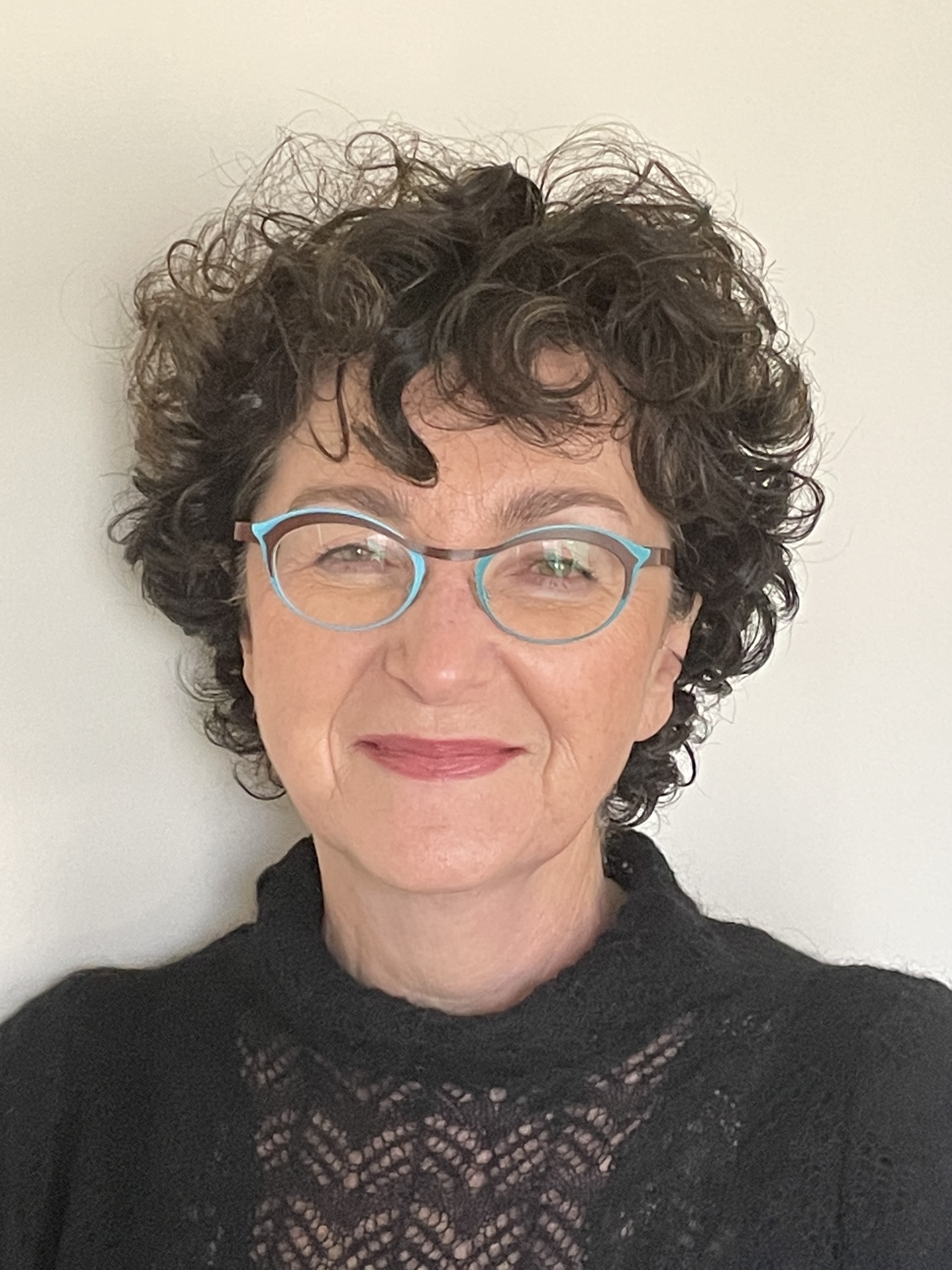
Professor Sandra Hale is a distinguished academic at the University of New South Wales (UNSW), serving in the School of Humanities & Languages within the Faculty of Arts, Design & Architecture. As a pioneer in legal interpreting research, she has established herself as a world leader in forensic linguistics and court interpreting studies.
Her educational background is impressive, including a Bachelor of Arts (Interpreting & Translation), NAATI Spanish interpreter/translator & Conference interpreter certification, Diploma of Education (Italian & Spanish), Master of Applied Linguistics, PhD in Court interpreting/forensic linguistics (the first of its kind in Australia, awarded in 2001), and a Doctorate Honoris Causa in Interpreting and Translation Studies from the University of Antwerp.
Hale's research has fundamentally shaped our understanding of legal interpreting, with particular focus on quality, accuracy, codes of ethics, role expectations, and the impact of interpreters on legal proceedings. She was among the first researchers globally to conduct large data-based studies of court interpreted proceedings, developing innovative research methods that have been widely adopted. Her work bridges interpreting studies, forensic linguistics, cognitive psychology, and legal studies, examining how interpreters affect judicial outcomes through micro-analysis of courtroom discourse and experimental studies. Recent publications demonstrate continued innovation in studying interpreter performance across various settings including police interviews, courtrooms, and legal consultations, with particular attention to interpreter mode, location, and working conditions.
Her scholarly contributions have been recognized through numerous prestigious awards including the Andrea Durbach Award for Human Rights Scholarship, election as Fellow of the Australian Academy of the Humanities, multiple Dean's Awards for teaching and research impact, and a Doctor Honoris Causa from the University of Antwerp.
Professor Hale actively supervises PhD candidates and has secured substantial research funding through ARC Linkage grants, ARC Discovery grants, FBI grants, and NHMRC grants. Her projects address critical issues in interpreted proceedings, interpreter training methodologies, and communication with culturally and linguistically diverse populations in legal and healthcare settings. She has been instrumental in developing national standards for working with interpreters in courts and tribunals.
Her leadership extends to professional organizations where she serves as Immediate Past President of AUSIT (The Australian Institute of Interpreters and Translators), Fellow of the Australian Academy of the Humanities, Advisory Board Member of Multicultural NSW, and member of the Judicial Council on Cultural Diversity subcommittee on the Recommended National Standards for Working with Interpreters in Courts and Tribunals.