معرفی
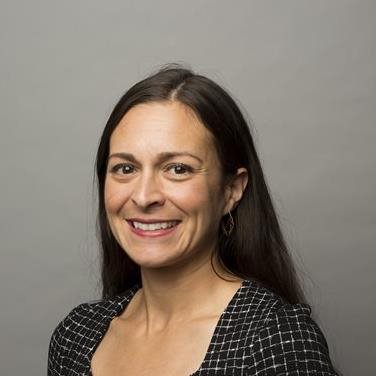
Dr. Rosanna Olsen is an Associate Professor (Status Only) at the University of Toronto and a Scientist at the Rotman Research Institute (RRI), Baycrest. She leads the Olsen Lab, which investigates the neural organization of human memory systems using advanced neuroimaging techniques (fMRI, MEG), eye-tracking, and studies of amnesia patients. Her research focuses on medial temporal lobe function, memory formation across lifespan, eye-movement patterns in memory, thalamo-cortical interactions, and early biomarkers of cognitive decline in aging.
Education:
• PhD in Psychology (Cognitive Neuroscience) from Stanford University
• Postdoctoral fellowship at Rotman Research Institute
Research Focus: The Olsen Lab specializes in: 1) Structural and functional characterization of medial temporal lobe subregions in memory-impaired populations; 2) Neural oscillations and short-delay memory maintenance; 3) Eye-movement patterns as indirect memory measures; 4) Roles of thalamic nuclei in associative memory; 5) Promoting diversity in neuroscience. Methodologies include high-resolution MRI, fMRI, MEG, and behavioral paradigms.
Article Trends: Recent publications (2020-2024) predominantly explore hippocampal subfield volumetry, aging-related memory decline, eye-movement patterns, thalamic contributions to memory, and inclusive academic practices. Over 70% involve neuroimaging analyses, with consistent focus on preclinical Alzheimer's biomarkers and hormonal influences on cognition.
Advising: Actively mentors graduate students (Psychology, University of Toronto) and oversees postdoctoral fellows. Current trainees include 4 PhD candidates and 2 postdocs researching thalamic memory pathways, oscillatory dynamics, and visual discrimination in aging. The lab employs 5 research assistants.
Lab & Collaborations: Directs the Olsen Lab at Baycrest with 11 active members. Collaborates with Drs. Jennifer Ryan (Baycrest), Brad Buchsbaum (Baycrest/UofT), Morris Moscovitch (UofT), and international consortia including the Hippocampal Subfields Group. Research has been featured in Science Daily and Neuroscience News.