معرفی
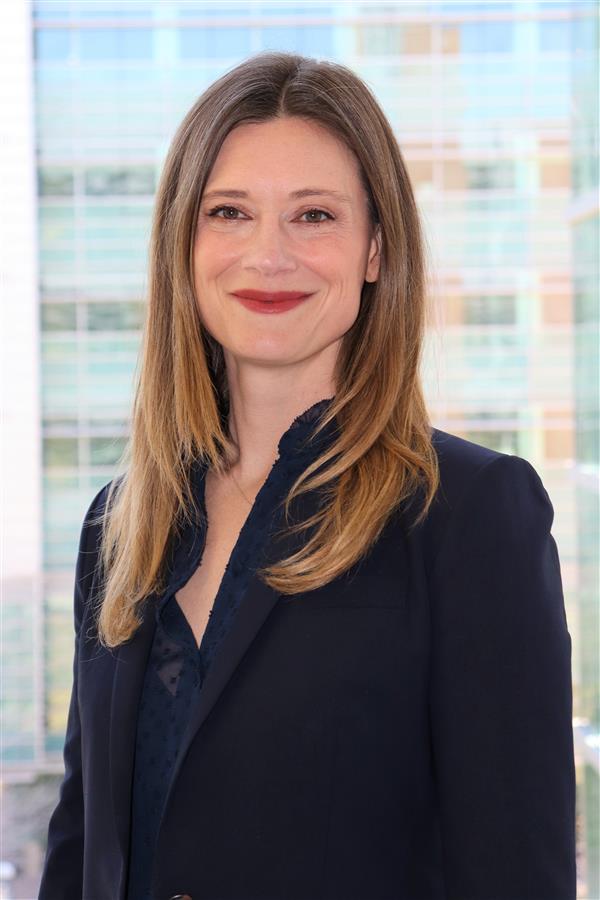
Rosalind Sadleir serves as Associate Professor in Arizona State University's School of Biological and Health Systems Engineering, with additional appointments in the School of Medicine and Advanced Medical Engineering and School of Life Sciences Interdisciplinary Graduate faculty. Her work bridges theoretical modeling and practical device development for neural applications.
Her educational background includes:
- Ph.D. from University of Western Australia
- B.Sc. in Physics (Honors) from University of Western Australia
Dr. Sadleir's research centers on neural engineering through electrical methods, with three primary initiatives: developing brain stimulation therapies, creating neural activity detection systems, and investigating perinatal brain injury mechanisms in premature infants. Her laboratory approaches span conceptual modeling to commercial device prototyping, emphasizing clinical translation of bioelectrical principles.
Publication analysis reveals consistent focus on electrical impedance techniques since 2012, with evolving applications from electrode design to cancer detection and neonatal monitoring. Her work demonstrates increasing clinical integration, particularly through NIH-funded projects addressing therapeutic current imaging and brain stimulation.
Research funding includes:
- In vivo imaging of therapeutic electric current flow (HHS-NIH-NINDS, 2014-2016)
- Direct Functional Imaging of Electrical Brain Stimulation (HHS-NIH-NINDS, 2014-2018)
- Detection and Quantification of Neonatal Intraventricular Hemorrhage (EGI, 2013-2016)
She mentors students through honors thesis courses (BME 493) and directed studies (BME 492), while teaching core numerical methods (BME 301) and special topics courses through 2025.
The Neuro-electricity Laboratory maintains active collaboration with medical imaging specialists and clinicians, focusing on translating electrical property measurements into diagnostic and therapeutic tools for neurological conditions.