معرفی
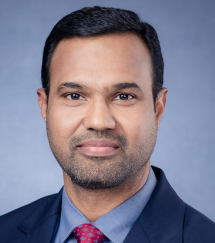
Rondeep Brar serves as Clinical Professor of Medicine in the Hematology division at Stanford University School of Medicine and holds the significant administrative role of Ann and John Doerr Medical Director of the Stanford Cancer Center (2023-Present) and Associate Director for Clinical Care at the Stanford Cancer Institute. His clinical practice encompasses the full spectrum of hematologic disorders including anemia, clotting/bleeding disorders, low blood counts, and complex malignancies such as leukemia, myelodysplastic syndrome, myeloma, and lymphoma.
His educational background includes:
- Medical Education: UCLA David Geffen School of Medicine (2007)
- Residency: Stanford University Internal Medicine Residency (2010)
- Fellowship: Stanford University Hematology and Oncology Fellowship (2012)
Dr. Brar maintains board certifications from the American Board of Internal Medicine in Internal Medicine (2023), Medical Oncology (2013), and Hematology (2013). His research program demonstrates a strong interdisciplinary focus bridging hematology, oncology, and computational medicine, with particular emphasis on applying machine learning to diagnostic challenges in hematologic malignancies. His recent publications reveal growing expertise in predictive modeling for next-generation sequencing tests and investigations into rare hematologic conditions including cyclic thrombocytopenia and hemoglobinopathies.
His scientific contributions show a clear trajectory toward integrating advanced computational approaches with clinical hematology practice, particularly through development of the Heme-STAMP (Stanford Actionable Mutation Panel for Hematopoietic and Lymphoid Malignancies) testing platform. This work aims to optimize diagnostic testing selection through machine learning prediction of actionable mutation findings.
Dr. Brar's clinical leadership at the Stanford Cancer Center involves coordinating innovative research alongside high-quality, compassionate patient care. He emphasizes efficient clinic operations while maintaining the complex care standards expected of a tertiary academic institution. His administrative responsibilities as Medical Director position him at the forefront of cancer care delivery innovation at Stanford.