معرفی
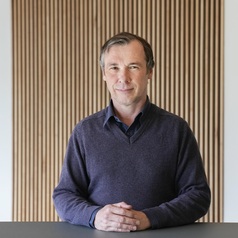
Richard Newton is a Lecturer in Aquaculture at the University of Stirling, specializing in resilient food systems and sustainable aquaculture practices. Previously serving as a Research Fellow in Aquaculture at the same institution, he has established himself as an expert in resource efficiency within seafood production systems.
Dr. Newton completed his PhD at the University of Stirling in 2014, focusing on reducing waste and improving efficiency in aquaculture systems. His research centers on adding value to processing by-products, improving resource utilization, and comparing approaches using Life Cycle Assessment and other sustainability metrics through a One Health framework.
His research interests prominently feature sustainable aquaculture systems, with particular emphasis on marine ingredient usage in fish feed, omega-3 retention in farmed salmon, and the development of novel sustainability metrics. Newton has pioneered the nutrient Fish In Fish Out (nFifo) metric, which tracks omega-3 nutrients from wild fish capture through to final consumer products, offering a more comprehensive assessment of nutritional sustainability than traditional metrics.
His recent publications demonstrate a clear trajectory toward developing practical solutions for the seafood industry's sustainability challenges. The articles show increasing focus on circular economy approaches, with particular attention to utilizing seafood byproducts to maintain nutritional quality while reducing pressure on wild fish stocks. His work bridges scientific research with practical industry applications, addressing both environmental concerns and nutritional quality.
Richard Newton serves as Chair of the Climate Action Committee for Best Aquaculture Practice and is a member of the Stakeholder Advisory Group for Seafood Watch. His research has received funding from the International Fishmeal Fishoil Organisation to map supplies of underutilized by-product resources, demonstrating his commitment to translating research into actionable industry practices.
His work with research teams at the University of Stirling focuses on developing more efficient resource utilization in aquaculture, particularly examining how to maintain nutritional quality in farmed seafood while minimizing environmental impacts. The research group collaborates with certification bodies like the Aquaculture Stewardship Council to develop more comprehensive sustainability metrics that consider both environmental and nutritional factors.