معرفی
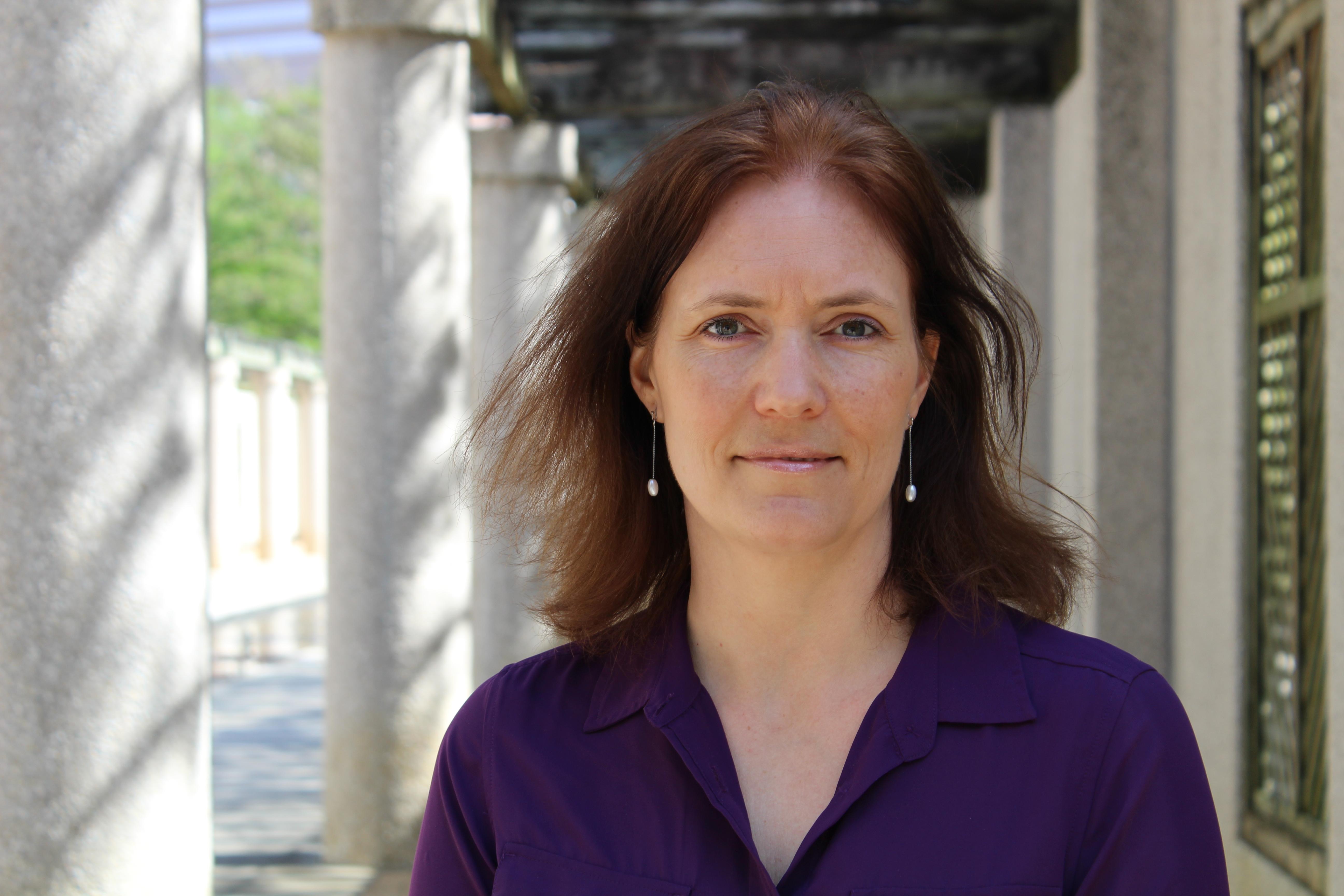
Dr. Rachel Hazan is a Professor in the Department of Pathology at the Albert Einstein College of Medicine. Her research focuses on the molecular mechanisms underlying breast cancer metastasis, particularly the interplay between cell-cell adhesion proteins (e.g., N-cadherin, R-cadherin), receptor tyrosine kinases (e.g., FGFR), and redox signaling pathways (e.g., GPx2). Her lab investigates how these pathways drive epithelial-to-mesenchymal transitions (EMT), cancer stem cell formation, and metastatic spread.
Research Highlights:
- Discovered that N-cadherin/FGFR signaling promotes EMT and metastasis viaSlug upregulation and Akt3 suppression.
- Identified GPx2 as a critical redox regulator suppressing metastasis by modulating hypoxia and metabolic reprogramming.
- Elucidated TCF1's role in activating FOXC2-p63 axis to drive partial EMT and stemness in basal-like breast cancer.
Laboratory Team:
- Kimita Suyama, PhD (Senior Research Associate)
- Outhiriaradjou Benard, PhD
- Huizhi Liang, PhD (Post-doctoral Fellow)
- Viney Kumar, PhD (Post-doctoral Fellow)
Key Findings: Uses single-cell RNA sequencing to uncover metastasis mechanisms, revealing novel therapeutic targets such as Akt3 isoforms and Wnt/TCF1 signaling pathways. Current work explores redox signaling's role in phenotypic/metabolic reprogramming of breast cancer cells.