معرفی
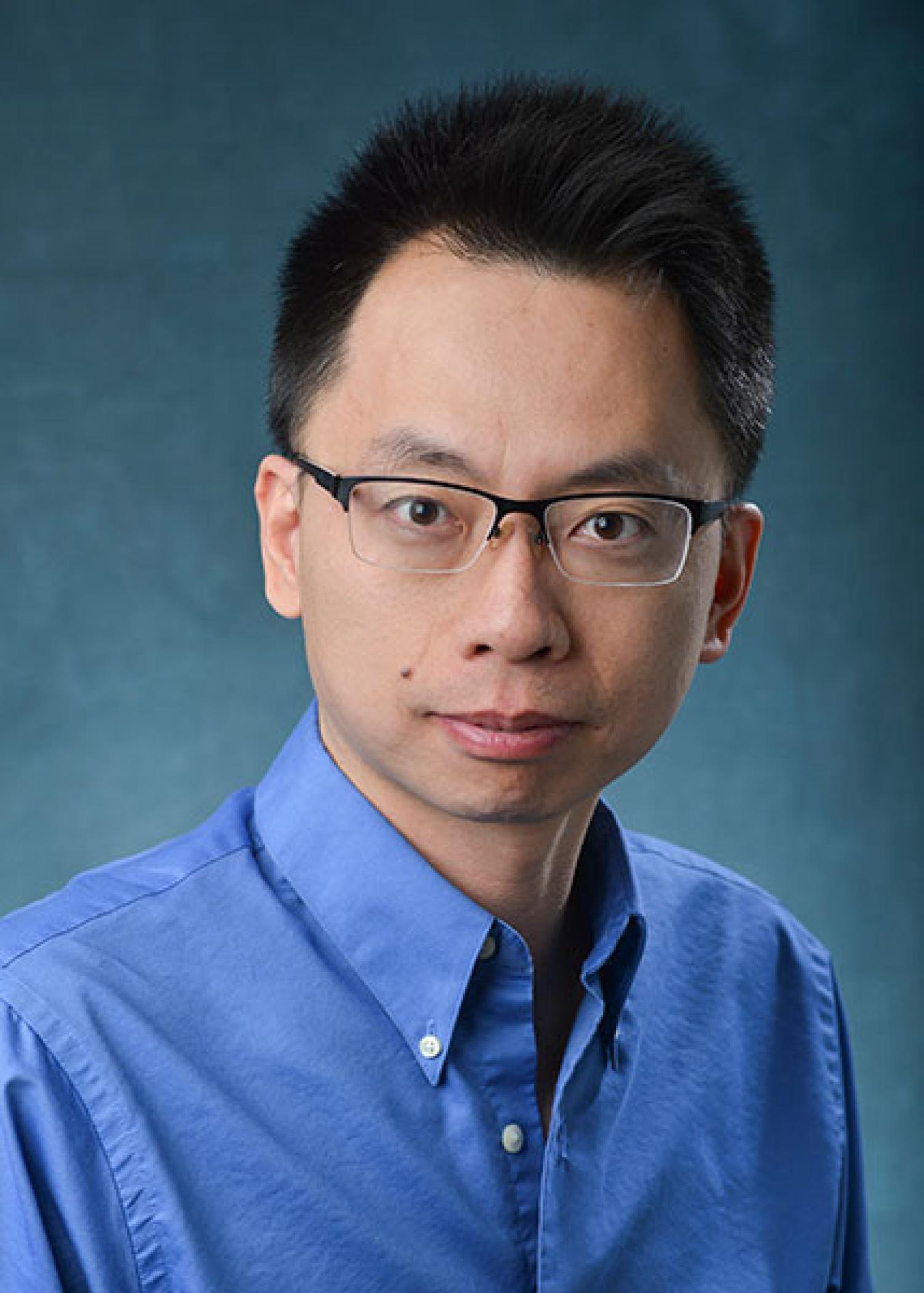
Qiu Wang is a Professor of Chemistry at Duke University, where he leads an active research program at the chemistry-biology interface. He holds dual appointments as a Member of the Duke Cancer Institute and Faculty Network Member of the Duke Institute for Brain Sciences, reflecting his interdisciplinary work targeting cancer and neurodegenerative disorders through chemical approaches.
His educational foundation includes a B.S. from Wuhan University (China, 1999), Ph.D. from Emory University (2005), and dual postdoctoral fellowships at Harvard University (2005-2007 and 2007-2011) in Chemistry. This rigorous training established his expertise in synthetic methodology and biological applications.
Wang's research program focuses on three synergistic pillars: developing bioactive small-molecule probes for disease mechanisms, targeting epigenetic enzymes for novel therapeutics, and creating chemical tools for biomolecule labeling. His group integrates synthetic organic chemistry with molecular/cell biology, genetics, and proteomics to address challenges in cancer and neurodegeneration, emphasizing copper-catalyzed reactions and hyperpolarized imaging technologies.
Analysis of his recent publications reveals dominant themes in copper-catalyzed alkene/diene difunctionalization for complex molecule synthesis and the development of $^{15}$N-hyperpolarized MRI probes for metabolic imaging. These works bridge fundamental methodology with biological applications, particularly in cancer metabolism and neurological disorders.
His scientific recognition includes:
- Sloan Research Fellowship (2016)
- NSF CAREER Award (2015)
Wang directs multiple major grants including the Pharmacological Sciences Training Program (2025-2030), New Amination Methods (2025-2030), and hyperpolarized MRI agent development (2025-2027). His Wang Group collaborates extensively across Duke's institutes, developing chemical probes that enable new biological insights and therapeutic strategies for challenging diseases.