معرفی
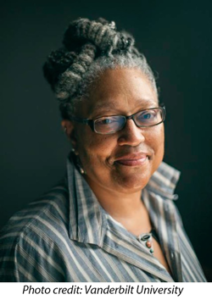
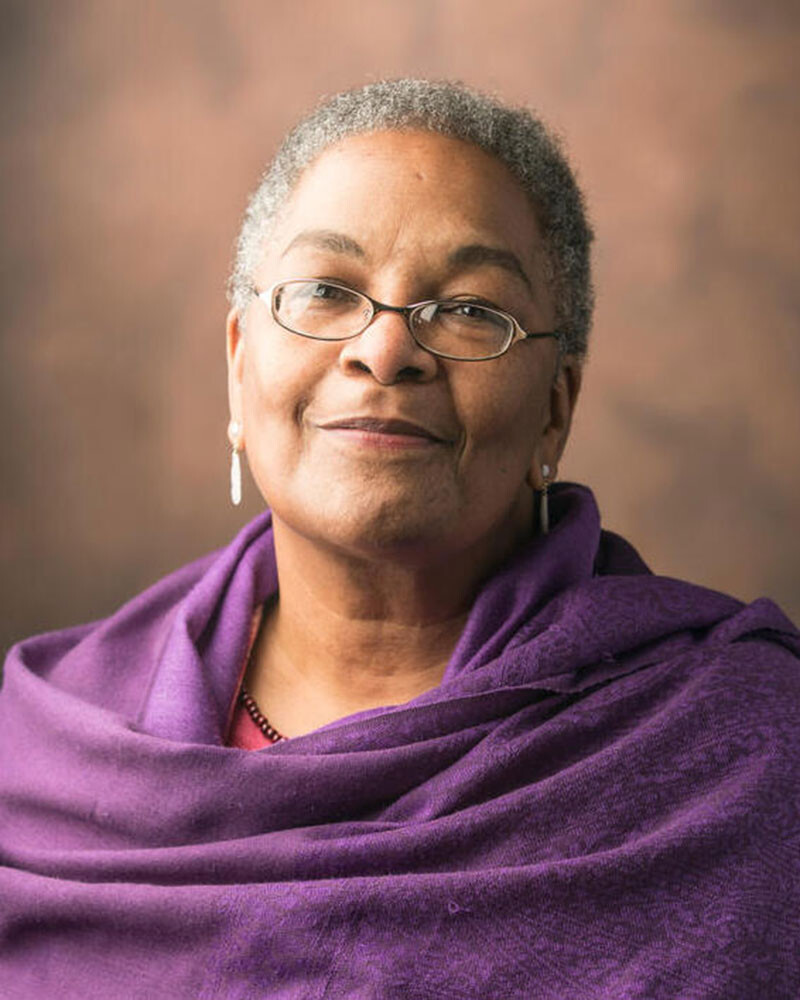
Dr. Phillis Isabella Sheppard is the E. Rhodes and Leona B. Carpenter Professor of Religion, Psychology, and Culture at Vanderbilt University Divinity School and the Graduate Department of Religion. She is the inaugural Executive Director of the James Lawson Institute for the Research and Study of Nonviolent Movements and the first African American woman promoted to full professor at the Divinity School.
- Ph.D., Theology, Ethics, and the Human Sciences – Chicago Theological Seminary
- M.A., Theology – Colgate Rochester Divinity School
- B.A., Political Science – Edinboro University of Pennsylvania
Dr. Sheppard is a womanist practical theologian and psychoanalyst whose research explores the interplay between interiority, culture, and religious experience, particularly among Black women. Her work integrates theology, psychology, and ethnography to examine race, gender, sexuality, embodiment, and ritual. She emphasizes narrative and interdisciplinary reflection as central to understanding lived religion.
Her recent publications reflect a sustained focus on womanist theology, pastoral care, and the spiritual dimensions of activism. Themes include healing practices, psychodynamic spirituality, racialized bodies, and decolonizing pedagogy. Her scholarship consistently centers Black women’s voices and advances womanist ethnographic methods.
- Distinguished Educator Award, International Forum for Psychoanalytic Education (2022)
- Randall Mason Research Award
- Louisville Institute Research Grant
Dr. Sheppard founded the Womanist Ethnography Conference and leads "Set a Spell: Womanist Spaces for Integrative Care," offering consultation and facilitation for individuals and organizations. She has advised numerous academic and community initiatives, though specific students are not listed. Her leadership in both research and practice underscores her commitment to transformative education and social change.
She is deeply involved in the James Lawson Institute, where she leads interdisciplinary research on nonviolent movements, merging theological insight with social activism. Her work bridges academic scholarship and community engagement, creating spaces for healing, dialogue, and justice-oriented transformation.