معرفی
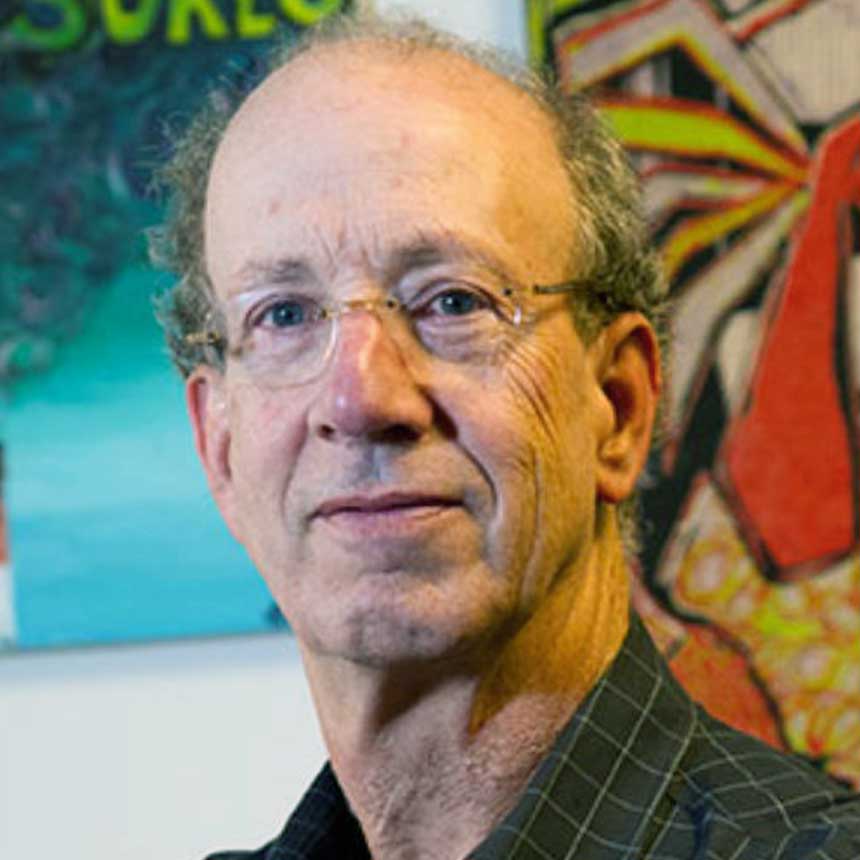
Phil Brown is University Distinguished Professor of Sociology and Health Sciences at Northeastern University, where he directs the Social Science Environmental Health Research Institute (SSEHRI). He also leads the NIEHS T-32 training program “Transdisciplinary Training at the Intersection of Environmental Health and Social Science,” and co-directs community engagement and research translation cores for the PROTECT Superfund Research Program and the CRECE Children’s Environmental Health Center. Brown is a member of the National Advisory Environmental Health Sciences Council (NIEHS) and serves on the Executive Committee of Jewish Studies at Northeastern.
Education
- PhD in Sociology, Brandeis University, Waltham, MA
- MA in U.S. Social History, New York University, New York, NY
- BA in History, Long Island University, Brookville, NY
Research Interests
Brown’s scholarship integrates environmental sociology, medical sociology, and science & technology studies to investigate how social movements, community-based research, and policy advocacy shape environmental health. His work on biomonitoring and household exposure has pioneered ethically-driven approaches to reporting back personal chemical exposure data to study participants. A second major strand examines per- and polyfluoroalkyl substances (PFAS), mapping contamination, studying immunotoxicity, and analyzing community activism around “forever chemicals.” Through the Environmental Data and Governance Initiative, he also archives federal environmental data and monitors policy shifts.
Publications Overview
Brown’s recent articles (2011-2023) cluster around three themes: (1) community-centered exposure science, emphasizing ethical report-back and participatory methods; (2) PFAS contamination and activism, combining toxicology, policy analysis, and social movement theory; and (3) digital tools for environmental health communication, including smartphone platforms and data visualization innovations. These works appear in high-impact journals such as Environmental Health Perspectives, Journal of Health and Social Behavior, and Social Science & Medicine.
Scientific Awards
- 2015 Practice and Outreach Award, ASA Environment & Technology Section
- 2012 Leo G. Reeder Award for Distinguished Contribution to Medical Sociology, ASA Medical Sociology Section
- 2006 Fred Buttel Distinguished Contribution to Environmental Sociology Award, ASA Environment & Technology Section
- 1985–1986 Peter Livingston Fellowship, Harvard Medical School
Training, Grants & Community Engagement
Brown directs an NIEHS T-32 training program that prepares doctoral and post-doctoral scholars in transdisciplinary environmental health-social science research. He co-leads community engagement and research translation cores for PROTECT and CRECE, ensuring that findings on preterm birth and childhood exposures inform Puerto Rican communities and policy-makers. He also mentors the SSEHRI Report-Back Lab, collaborating with Silent Spring Institute, UC-Berkeley, UCSF, Harvard, and other partners to develop best-practice protocols for returning biomonitoring data to participants.
Laboratories & Teams
Under Brown’s leadership, the SSEHRI Report-Back Lab conducts biomonitoring and household exposure studies using innovative ethical frameworks. The PFAS Project Lab integrates toxicology, epidemiology, and social science to study PFAS contamination across the U.S. and globally. Both labs involve interdisciplinary teams of graduate students, post-docs, and community partners, and have generated extensive policy-relevant outputs.